Hey there! As a supplier of hose assemblies, I've seen my fair share of issues with these crucial components. Hose assemblies are used in a wide range of industries, from manufacturing and construction to automotive and aerospace. They're responsible for transporting fluids and gases under pressure, so when they fail, it can lead to some serious problems. In this blog post, I'm going to talk about some of the common failures of a hose assembly and what you can do to prevent them.
1. Abrasion
One of the most common issues I come across is abrasion. Hoses often run through tight spaces or come into contact with rough surfaces. Over time, this constant rubbing can wear away the outer layer of the hose, exposing the inner layers. Once the inner layers are exposed, they're more likely to get damaged by the fluid or gas flowing through them, which can lead to leaks.


To prevent abrasion, you can use protective sleeves. These sleeves act as a buffer between the hose and the rough surface, reducing the wear and tear. You can also route the hoses in a way that minimizes contact with sharp or rough edges.
2. Kinking
Kinking is another frequent problem. When a hose gets kinked, it restricts the flow of fluid or gas. This not only affects the performance of the system but can also cause a buildup of pressure, which might lead to the hose bursting.
Kinking usually happens when the hose is bent at an angle that's too sharp. To avoid this, make sure to install the hoses according to the manufacturer's guidelines. They usually specify the minimum bend radius for the hose. Also, use proper clamps and supports to keep the hose in place and prevent it from bending too much.
3. Chemical Compatibility Issues
Not all hoses are created equal when it comes to handling different chemicals. If you use a hose that's not compatible with the fluid or gas it's supposed to carry, it can lead to degradation of the hose material. The hose might start to swell, crack, or become brittle, which will eventually result in a failure.
Before choosing a hose assembly, it's crucial to know exactly what kind of fluid or gas it will be transporting. Check the chemical compatibility chart provided by the hose manufacturer. If you're not sure, you can always reach out to us, and we'll help you select the right hose for your application.
4. Pressure Surges
In some systems, there can be sudden spikes in pressure, known as pressure surges. These surges can be caused by things like sudden valve closures or pump starts and stops. A hose that's not designed to handle these pressure spikes can burst or develop leaks.
To deal with pressure surges, you can use hoses with a higher pressure rating than what's normally required in the system. You can also install pressure relief valves to protect the hose from excessive pressure.
5. Aging and Weathering
Hoses don't last forever. Over time, exposure to heat, cold, sunlight, and moisture can cause the hose material to break down. UV rays from the sun can make the outer layer of the hose brittle, while extreme temperatures can affect the flexibility of the hose.
Regular inspection is key to catching signs of aging and weathering early. If you notice any cracks, discoloration, or softening of the hose, it's probably time to replace it. You can also use hoses that are specifically designed to resist the effects of weather and aging.
6. Improper Fitting Installation
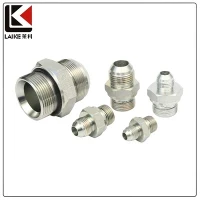
The fittings on a hose assembly are just as important as the hose itself. If the fittings are not installed correctly, it can lead to leaks. This can happen if the fittings are not tightened properly, or if the wrong type of fitting is used for the hose.
When installing fittings, make sure to follow the installation instructions carefully. Use the right tools and torque values. If you're not confident in your ability to install the fittings correctly, it's best to have a professional do it for you.
7. Contamination
Contamination inside the hose can also cause problems. Particles or debris can get into the hose and cause blockages or damage the inner lining. This can happen during installation, if the hose is not properly cleaned before use, or if the fluid or gas being transported is dirty.
To prevent contamination, make sure to keep the hoses clean during installation. Use filters in the system to remove any particles from the fluid or gas. Also, regularly flush the hoses to keep them free of debris.
How We Can Help
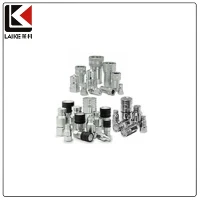
As a hose assembly supplier, we've got the expertise and the products to help you avoid these common failures. We offer a wide range of Hydraulic Hose Assembly and Pneumatic Quick Coupling options that are designed to meet the highest standards of quality and performance.
Our team of experts can help you select the right hose assembly for your specific application. We'll take into account factors like the type of fluid or gas, the pressure requirements, and the environmental conditions. We can also provide installation and maintenance advice to ensure that your hose assemblies last as long as possible.
If you're facing any issues with your current hose assemblies or if you're in the market for new ones, don't hesitate to get in touch with us. We're here to help you find the best solutions for your needs. Whether you're a small business or a large corporation, we've got the products and services to keep your operations running smoothly.
References
- Industry standards and guidelines for hose assemblies
- Manufacturer's documentation for hose and fitting products
- Technical papers on fluid and gas transportation systems