What is the lifespan of a BRITISH Adapter under normal use?
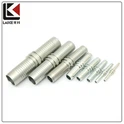
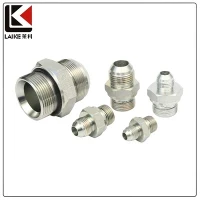
As a supplier of BRITISH Adapters, I often get asked about the lifespan of these essential components under normal use. Understanding the expected lifespan of a BRITISH Adapter is crucial for both our customers and us as a supplier, as it helps in planning maintenance, replacement, and overall cost - effectiveness.
Factors Affecting the Lifespan of BRITISH Adapters
-
Material Quality
The quality of the materials used in manufacturing BRITISH Adapters plays a significant role in determining their lifespan. High - grade metals such as brass, stainless steel, or aluminum are commonly used. Brass, for example, is known for its corrosion resistance and good mechanical properties. Stainless steel offers even higher resistance to corrosion, making it suitable for harsh environments. Adapters made from high - quality materials are more likely to withstand wear and tear over an extended period. -
Usage Conditions
Normal use can vary greatly depending on the specific application. In a clean, dry, and low - stress environment, a BRITISH Adapter can last much longer compared to a situation where it is exposed to high temperatures, high pressures, chemicals, or abrasive substances. For instance, in a hydraulic system, if the fluid contains contaminants, it can cause accelerated wear on the adapter's internal surfaces. Similarly, in an industrial setting with high - vibration machinery, the adapter may experience more stress, potentially reducing its lifespan. -
Installation and Maintenance
Proper installation is essential for the long - term performance of a BRITISH Adapter. Incorrect installation, such as over - tightening or under - tightening, can lead to leaks or premature failure. Regular maintenance, including inspection for signs of wear, corrosion, or damage, is also crucial. Simple tasks like cleaning the adapter and checking for loose connections can significantly extend its lifespan.
Typical Lifespan Estimates
Under ideal conditions, which include a clean environment, proper installation, and regular maintenance, a well - made BRITISH Adapter can last anywhere from 5 to 10 years. However, in more demanding industrial applications, the lifespan may be reduced to 2 - 5 years.
In applications where the adapter is exposed to severe conditions, such as high - pressure hydraulic systems or chemical processing plants, the lifespan could be even shorter, perhaps 1 - 2 years. It's important to note that these are just estimates, and the actual lifespan can vary based on the factors mentioned above.
Comparison with Other Types of Adapters
When comparing BRITISH Adapters with other types of adapters like Jis Fittings, Tube Fitting, and NPT Adapters, their lifespans can be relatively similar under comparable conditions. However, each type has its own unique design and material characteristics that can influence its durability.
Jis Fittings are often used in Japanese - made equipment and are known for their precision manufacturing. They can have a good lifespan, especially in systems where they are installed correctly and the operating conditions are within their design specifications. Tube Fittings, on the other hand, are designed to connect tubes in various applications. Their lifespan can depend on the type of tube material and the pressure and temperature conditions they are exposed to. NPT Adapters, which are commonly used in North American plumbing and industrial applications, have their own set of standards and performance characteristics. The lifespan of NPT Adapters can also be affected by factors such as the quality of the sealant used during installation and the type of fluid flowing through the system.
Extending the Lifespan of BRITISH Adapters
-
Proper Selection
Choosing the right BRITISH Adapter for the specific application is the first step in ensuring a long lifespan. Consider factors such as the operating pressure, temperature, and the type of fluid or gas that will pass through the adapter. Select an adapter made from a material that is compatible with the application environment.

-
Correct Installation
Follow the manufacturer's installation instructions carefully. Use the appropriate tools and ensure that the adapter is tightened to the recommended torque. This will prevent leaks and reduce the risk of damage due to improper stress distribution. -
Regular Maintenance
Establish a regular maintenance schedule for the BRITISH Adapters. Inspect them for signs of wear, corrosion, or damage. Replace any seals or gaskets as needed. Keep the adapters clean and free from debris to prevent blockages and premature wear.
Importance of Lifespan in the Supply Chain
As a supplier of BRITISH Adapters, understanding the lifespan of these products is vital for our business and our customers. It allows us to provide accurate information to our customers, helping them make informed decisions about their purchasing and maintenance plans. For customers, knowing the expected lifespan of an adapter helps in budgeting for replacements and avoiding unexpected downtime due to adapter failure.
In the supply chain, having a reliable estimate of the adapter's lifespan also enables better inventory management. We can ensure that we have an appropriate stock of adapters based on the expected replacement rate, reducing the lead time for our customers and improving overall efficiency.
Invitation to Contact for Purchase and Consultation
If you are in the market for high - quality BRITISH Adapters and would like to know more about their lifespan, usage, or any other related information, we are here to help. We have a team of experts who can assist you in selecting the right adapter for your specific application. Whether you are involved in a small - scale project or a large - scale industrial operation, we can provide you with the best solutions. Contact us today to start a discussion about your adapter needs, and let's work together to ensure the long - term success of your projects.
References
- "Handbook of Hydraulic Engineering" by ASCE
- "Industrial Adapter Standards and Best Practices" by an industry - specific research group