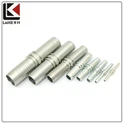
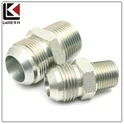
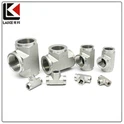
As a dedicated supplier of NPTF Adapters, I've witnessed firsthand the critical role these components play in various industries. NPTF (National Pipe Taper Fuel) Adapters are designed to provide a reliable, leak - free connection in fluid systems. In this blog, I'll delve into the different thread types of NPTF Adapters, exploring their characteristics, applications, and why they matter.
1. NPTF Thread Basics
NPTF threads are a type of tapered pipe thread. The taper is 1/16 (3/4 inch per foot), which means that the diameter of the thread decreases as it moves along the length of the pipe. This taper is essential as it allows for a tight seal when the male and female threads are engaged. The threads are designed to create a metal - to - metal seal, which is crucial for applications where leakage can be a significant issue, such as in fuel systems.
The NPTF thread profile is a 60 - degree V - shaped thread. The thread form has specific dimensions for the pitch (the distance between adjacent threads), the major diameter (the largest diameter of the thread), and the minor diameter (the smallest diameter of the thread). These precise dimensions ensure compatibility between different NPTF components.
2. Dryseal NPTF Threads
One of the most common types of NPTF Adapters uses dryseal threads. Dryseal NPTF threads are designed to create a seal without the need for additional sealing compounds in many applications. This is a significant advantage as it simplifies the installation process and reduces the risk of contamination from sealants.
The dryseal feature is achieved through precise manufacturing processes. The threads are machined to very tight tolerances, which allows for a close fit between the male and female threads. When the threads are tightened, the metal - to - metal contact creates a seal that can withstand high pressures and prevent leakage.
Dryseal NPTF Adapters are widely used in industries such as automotive, aerospace, and plumbing. In automotive applications, they are used in fuel lines and hydraulic systems. In aerospace, they are crucial for ensuring the integrity of fluid systems in aircraft. And in plumbing, they provide a reliable connection for water and gas lines.
3. NPTF vs. NPT Threads
It's important to distinguish between NPTF and NPT (National Pipe Taper) threads. While both are tapered pipe threads, NPTF threads are designed for a better seal. NPT threads typically require a sealing compound, such as Teflon tape or pipe dope, to prevent leakage. This is because the tolerances of NPT threads are looser compared to NPTF threads.
NPTF Adapters are a better choice when a reliable, long - term seal is required without the need for additional sealing materials. For example, in high - pressure applications or applications where the presence of sealant could cause problems (such as in some chemical or food - grade systems), NPTF threads are preferred. You can learn more about general NPT Adapters on our website.
4. Different Sizes of NPTF Threads
NPTF Adapters come in a variety of sizes to meet different application requirements. The sizes are typically specified by the nominal pipe size (NPS), which is a standard designation used in the pipe industry. Common sizes range from 1/8 inch to 2 inches or even larger in some industrial applications.
The choice of size depends on several factors, including the flow rate of the fluid, the pressure of the system, and the size of the connecting pipes or components. For example, in a small - scale hydraulic system, a 1/4 - inch NPTF Adapter may be sufficient. However, in a large - scale industrial pipeline, a 2 - inch NPTF Adapter may be required.
5. Applications in Hydraulic Systems
NPTF Adapters are widely used in hydraulic systems. Hydraulic systems rely on the transfer of fluid under pressure to perform work, and a leak - free connection is essential for their proper operation. NPTF Adapters provide a reliable connection between hydraulic hoses, pipes, and other components.
In hydraulic systems, NPTF Adapters are used in various applications, such as connecting pumps to cylinders, valves to pipes, and reservoirs to the main system. They can withstand the high pressures typically found in hydraulic systems and ensure that the fluid is transferred efficiently without leakage. You can explore more about Hydraulic Fitting Adapters on our website.
6. Compatibility with Other Components
Another important aspect of NPTF Adapters is their compatibility with other components in a system. NPTF threads are designed to be compatible with other NPTF - threaded components, ensuring a proper fit and seal. However, it's also important to consider the compatibility with non - NPTF components.
In some cases, adapters may be required to connect NPTF components to components with different thread types. For example, an NPTF - to - BSP (British Standard Pipe) adapter may be needed to connect a component with NPTF threads to a component with BSP threads. These adapters are designed to provide a reliable connection between different thread types while maintaining the integrity of the seal.
7. Use in Sealing Applications
NPTF Adapters are also commonly used in sealing applications. In addition to their use in fluid systems, they are used to seal openings in containers, pipes, and other equipment. For example, Hydraulic Plugs and Caps with NPTF threads are used to seal the ends of hydraulic pipes when they are not in use, preventing dirt, debris, and moisture from entering the system.
8. Quality and Manufacturing Standards
As a supplier of NPTF Adapters, we adhere to strict quality and manufacturing standards. The production of NPTF Adapters involves precision machining processes to ensure that the threads meet the required dimensions and tolerances. Quality control measures are in place at every stage of the manufacturing process, from raw material inspection to final product testing.
We use high - quality materials, such as stainless steel, brass, and carbon steel, depending on the application requirements. These materials are chosen for their strength, corrosion resistance, and durability. Our NPTF Adapters are also tested for pressure resistance, leak tightness, and thread integrity to ensure that they meet or exceed industry standards.
9. Importance of Choosing the Right Thread Type
Choosing the right thread type for your NPTF Adapters is crucial. Using the wrong thread type can lead to leakage, system failure, and safety hazards. It's important to consider factors such as the application, the fluid being transferred, the pressure of the system, and the compatibility with other components.
If you're unsure which thread type is right for your application, our team of experts is available to provide guidance. We can help you select the appropriate NPTF Adapter based on your specific requirements and ensure that you get a product that meets your needs.
10. Contact Us for Your NPTF Adapter Needs
Whether you're in the automotive, aerospace, plumbing, or any other industry that requires reliable fluid connections, we're here to help. Our wide range of NPTF Adapters offers solutions for various applications. We pride ourselves on providing high - quality products, excellent customer service, and competitive prices.
If you're interested in purchasing NPTF Adapters or have any questions about our products, please don't hesitate to contact us. We look forward to discussing your requirements and helping you find the perfect NPTF Adapter for your project.


References
- ASME B1.20.3 - Standard for NPTF (Dryseal) Pipe Threads
- Hydraulic Institute Standards for Fluid Power Systems
- Pipe Fitting Handbook for Industrial Applications