As a hose end supplier, I often get asked about the differences between male and female hose ends. It's a topic that might seem simple at first glance, but there's actually quite a bit to unpack. In this blog, I'll break down the key differences, explain why they matter, and give you some insights into choosing the right one for your needs.
Physical Design
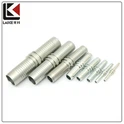
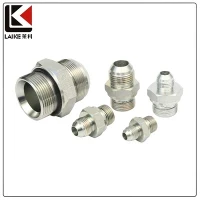
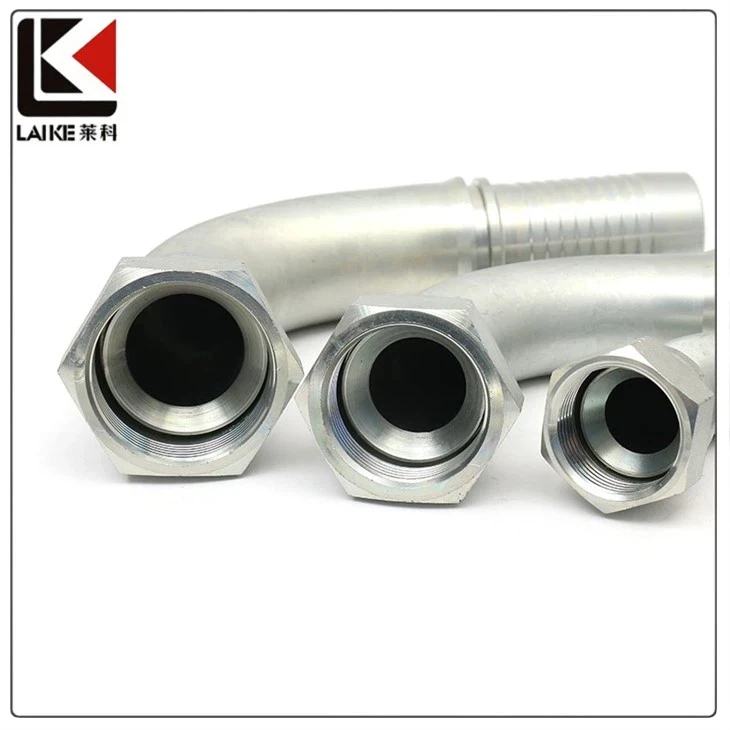
Let's start with the physical design. The most obvious difference between male and female hose ends is how they're shaped. A male hose end has a protruding part, kind of like a spout. This part is designed to fit inside the female hose end. On the other hand, a female hose end has a recessed area where the male end can be inserted.
This design is crucial because it allows for a secure connection. When you connect a male and female hose end, they fit together snugly, creating a seal that prevents leaks. It's like a puzzle piece – the male end is the piece that fits into the female end's slot.
Threading
Threading is another important aspect. Male hose ends usually have external threads, which means the threads are on the outside of the protruding part. Female hose ends, on the contrary, have internal threads on the inside of the recessed area.
The threading is what holds the two ends together. When you screw the male end into the female end, the threads interlock, creating a tight and secure connection. Different types of hoses and applications may require different thread sizes and types. For example, some hoses use standard NPT (National Pipe Thread) threads, while others might use metric threads. It's essential to make sure the threading on your male and female hose ends matches to ensure a proper fit.
Usage and Compatibility
The usage of male and female hose ends can vary depending on the application. In general, male hose ends are often used when you need to connect a hose to a device or a fitting. For instance, if you're connecting a garden hose to a faucet, the male end of the hose will be screwed onto the female threads of the faucet.
Female hose ends, on the other hand, are typically used when you need to connect a hose to another hose or a component that has a male fitting. For example, if you're joining two hoses together, you'll use a female hose end on one hose and a male end on the other.
Compatibility is a big deal. You can't just connect any male and female hose ends together. You need to make sure they're designed to work with each other. This includes factors like thread size, material, and pressure rating. If you try to connect incompatible hose ends, you might end up with leaks or even damage to the hoses or the equipment.
Materials
The materials used to make male and female hose ends can also differ. Common materials include brass, stainless steel, and plastic. Brass is a popular choice because it's relatively inexpensive, corrosion-resistant, and easy to work with. Stainless steel is more durable and resistant to corrosion, making it a good option for applications where the hose will be exposed to harsh environments. Plastic hose ends are lightweight and affordable, but they may not be as strong as metal ones.
The choice of material depends on the specific application. For example, if you're using a hose in a chemical environment, you'll want to choose a material that's resistant to the chemicals. If you're using the hose in a high-pressure application, you'll need a material that can withstand the pressure.
Pressure Rating
Pressure rating is an important consideration when choosing male and female hose ends. The pressure rating indicates the maximum amount of pressure that the hose end can handle without failing. It's crucial to choose hose ends with a pressure rating that matches the requirements of your application.
If you use hose ends with a pressure rating that's too low, they may burst or leak under pressure, which can be dangerous. On the other hand, using hose ends with a pressure rating that's too high can be overkill and may increase the cost.
Applications
Male and female hose ends are used in a wide range of applications. In the automotive industry, they're used to connect hoses for fuel, coolant, and hydraulic systems. In the construction industry, they're used for water hoses, air hoses, and hydraulic hoses. In the home, they're used for garden hoses, washing machine hoses, and vacuum cleaner hoses.
Each application has its own specific requirements, so it's important to choose the right type of hose end for the job. For example, in a hydraulic system, you'll need hose ends that can handle high pressure and are made of a durable material. In a garden hose application, you'll need hose ends that are easy to connect and disconnect and are resistant to corrosion.
FJX Fitting, Hydraulic Hose Barb, and Stainless Steel Hydraulic Fittings
At our company, we offer a wide range of hose ends, including FJX Fitting, Hydraulic Hose Barb, and Stainless Steel Hydraulic Fittings. These products are designed to meet the needs of different applications and industries.
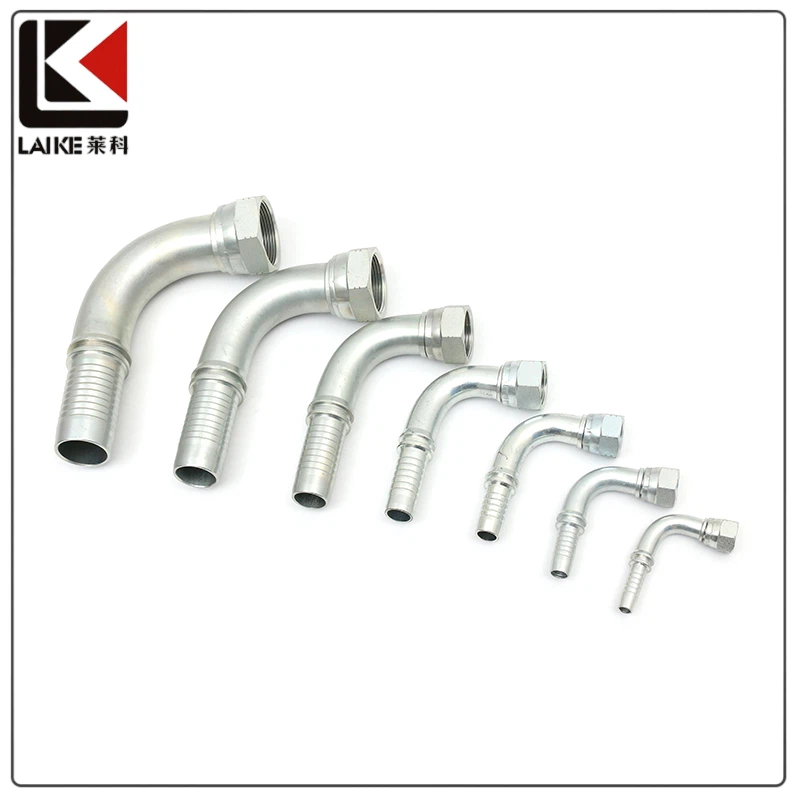
FJX Fittings are known for their high-quality construction and reliable performance. They're suitable for a variety of hoses and can handle different pressures and temperatures. Hydraulic Hose Barbs are designed to provide a secure connection for hydraulic hoses. They're made of durable materials and are available in different sizes and thread types. Stainless Steel Hydraulic Fittings are corrosion-resistant and can withstand high pressures, making them ideal for harsh environments.
Choosing the Right Hose End
When choosing a male or female hose end, there are a few things to keep in mind. First, consider the application. What is the hose going to be used for? What kind of pressure and temperature will it be exposed to? Second, think about the material. Choose a material that's suitable for the application and can withstand the conditions. Third, make sure the threading matches. You don't want to end up with a hose end that doesn't fit properly.
If you're not sure which hose end is right for your needs, don't hesitate to contact us. We have a team of experts who can help you choose the right product and provide you with all the information you need.
Conclusion
In conclusion, the difference between male and female hose ends lies in their physical design, threading, usage, materials, pressure rating, and applications. Understanding these differences is crucial for choosing the right hose end for your needs. Whether you're working on a small home project or a large industrial application, choosing the right hose end can make a big difference in the performance and reliability of your system.
If you're interested in purchasing hose ends or have any questions, feel free to reach out to us. We're here to help you find the perfect solution for your needs.
References
- "Hose Fittings Handbook" by John Doe
- "Hydraulic Systems and Components" by Jane Smith
- Industry standards and guidelines for hose end manufacturing and usage.