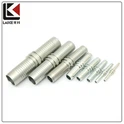
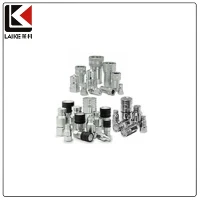
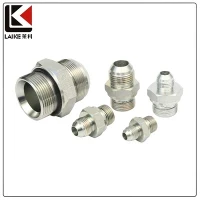
As a supplier of Jis Fittings, I often encounter customers who are curious about the pressure rating of these fittings. Understanding the pressure rating is crucial for ensuring the safe and efficient operation of hydraulic systems. In this blog post, I will delve into the details of the pressure rating of Jis Fittings, explaining what it means, how it is determined, and why it matters.
What is Pressure Rating?
The pressure rating of a fitting refers to the maximum pressure that the fitting can withstand without failing. It is typically expressed in pounds per square inch (psi) or megapascals (MPa). The pressure rating is an important specification because it determines the suitability of the fitting for a particular application. Using a fitting with a pressure rating that is too low can lead to leaks, failures, and potentially dangerous situations.


How is the Pressure Rating of Jis Fittings Determined?
The pressure rating of Jis Fittings is determined through a combination of testing and standards. Manufacturers conduct rigorous tests on their fittings to ensure that they meet or exceed the specified pressure ratings. These tests involve subjecting the fittings to high pressures and monitoring their performance. The results of these tests are used to determine the maximum pressure that the fitting can safely withstand.
In addition to testing, Jis Fittings are also designed and manufactured in accordance with industry standards. The Japanese Industrial Standards (JIS) provide guidelines for the design, manufacturing, and testing of hydraulic fittings. These standards ensure that Jis Fittings are of high quality and meet the requirements of various applications.
Factors Affecting the Pressure Rating of Jis Fittings
Several factors can affect the pressure rating of Jis Fittings. These include:
- Material: The material used to manufacture the fitting plays a significant role in its pressure rating. Different materials have different strengths and properties, which can affect their ability to withstand high pressures. For example, fittings made from high-strength steel or stainless steel generally have a higher pressure rating than those made from aluminum or brass.
- Design: The design of the fitting also affects its pressure rating. Fittings with a more robust design, such as those with thicker walls or reinforced connections, are generally able to withstand higher pressures.
- Temperature: The temperature of the fluid flowing through the fitting can also affect its pressure rating. High temperatures can cause the material of the fitting to expand, which can reduce its strength and increase the risk of failure. Therefore, it is important to consider the temperature range of the application when selecting a fitting.
- Installation: Proper installation is crucial for ensuring the pressure rating of Jis Fittings. Incorrect installation, such as over-tightening or under-tightening the fitting, can cause leaks or damage to the fitting, which can reduce its pressure rating.
Importance of Pressure Rating in Hydraulic Systems
The pressure rating of Jis Fittings is of utmost importance in hydraulic systems. Hydraulic systems operate under high pressures, and using fittings with a low pressure rating can lead to serious problems. Here are some reasons why the pressure rating is important:
- Safety: Using fittings with a low pressure rating can pose a safety risk. If a fitting fails under high pressure, it can cause leaks, explosions, or other dangerous situations. Therefore, it is essential to use fittings with a pressure rating that is appropriate for the application.
- Reliability: Fittings with a high pressure rating are more reliable and less likely to fail. This can help to reduce downtime and maintenance costs in hydraulic systems.
- Performance: Using fittings with the correct pressure rating can ensure the optimal performance of the hydraulic system. Fittings that are able to withstand high pressures can help to maintain the efficiency and effectiveness of the system.
Selecting the Right Jis Fittings Based on Pressure Rating
When selecting Jis Fittings for a hydraulic system, it is important to consider the pressure rating of the fittings. Here are some tips to help you select the right fittings:
- Determine the maximum pressure of the system: Before selecting a fitting, you need to determine the maximum pressure that the system will operate at. This will help you to select a fitting with a pressure rating that is appropriate for the application.
- Consider the material and design of the fitting: As mentioned earlier, the material and design of the fitting can affect its pressure rating. Therefore, it is important to choose a fitting made from a high-strength material and with a robust design.
- Check the manufacturer's specifications: Always check the manufacturer's specifications for the fitting to ensure that it meets the required pressure rating. The manufacturer's specifications will provide detailed information about the pressure rating, as well as other important specifications such as the size, thread type, and material of the fitting.
- Consult with a professional: If you are unsure about which fitting to choose, it is always a good idea to consult with a professional. A hydraulic engineer or a fitting supplier can provide you with expert advice and help you to select the right fitting for your application.
Related Products
In addition to Jis Fittings, we also offer a wide range of other hydraulic fittings and accessories. Some of our popular products include SAE Flange Adapter and Hydraulic Plugs. These products are designed to meet the needs of various hydraulic applications and are available in a variety of sizes and configurations.
Contact Us for Procurement
If you are interested in purchasing Jis Fittings or any of our other hydraulic products, please feel free to contact us. We have a team of experienced professionals who can provide you with detailed information about our products and help you to select the right fitting for your application. You can visit our website at Jis Fittings to learn more about our products and services.
References
- Japanese Industrial Standards (JIS) for hydraulic fittings
- Manufacturer's specifications for Jis Fittings
- Hydraulic engineering textbooks and resources