Hey there, folks! As a supplier of hydraulic adapters, I often get asked about the difference between male and female hydraulic adapters. It's a pretty common question in the industry, and today, I'm gonna break it down for you in a way that's easy to understand.
First off, let's talk about what hydraulic adapters are. They're essential components in hydraulic systems, which are used in a whole bunch of applications, from construction machinery to industrial equipment. Hydraulic adapters help connect different parts of the hydraulic system, like hoses, pipes, and valves. They ensure that the hydraulic fluid can flow smoothly and efficiently through the system.
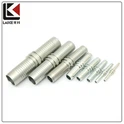
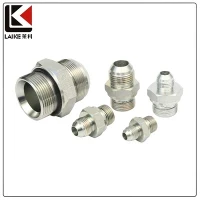
Now, let's get to the main topic: the difference between male and female hydraulic adapters. The most obvious difference is in their physical design. A male hydraulic adapter has a protruding end, kind of like a plug. This end usually has external threads. On the other hand, a female hydraulic adapter has a recessed end, like a socket, and it has internal threads.
The way they work together is simple. The male adapter is inserted into the female adapter, and the threads are tightened to create a secure connection. This connection is crucial because it prevents hydraulic fluid from leaking. If there's a leak in the hydraulic system, it can lead to a loss of pressure, which can affect the performance of the equipment and even cause damage.
Another difference between male and female hydraulic adapters is in their usage scenarios. Male adapters are often used when you need to connect a hose or a pipe to a component that has a female connection. For example, if you have a hydraulic pump with a female port, you'll use a male adapter to connect a hose to it. Female adapters, on the other hand, are used when you need to connect a component with a male end to another part of the system. Say you have a valve with a male outlet, and you want to connect it to a pipe. You'll use a female adapter for that.
When it comes to choosing between male and female hydraulic adapters, there are a few things to consider. One of the most important factors is the thread size and type. The threads on male and female adapters need to match exactly. There are different standards for thread sizes and types, such as NPT (National Pipe Thread), BSP (British Standard Pipe), and metric threads. You need to make sure that the adapter you choose has the right thread for your specific application.
For instance, if you're working with a system that uses NPT threads, you need to use male and female adapters with NPT threads. Using the wrong thread size or type can result in a loose connection, which can cause leaks. It's always a good idea to double - check the thread specifications before making a purchase.
Another thing to consider is the material of the adapters. Hydraulic adapters can be made from different materials, such as steel, stainless steel, brass, and aluminum. Steel adapters are strong and durable, making them suitable for high - pressure applications. Stainless steel adapters are resistant to corrosion, so they're a good choice for environments where there's a lot of moisture or chemicals. Brass adapters are easy to machine and have good conductivity, while aluminum adapters are lightweight.
Let's talk a bit more about some of the specific types of hydraulic adapters. We've got Flange Joint. These are used in high - pressure applications where a strong and reliable connection is required. Flange joints use bolts to secure two flanges together, creating a tight seal.
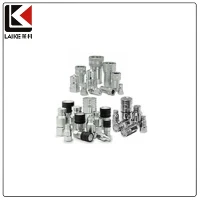
Then there are Hydraulic Fitting Adapters. These are a broad category of adapters that are used to connect different types of hydraulic fittings. They come in various shapes and sizes, and they can be male or female depending on the connection requirements.
And we also have BRITISH Adapter. As the name suggests, these adapters follow the British Standard Pipe (BSP) thread system. They're commonly used in international applications, especially in Europe and the UK.
In addition to the physical differences and usage, the functionality of male and female hydraulic adapters can also vary depending on the design. Some male adapters may have special features, like a tapered end, which helps to create a better seal when inserted into the female adapter. Female adapters may have different internal geometries to accommodate different types of male ends and ensure a proper fit.
It's also worth noting that the quality of the adapter makes a big difference. A high - quality hydraulic adapter will have precisely machined threads, a smooth surface finish, and good material properties. This ensures a reliable connection and a long service life. Cheaper adapters may have poorly cut threads or be made from low - grade materials, which can lead to problems down the line.
When it comes to installation, it's important to follow the proper procedures for both male and female hydraulic adapters. You should always clean the threads before installation to remove any debris or dirt. Use a thread sealant if necessary to prevent leaks. And when tightening the adapter, make sure not to over - tighten it, as this can damage the threads or the adapter itself.


As a hydraulic adapter supplier, I've seen firsthand how important it is to choose the right adapter for the job. Whether you're a professional in the hydraulic industry or a DIY enthusiast working on a small project, getting the correct male or female adapter can save you a lot of headaches.
If you're in the market for hydraulic adapters, I'm here to help. I can provide you with a wide range of high - quality male and female hydraulic adapters. We have all kinds of thread sizes and types, and different materials to meet your specific needs. Whether you need a simple Hydraulic Fitting Adapters or a specialized Flange Joint, we've got you covered.
So, if you have any questions about male and female hydraulic adapters or need some advice on which adapter is right for your application, don't hesitate to reach out. We can also offer you competitive prices and fast delivery. Let's have a chat and see how we can work together to meet your hydraulic adapter needs.
References:
- Hydraulic Systems Handbook
- Industry standards on hydraulic fittings and adapters