In the dynamic world of fluid power systems, hydraulic fittings play a pivotal role. As a seasoned hydraulic fitting supplier, I've witnessed firsthand the indispensable functions these components serve across various industries. This blog aims to delve into the core functions of hydraulic fittings and highlight how they contribute to the efficiency and reliability of hydraulic systems.
1. Connection and Sealing
At its most fundamental level, the primary function of hydraulic fittings is to connect various components within a hydraulic system. Whether it's hoses, pipes, valves, cylinders, or pumps, hydraulic fittings provide a secure and leak - free connection. This is crucial because hydraulic systems operate under high pressures, often ranging from a few hundred to several thousand pounds per square inch (psi). A faulty connection can lead to fluid leakage, which not only reduces the system's efficiency but can also pose safety hazards.
For example, in construction machinery such as excavators and bulldozers, hydraulic cylinders are responsible for the movement of heavy components like the bucket or the arm. Properly connected hydraulic fittings ensure that the high - pressure hydraulic fluid can be efficiently transferred to the cylinders, enabling smooth and powerful operation. If the fittings are not properly sealed or connected, the fluid may leak, resulting in reduced lifting capacity and potential damage to the machinery.
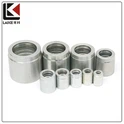
Our company offers a wide range of high - quality fittings, including NO Skive Ferrule. These ferrules are designed to provide a reliable sealing mechanism. They are engineered to grip the hose tightly, preventing any fluid from escaping even under extreme pressure conditions. Their unique design also helps to reduce the risk of hose pull - off, ensuring the longevity of the connection.
2. Fluid Direction and Control
Hydraulic fittings also play a key role in directing the flow of hydraulic fluid within the system. By using different types of fittings such as elbows, tees, and crosses, the hydraulic fluid can be routed to different parts of the system as needed. This is essential for controlling the operation of various components in the hydraulic system.
For instance, in an industrial manufacturing process where multiple hydraulic cylinders are used to perform different tasks, the hydraulic fluid needs to be directed to each cylinder at the right time and in the right amount. Using a combination of JIC Adaptor and other directional fittings, the system can be configured to ensure that the fluid flow is precisely controlled. JIC adaptors are known for their high - precision design, which allows for accurate fluid direction and minimal pressure drop, ensuring that the hydraulic system operates at its optimal efficiency.
3. Compatibility and System Integration
In today's diverse industrial landscape, hydraulic systems often need to integrate with a variety of components from different manufacturers. Hydraulic fittings act as the interface that ensures compatibility between these components. They are designed to comply with various international standards, such as ISO, SAE, and DIN.
For example, DIN Adapter is specifically designed to meet the DIN standards. These adapters are widely used in European and other international markets to connect hydraulic components that follow the DIN specifications. They provide a seamless connection between components from different suppliers, allowing for easy system integration and maintenance. This compatibility not only simplifies the installation process but also ensures that the hydraulic system can operate smoothly and consistently.
4. Pressure Regulation and Compensation
Hydraulic systems are subject to fluctuating pressures during operation. Hydraulic fittings can help regulate and compensate for these pressure changes. Some fittings are designed with special features, such as pressure - relief valves or dampeners, to protect the system from over - pressure situations.
In a hydraulic power unit, for example, sudden pressure spikes can occur due to rapid changes in the load or the operation of the valves. Fittings with pressure - regulating capabilities can help to absorb these spikes and maintain a stable pressure within the system. This not only protects the components from damage but also extends the lifespan of the entire hydraulic system.
5. Maintenance and Repair
Another important function of hydraulic fittings is to facilitate maintenance and repair of hydraulic systems. Since hydraulic fittings are detachable, they allow for easy disassembly and reassembly of the system components. This is particularly useful when it comes to replacing worn - out hoses, valves, or other parts.


During routine maintenance, technicians can quickly identify and replace faulty fittings without having to disassemble the entire hydraulic system. This reduces downtime and maintenance costs. Our company provides a comprehensive range of replacement fittings, ensuring that customers can easily find the right parts for their hydraulic systems.
Conclusion
In conclusion, hydraulic fittings are essential components in any hydraulic system. Their functions range from providing a secure connection and sealing to directing fluid flow, ensuring compatibility, regulating pressure, and facilitating maintenance. As a hydraulic fitting supplier, we are committed to providing high - quality products that meet the diverse needs of our customers.
If you are in need of reliable hydraulic fittings for your project or industrial application, we invite you to contact us for a detailed discussion. Our team of experts is ready to assist you in selecting the right fittings and providing professional advice on system design and installation.
References
- "Hydraulic Fittings Handbook" - A comprehensive guide on the design, selection, and application of hydraulic fittings.
- Industry standards documents such as ISO, SAE, and DIN related to hydraulic components.