Hey there! As a tube fitting supplier, I've seen my fair share of tube fitting leaks. It can be a real headache, right? But don't worry, I'm here to walk you through how to troubleshoot those pesky leaks.
Understanding the Basics of Tube Fittings
First off, let's talk a bit about tube fittings. They're used in all sorts of industries, from automotive to aerospace, to connect tubes and pipes. There are different types, like compression fittings, flare fittings, and push-to-connect fittings. Each type has its own unique way of sealing, and understanding this is key to troubleshooting leaks.


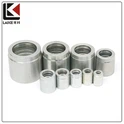
Compression fittings work by compressing a ferrule onto the tube. The ferrule creates a tight seal, preventing fluid from leaking out. Flare fittings, on the other hand, use a flared end on the tube that's then tightened against a matching fitting. Push-to-connect fittings are super convenient - you just push the tube into the fitting, and it locks in place.
Common Causes of Tube Fitting Leaks
Now, let's get into the nitty-gritty of what causes these leaks. One of the most common reasons is improper installation. If the fitting isn't tightened correctly, there won't be a proper seal. For compression fittings, if the ferrule isn't seated properly or is damaged, it can lead to leaks.
Another cause is vibration. Over time, vibrations can loosen the fittings, causing them to leak. This is especially common in machinery and vehicles. Corrosion is also a big culprit. If the fittings are exposed to harsh chemicals or moisture, they can corrode, which weakens the seal and leads to leaks.
Step-by-Step Troubleshooting Guide
Step 1: Inspect the Fitting
The first thing you need to do is take a good look at the fitting. Check for any visible signs of damage, like cracks, dents, or corrosion. If you see any damage, it's likely that the fitting needs to be replaced. Also, make sure the fitting is tightened properly. You can use a wrench to give it a gentle tug, but be careful not to over-tighten it.
Step 2: Check the Tube
Next, examine the tube itself. Look for any signs of damage, such as cuts or kinks. If the tube is damaged, it can affect the seal of the fitting. You may need to replace the tube or cut off the damaged section and reattach the fitting.
Step 3: Look for Loose Connections
Vibrations can cause the connections to loosen over time. Check all the connections around the fitting to make sure they're tight. You can use a wrench to tighten any loose connections, but again, be careful not to over-tighten.
Step 4: Consider the Environment
Think about the environment where the fitting is located. If it's exposed to extreme temperatures, chemicals, or moisture, these factors could be contributing to the leak. You may need to use fittings that are designed to withstand these conditions. For example, if the fitting is in a corrosive environment, you might want to use stainless steel fittings.
Step 5: Test the System
Once you've made any necessary repairs or adjustments, it's time to test the system. Turn on the fluid flow and check for any leaks. If you still notice a leak, you may need to go back and repeat the troubleshooting steps.
Specific Types of Fittings and Troubleshooting
Compression Fittings
For compression fittings, the key is to make sure the ferrule is seated correctly. If the ferrule is damaged, it won't create a proper seal. You can try removing the ferrule and inspecting it for damage. If it's damaged, replace it with a new one. When reinstalling the ferrule, make sure it's aligned properly and tightened evenly.
Flare Fittings
Flare fittings rely on a proper flare on the tube end. If the flare is not formed correctly, it can lead to leaks. You can use a flaring tool to check and re-flare the tube if necessary. Also, make sure the flare nut is tightened to the correct torque.
Push-to-Connect Fittings
Push-to-connect fittings are generally easy to install, but they can still leak if the tube isn't inserted correctly. Make sure the tube is fully inserted into the fitting and that the collet is engaged. If the fitting still leaks, it may be defective and need to be replaced.
Using the Right Tools and Accessories
Having the right tools and accessories can make troubleshooting and fixing tube fitting leaks much easier. For example, a torque wrench can help you tighten the fittings to the correct torque, which is crucial for a proper seal. You may also need a flaring tool for flare fittings or a cutter for cutting the tube.
In addition, using the right accessories can help prevent leaks. For example, using thread sealant on threaded fittings can help create a better seal. There are different types of thread sealants available, so make sure you choose one that's compatible with the fluid and the fitting material.
Related Products for Troubleshooting
If you're dealing with tube fitting leaks, you might find some of our products helpful. We offer a wide range of tube fittings, including Hydraulic Flange Adapters, NPTF Adapter, and Jis Fittings. These fittings are designed to provide a reliable seal and can help you solve your leak problems.
Conclusion
Troubleshooting tube fitting leaks can be a bit of a challenge, but with the right knowledge and tools, you can get the job done. Remember to start by inspecting the fitting and the tube, checking for loose connections, and considering the environment. If you're still having trouble, don't hesitate to reach out to us. We're here to help you find the right solutions for your tube fitting needs. Whether you're looking for replacement fittings or just need some advice, we're ready to assist. So, if you're in the market for tube fittings or need help with leak troubleshooting, let's have a chat and see how we can work together.
References
- "Tube Fitting Handbook" - A comprehensive guide on tube fittings and their installation.
- Industry standards and guidelines for tube fitting installation and maintenance.