Hey there! As a supplier of JIC hose fittings, I often get asked about how these little but crucial components work. So, I thought I'd sit down and write this blog to give you a clear picture of what makes JIC hose fittings tick.
First off, let's start with what JIC stands for. JIC is short for the Joint Industry Council. Back in the day, the aerospace and automotive industries needed a standardized fitting for hydraulic systems. That's when the JIC standards were developed. These standards ensure that JIC hose fittings can be used interchangeably across different equipment and manufacturers, which is super handy.
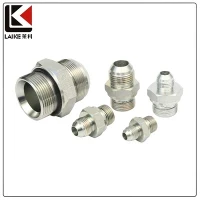
Now, let's dig into the anatomy of a JIC hose fitting. A typical JIC hose fitting consists of three main parts: the fitting body, the nut, and the sleeve or ferrule. The fitting body is the part that connects to the hydraulic component, like a pump or a valve. It has a specific shape and thread size that matches the component it's going to be attached to. The nut is used to tighten the fitting onto the body, creating a secure connection. And the sleeve or ferrule is what actually seals the hose to the fitting body.
So, how do they work together? Well, when you're installing a JIC hose fitting, you first slide the nut and the ferrule onto the hose. Then, you insert the hose into the fitting body. As you tighten the nut, the ferrule is compressed between the nut and the fitting body. This compression causes the ferrule to bite into the hose, creating a tight seal. The 37-degree flare on the fitting body and the ferrule is a key feature here. This angle is designed to provide a reliable seal under high pressure. When the ferrule is compressed onto the 37-degree flare, it creates a metal-to-metal seal that can withstand a lot of force.
One of the great things about JIC hose fittings is their versatility. They can be used in a wide range of applications, from small automotive hydraulic systems to large industrial machinery. Whether you're dealing with a low-pressure or high-pressure system, JIC hose fittings can usually get the job done. For example, in a car's power steering system, JIC hose fittings are used to connect the hoses that carry the hydraulic fluid. The fittings need to be able to handle the pressure changes as you turn the steering wheel, and JIC fittings are up to the task.
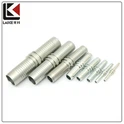
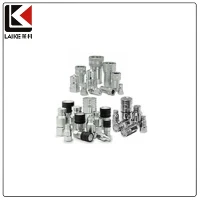
Now, let's talk about some of the different types of JIC hose fittings we offer. We have Reusable Hose Fitting. These are great because they can be removed and reinstalled multiple times without damaging the hose or the fitting. This is really useful if you need to make repairs or changes to your hydraulic system. Another type is the Interlock Hose Fitting. These fittings have a unique interlocking design that provides an extra level of security. They're often used in high-vibration applications where a loose fitting could cause problems. And then we have the High Pressure Ferrule. As the name suggests, these ferrules are designed to handle extremely high pressures. They're made from high-strength materials and have a special shape that allows them to create a tight seal even under the most demanding conditions.
When it comes to installation, it's important to follow the right procedures. First, make sure you have the right size fitting for your hose. Using the wrong size can lead to leaks or even failure of the fitting. You also need to clean the hose and the fitting before installation to remove any dirt or debris. This will help ensure a good seal. When tightening the nut, use a torque wrench to apply the correct amount of torque. Over-tightening can damage the fitting or the hose, while under-tightening can result in a leak.
Maintenance is also key to keeping your JIC hose fittings working properly. Regularly inspect the fittings for any signs of wear or damage, such as cracks or leaks. If you notice any problems, replace the fitting as soon as possible. It's also a good idea to check the torque on the nuts periodically to make sure they're still tight.
In conclusion, JIC hose fittings are an essential part of many hydraulic systems. Their simple yet effective design allows them to create a reliable seal under a variety of conditions. Whether you're in the automotive, industrial, or any other industry that uses hydraulic systems, you can count on JIC hose fittings to do the job.
If you're in the market for JIC hose fittings, we're here to help. We have a wide range of fittings to suit your needs, and our team of experts can provide you with all the information and support you need. So, don't hesitate to reach out and start a conversation about your requirements. We're looking forward to working with you!


References:
- Hydraulic Fitting Handbook
- Industry Standards for JIC Hose Fittings