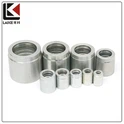
Hey there! As a supplier of METRIC Adapters, I've been getting a lot of questions lately about how to upgrade these adapters. So, I thought I'd put together this blog post to share some tips and insights on the topic.
First off, let's talk about why you might want to upgrade your METRIC Adapter in the first place. There could be several reasons. Maybe you're looking to improve the performance of your hydraulic system. Or perhaps you need to meet new industry standards or regulations. It could also be that your existing adapter is showing signs of wear and tear and it's time for a replacement with an upgraded version.
Assessing Your Current Situation
The first step in upgrading a METRIC Adapter is to take a good look at your current setup. You need to understand what kind of adapter you have, its specifications, and how it's performing. Check for any leaks, corrosion, or other signs of damage. Also, consider the operating conditions of your system, such as pressure, temperature, and flow rate. These factors will play a crucial role in determining the type of upgrade you need.
For example, if your system operates at high pressures, you'll need an adapter that can handle those pressures without failing. Similarly, if the temperature in your environment is extreme, you'll want an adapter made from materials that can withstand those temperatures.
Choosing the Right Upgrade
Once you've assessed your current situation, it's time to choose the right upgrade. There are several options available, depending on your specific needs.
Material Upgrades
One of the most common upgrades is to change the material of the adapter. For instance, if your current adapter is made of a standard steel, you might consider upgrading to a stainless steel or a high-strength alloy. These materials offer better corrosion resistance and durability, which can extend the lifespan of your adapter and improve the overall performance of your system.
Design Upgrades
Another option is to upgrade the design of the adapter. There are various types of designs available, each with its own advantages. For example, Tube Fitting is a popular choice for many hydraulic systems. It provides a secure and leak-free connection, which is essential for maintaining the efficiency of your system.
If you need a more robust connection, you might consider a Flange Joint. Flange joints are known for their high strength and reliability, making them suitable for applications where there are high pressures or vibrations.
For applications that require a specific type of connection, such as those in the automotive or aerospace industries, a SAE Flange Adapter might be the best choice. These adapters are designed to meet the standards set by the Society of Automotive Engineers (SAE), ensuring compatibility and performance.
Installation Process
Once you've chosen the right upgrade, it's time to install the new adapter. This is a critical step, as improper installation can lead to leaks, failures, and other problems.
Before you start the installation, make sure you have all the necessary tools and equipment. You'll also need to clean the mating surfaces of the adapter and the other components in your system to ensure a proper seal.
Follow the manufacturer's instructions carefully during the installation process. This will typically involve tightening the adapter to the specified torque using a torque wrench. Make sure not to over-tighten or under-tighten the adapter, as this can affect its performance.


Testing and Maintenance
After the installation is complete, it's important to test the system to make sure everything is working properly. Start by checking for any leaks around the adapter. You can do this by pressurizing the system and visually inspecting the connection points.
If you notice any leaks, you'll need to identify the source of the problem and take corrective action. This might involve re-tightening the adapter or replacing a damaged gasket.
Once the system has been tested and is leak-free, it's important to establish a regular maintenance schedule. This will help to ensure the long-term performance and reliability of your upgraded adapter. Regular maintenance might include checking for signs of wear and tear, cleaning the adapter, and replacing any worn-out components.
Conclusion
Upgrading a METRIC Adapter can be a great way to improve the performance and reliability of your hydraulic system. By following the steps outlined in this blog post, you can choose the right upgrade, install it correctly, and maintain it properly.
If you're interested in upgrading your METRIC Adapter or have any questions about our products, don't hesitate to reach out. We're here to help you find the best solution for your needs. Whether you're looking for a simple material upgrade or a more complex design change, we have the expertise and the products to meet your requirements.
References
- Hydraulic Adapter Handbook
- Industry Standards for Hydraulic Components