Hey there! As a supplier of Fast Connectors, I know firsthand how crucial it is to ensure a proper connection. In this blog, I'll share some tips and tricks on how to make sure your Fast Connector works like a charm every time.
Understanding the Basics of Fast Connectors
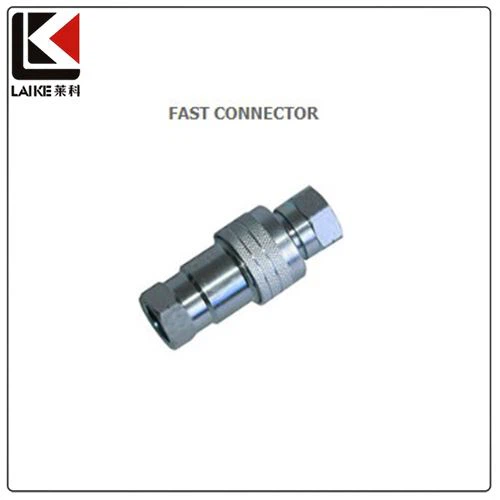
First off, let's talk a bit about what a Fast Connector is. A Fast Connector, as the name suggests, is a device that allows for quick and easy connection and disconnection of various components. It's widely used in many industries, especially in hydraulic systems. You can learn more about them on our Fast Connector page.
Fast Connectors come in different types and designs, each tailored to specific applications. They are designed to provide a secure and leak - free connection, which is essential for the efficient operation of any system they are part of.

Pre - installation Checks
Inspect the Connector
Before you even think about making a connection, you need to give your Fast Connector a good once - over. Check for any signs of damage, such as cracks, dents, or worn - out parts. A damaged connector can lead to leaks, reduced performance, and even system failure. If you notice any issues, don't use the connector. Replace it with a new one to ensure a proper connection.
Clean the Components
Dirt, debris, and contaminants can really mess up a connection. Make sure to clean both the Fast Connector and the mating parts thoroughly. You can use a clean cloth and a suitable cleaning agent. For hydraulic applications, it's important to use a cleaning solution that won't leave any residue that could contaminate the hydraulic fluid. Cleaning the components will help create a tight seal and prevent leaks.
Check Compatibility
Not all Fast Connectors are created equal. You need to make sure that the connector you're using is compatible with the components you're connecting. Check the size, type, and pressure rating of the connector. Using an incompatible connector can lead to serious problems, so it's better to double - check before making the connection. You can find more information about different types of connectors on our Hydraulic Coupling Types page.
Installation Process
Align Properly
Proper alignment is key when it comes to connecting a Fast Connector. Misalignment can cause uneven stress on the connector, leading to leaks and premature wear. Make sure that the connector and the mating part are perfectly aligned before you start the connection process. Take your time to get it right; it'll save you a lot of headaches in the long run.
Connect with Care
When you're ready to connect the Fast Connector, do it slowly and steadily. Don't force it. If you feel resistance, stop and check for misalignment or any other issues. For some connectors, you may need to use a specific tool to make the connection. Follow the manufacturer's instructions carefully. Once the connector is connected, give it a gentle tug to make sure it's secure.
Tighten to the Right Torque
Many Fast Connectors require a specific amount of torque to be tightened properly. Over - tightening can damage the connector, while under - tightening can result in leaks. Use a torque wrench to ensure that you're applying the correct amount of torque. The torque specifications can usually be found in the product manual or on the manufacturer's website.
Post - installation Checks
Check for Leaks
After you've connected the Fast Connector, the first thing you should do is check for leaks. Look for any signs of fluid seeping out around the connector. You can use a leak - detection solution or simply observe the area carefully. If you find a leak, don't ignore it. Try to identify the cause, which could be misalignment, improper tightening, or a damaged seal. Fix the issue as soon as possible to prevent further problems.
Test the System
Once you've confirmed that there are no leaks, it's time to test the system. Start the system slowly and monitor its performance. Check for any abnormal noises, vibrations, or changes in pressure. If you notice anything unusual, shut down the system immediately and investigate the problem. A proper connection should result in smooth and efficient operation of the system.
Maintenance and Long - term Care
Regular Inspections
To ensure the long - term proper connection of your Fast Connector, it's important to conduct regular inspections. Check the connector for signs of wear, damage, or corrosion on a regular basis. Depending on the application, you may need to inspect it daily, weekly, or monthly. Catching problems early can prevent more serious issues down the road.
Lubrication
Some Fast Connectors may require lubrication to ensure smooth operation and a proper seal. Use a lubricant that is compatible with the connector and the system fluid. Apply the lubricant according to the manufacturer's instructions. Lubrication can reduce friction, prevent wear, and extend the life of the connector.
Replace Worn Parts
Over time, the components of a Fast Connector will wear out. When you notice that a part, such as a seal or a valve, is worn or damaged, replace it immediately. Using worn - out parts can compromise the connection and lead to system failure. Keep a stock of spare parts on hand to make replacements as needed.
Conclusion
Ensuring the proper connection of a Fast Connector is not rocket science, but it does require attention to detail and following the right procedures. By doing pre - installation checks, connecting with care, performing post - installation checks, and maintaining the connector properly, you can ensure that your Fast Connector works effectively and reliably.
If you're in the market for high - quality Fast Connectors or Hydraulic Quick Couplers, we're here to help. We offer a wide range of connectors that are designed to meet your specific needs. Whether you're a small - scale user or a large - scale industrial customer, we can provide you with the right products and support. If you have any questions or are interested in purchasing our products, feel free to reach out to us for a purchase negotiation. We're looking forward to working with you!
References
- Manufacturer's product manuals for Fast Connectors
- Industry standards for hydraulic connections
- Technical literature on fluid power systems