Hey there! As a hose fitting supplier, I've had my fair share of questions about different types of hose fittings. One type that often comes up in conversations is the compression hose fitting. So, let's dive right in and explore what a compression hose fitting is all about.
What Exactly is a Compression Hose Fitting?
A compression hose fitting is a type of connector used to join hoses together or to attach a hose to a piece of equipment. It works on the principle of compression, which means it uses pressure to create a tight and secure seal. The basic components of a compression hose fitting typically include a nut, a ferrule, and a body.
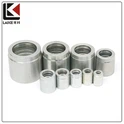
The nut is used to tighten the fitting onto the hose or equipment. When you turn the nut, it pushes the ferrule against the hose or the body of the fitting. The ferrule is a small, ring - shaped piece that deforms slightly under pressure. This deformation creates a seal that prevents fluid or gas from leaking out. The body of the fitting is the main part that provides the connection point and holds everything together.
How Does it Work?
Let's break down the process of using a compression hose fitting step by step. First, you need to prepare the hose. Cut the hose to the appropriate length using a sharp cutter to ensure a clean edge. Then, slide the nut onto the hose, followed by the ferrule.
Next, insert the hose into the body of the fitting. Make sure it goes in all the way. Once the hose is in place, start tightening the nut. As you turn the nut, the ferrule is compressed between the nut and the body of the fitting. This compression causes the ferrule to grip the hose tightly, creating a leak - proof seal.
It's important not to over - tighten the nut. Over - tightening can damage the ferrule or the hose, leading to leaks or even failure of the fitting. Usually, you should tighten the nut until it's snug and then give it a little extra turn, but be careful not to go too far.
Advantages of Compression Hose Fittings
One of the biggest advantages of compression hose fittings is their ease of installation. You don't need any special tools or skills to install them. All you need is a wrench to tighten the nut, and you're good to go. This makes them a popular choice for DIY projects and quick repairs.
Another advantage is their versatility. Compression hose fittings can be used with a wide variety of hoses, including rubber, plastic, and metal hoses. They can also be used in different applications, such as plumbing, hydraulic systems, and pneumatic systems. Whether you're working on a small home plumbing project or a large industrial hydraulic system, compression hose fittings can get the job done.
Compression hose fittings are also relatively inexpensive compared to some other types of fittings. This makes them a cost - effective solution for many applications. You can get a good quality compression hose fitting without breaking the bank.


Disadvantages of Compression Hose Fittings
While compression hose fittings have many advantages, they also have some drawbacks. One of the main disadvantages is that they may not be suitable for high - pressure applications. In high - pressure systems, the force exerted on the fitting can cause the ferrule to loosen or the seal to fail. If you're working with a high - pressure system, you might want to consider other types of fittings, such as Hydraulic Flange Fittings.
Another issue is that compression hose fittings may require periodic maintenance. Over time, the ferrule can wear out or the seal can degrade, leading to leaks. You may need to check the fittings regularly and replace the ferrules if necessary.
Types of Compression Hose Fittings
There are several types of compression hose fittings available on the market. One common type is the single - ferrule compression fitting. This type of fitting has a single ferrule that provides the seal. It's simple and easy to install, making it a popular choice for many applications.
Another type is the double - ferrule compression fitting. As the name suggests, it has two ferrules. The front ferrule seals against the body of the fitting, while the back ferrule grips the hose. Double - ferrule compression fittings are more reliable and can handle higher pressures compared to single - ferrule fittings.
There are also reusable compression hose fittings, such as Reusable Hose Fitting. These fittings can be disassembled and reassembled multiple times, which is great if you need to make changes or repairs to your system.
Applications of Compression Hose Fittings
Compression hose fittings are used in a wide range of applications. In the plumbing industry, they're used to connect pipes and hoses in water supply systems, drainage systems, and heating systems. They're also used in the automotive industry to connect fuel lines, brake lines, and coolant hoses.
In the industrial sector, compression hose fittings are used in hydraulic and pneumatic systems. Hydraulic systems use fluid pressure to transmit power, and compression hose fittings are used to connect the hoses and components in these systems. Pneumatic systems use compressed air, and compression hose fittings are used to connect the air hoses and valves.
Choosing the Right Compression Hose Fitting
When choosing a compression hose fitting, there are several factors you need to consider. First, you need to make sure the fitting is compatible with the hose you're using. Check the size and material of the hose and choose a fitting that matches.
You also need to consider the pressure and temperature requirements of your application. If you're working with a high - pressure system, choose a fitting that can handle the pressure. Similarly, if your application involves high temperatures, choose a fitting that can withstand the heat.
Another factor to consider is the type of fluid or gas that will be flowing through the hose. Some fluids or gases can be corrosive, so you need to choose a fitting that is made of a material that is resistant to corrosion. For example, if you're working with a corrosive chemical, you might want to choose a stainless - steel fitting.
High - Pressure Compression Fittings
For high - pressure applications, you might need to use high - pressure compression fittings, such as High Pressure Ferrule. These fittings are designed to withstand the high forces exerted by high - pressure fluids or gases. They usually have a stronger ferrule and a more robust body to ensure a reliable seal.
When using high - pressure compression fittings, it's even more important to follow the installation instructions carefully. Over - tightening or under - tightening the nut can lead to serious problems, such as leaks or fitting failure.
Conclusion
In conclusion, compression hose fittings are a versatile and cost - effective solution for joining hoses and connecting them to equipment. They're easy to install and can be used in a wide range of applications. However, they do have some limitations, especially in high - pressure applications.
If you're in the market for compression hose fittings or any other type of hose fitting, I'm here to help. As a hose fitting supplier, I have a wide range of products to meet your needs. Whether you're working on a small DIY project or a large industrial application, I can provide you with the right fittings at a competitive price.
Don't hesitate to reach out if you have any questions or if you're ready to start your purchase. Let's work together to find the perfect hose fittings for your project.
References
- "Hose Fitting Handbook" - A comprehensive guide on different types of hose fittings and their applications.
- Industry standards and specifications related to compression hose fittings.