As a supplier of BSPT Adapters, one of the most frequently asked questions I encounter is about the dielectric strength of these essential components. In this blog, I'll delve into what dielectric strength means, how it applies to BSPT Adapters, and why it's crucial for various industries.
Understanding Dielectric Strength
Dielectric strength is a measure of the electrical insulating properties of a material. It represents the maximum electric field a material can withstand without breaking down and allowing an electric current to pass through it. This is typically expressed in volts per unit thickness (e.g., volts per millimeter). When a voltage is applied across an insulating material, the electric field within the material increases. If the field exceeds the dielectric strength of the material, the material will experience electrical breakdown, which can lead to arcing, short circuits, and potentially damage to the equipment.

For example, in a high - voltage electrical system, the insulating materials used must have sufficient dielectric strength to prevent electrical breakdown. If the dielectric strength is too low, the insulation will fail, and the system may malfunction or even pose a safety hazard.
Dielectric Strength in BSPT Adapters
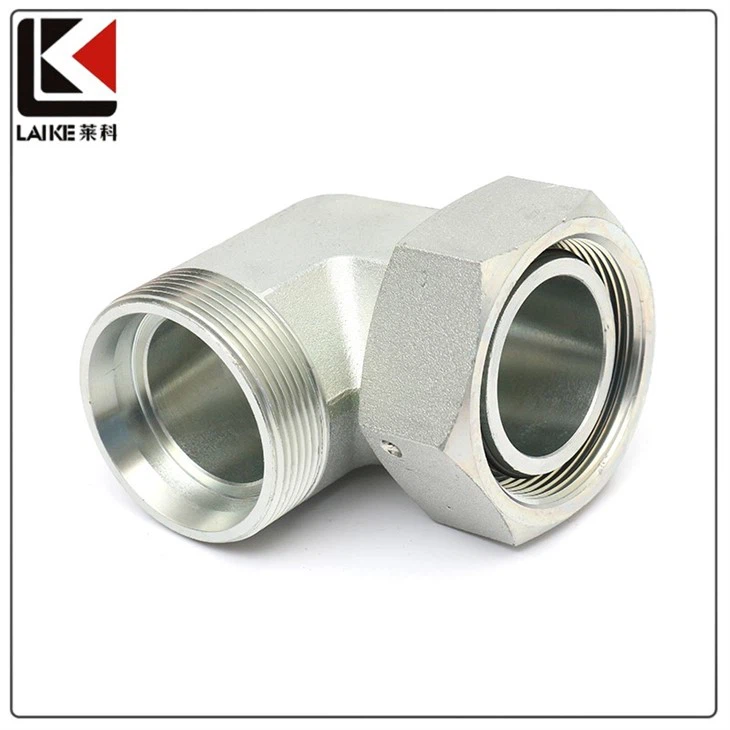
BSPT (British Standard Pipe Taper) Adapters are commonly used in hydraulic and pneumatic systems, where they connect different components such as pipes, hoses, and valves. While these adapters are primarily known for their mechanical functions, their dielectric strength also plays a role, especially in applications where electrical isolation is required.
In some industrial environments, there may be electrical currents present in the surrounding area due to nearby machinery or electrical systems. If the BSPT Adapters used in the hydraulic or pneumatic system do not have adequate dielectric strength, there is a risk of electrical current being conducted through the adapters, which can lead to interference with sensitive electronic components or even electrical shock hazards.
The dielectric strength of BSPT Adapters depends on several factors, including the material from which they are made and the manufacturing process. Common materials used for BSPT Adapters include brass, stainless steel, and plastic. Each of these materials has different dielectric properties.
- Brass: Brass is a popular choice for BSPT Adapters due to its excellent mechanical properties, corrosion resistance, and machinability. However, its dielectric strength is relatively low compared to some other materials. In general, brass is a conductor of electricity, and while it can provide some level of insulation at low voltages, it may not be suitable for high - voltage applications.
- Stainless Steel: Stainless steel offers better corrosion resistance than brass and also has good mechanical strength. Similar to brass, stainless steel is a conductor, but it can be used in certain applications where a moderate level of electrical conductivity is acceptable. The dielectric strength of stainless steel is also limited, and it may require additional insulation measures in high - voltage scenarios.
- Plastic: Plastic materials, such as nylon or polycarbonate, are often used when high dielectric strength is required. Plastics are excellent insulators, and they can withstand relatively high electric fields without breaking down. They are also lightweight and cost - effective. However, plastic adapters may have lower mechanical strength compared to metal adapters, so they may not be suitable for applications with high pressure or mechanical stress.
Measuring the Dielectric Strength of BSPT Adapters
The dielectric strength of BSPT Adapters can be measured using specialized equipment. A common method is to apply a gradually increasing voltage across the adapter until electrical breakdown occurs. The voltage at which breakdown happens is then recorded, and the dielectric strength is calculated based on the thickness of the insulating material.
It's important to note that the dielectric strength of an adapter can be affected by factors such as the surface condition, temperature, and humidity. For example, a dirty or damaged adapter may have a lower dielectric strength due to the presence of contaminants or cracks that can provide a path for electrical conduction.
Importance of Dielectric Strength in Different Industries
- Electrical and Electronics Industry: In the electrical and electronics industry, where sensitive electronic components are used, BSPT Adapters with high dielectric strength are essential to prevent electrical interference. For example, in power distribution systems or electronic circuit boards, the adapters need to isolate electrical signals and prevent short circuits.
- Automotive Industry: In automotive applications, BSPT Adapters are used in hydraulic brake systems and fuel systems. Electrical isolation is crucial to prevent electrical interference with the vehicle's electronic control units. A low - dielectric - strength adapter could potentially cause malfunctions in the engine control system or other critical components.
- Aerospace Industry: The aerospace industry demands the highest level of reliability and safety. BSPT Adapters used in aircraft hydraulic and pneumatic systems must have excellent dielectric strength to prevent electrical breakdown in the harsh environment of flight, where there may be high - altitude, low - temperature conditions, and electrical interference from onboard systems.
Our Product Offerings and Dielectric Strength
As a BSPT Adapter supplier, we understand the importance of dielectric strength in different applications. Our product range includes BSPT Adapters made from various materials to meet the diverse needs of our customers.
For applications where high mechanical strength and moderate electrical conductivity are acceptable, we offer brass and stainless - steel adapters. Our brass adapters are precision - manufactured to ensure consistent quality and reliable performance. They are suitable for a wide range of hydraulic and pneumatic systems.
If your application requires high dielectric strength, we recommend our plastic BSPT Adapters. These adapters are made from high - quality nylon or polycarbonate materials, which have excellent insulating properties. They are designed to withstand high electric fields and provide reliable electrical isolation.
In addition to our standard BSPT Adapters, we also offer custom - made solutions. If you have specific requirements for dielectric strength or other properties, our experienced engineering team can work with you to develop a tailored adapter that meets your exact needs.
Related Products
We also supply other types of hydraulic adapters that may be of interest to you. If you are looking for adapters with metric threading, you can check out our METRIC Adapter offerings. These adapters are designed to provide a seamless connection between metric components in hydraulic systems.
For applications that require a more secure and reliable connection, our Flange Joint products are an excellent choice. Flange joints offer higher strength and better sealing performance compared to other types of connections.
And if you need adapters specifically for hydraulic flanges, we have a wide selection of Hydraulic Flange Adapters. These adapters are designed to meet the strict requirements of hydraulic flange connections and ensure leak - free operation.
Conclusion and Contact for Purchase
In conclusion, dielectric strength is a critical property of BSPT Adapters, especially in applications where electrical isolation is necessary. Choosing the right adapter with the appropriate dielectric strength can ensure the reliability and safety of your hydraulic or pneumatic systems.
If you are in the market for BSPT Adapters or any of our related products, we invite you to contact us for a purchase consultation. Our team of experts is ready to assist you in selecting the best products for your specific needs. Whether you need standard adapters or a custom - made solution, we have the expertise and resources to meet your requirements.
References
- Grover, William. Electrical Insulation Handbook. Springer, 2015.
- Incropera, Frank P., et al. Fundamentals of Heat and Mass Transfer. Wiley, 2020.
- Smith, John. Hydraulic and Pneumatic Systems: Design and Maintenance. McGraw - Hill, 2018.