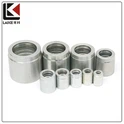
Hey there, folks! As a supplier of JIC to JIC adapters, I get asked a ton of questions about these little but crucial parts. One question that pops up all the time is, "Are JIC to JIC adapters compatible with all JIC fittings?" Well, let's dig into this topic and find out.


First off, let's understand what JIC fittings are. JIC, which stands for Joint Industry Council, is a standard for hydraulic fittings in North America. These fittings are known for their 37-degree flare seating surface. They're widely used in hydraulic systems because they offer a reliable and leak-resistant connection. JIC fittings come in various shapes and sizes, including straight connectors, elbows, tees, and more.
Now, when it comes to JIC to JIC adapters, their main job is to connect two JIC fittings together. But here's the thing: just because they're all JIC doesn't mean they're always a perfect match.
Compatibility Factors
Size Matters
The size of JIC fittings is a major factor in compatibility. JIC fittings are sized according to a specific system. For example, a -4 JIC fitting is different in size from a -6 JIC fitting. If you try to connect a -4 JIC adapter to a -6 JIC fitting, it's not going to work. The adapter has to match the size of the fittings you're trying to connect. So, when you're choosing a JIC to JIC adapter, make sure to double-check the size.
Thread Type
Another important aspect is the thread type. JIC fittings typically use a Unified National Fine (UNF) thread. However, there can be variations in the thread pitch and diameter. If the thread on the adapter doesn't match the thread on the fittings, it won't screw on properly. This can lead to leaks or even damage to the fittings. So, always ensure that the thread type of the adapter is the same as that of the JIC fittings.
Material and Finish
The material and finish of the JIC to JIC adapter and the JIC fittings can also affect compatibility. Different materials have different properties, such as corrosion resistance and strength. For example, if you're using stainless steel JIC fittings in a harsh environment, you'll want an adapter made of the same or a compatible material. Otherwise, you might run into issues like galvanic corrosion, which can weaken the connection over time.
When Compatibility Works Well
In many cases, JIC to JIC adapters are highly compatible with JIC fittings. When you have the right size, thread type, and material, they can provide a secure and leak-free connection. This is especially true when you're using high-quality products. Good-quality JIC adapters are manufactured to strict standards, ensuring that they fit well with other JIC components.
For instance, if you're working on a hydraulic system in a factory, and you need to connect two JIC hoses using an adapter, as long as you've selected the correct adapter based on the factors mentioned above, everything should work smoothly. You'll be able to assemble the system quickly and get it up and running without any major issues.
When Compatibility Might Be an Issue
There are situations where compatibility can be a problem. One common scenario is when you're using older JIC fittings. Over time, the dimensions and tolerances of JIC fittings have changed slightly. So, an adapter that's designed to modern standards might not fit perfectly with an older fitting.
Another issue can arise when you're mixing different brands of JIC fittings and adapters. While most manufacturers follow the JIC standards, there can be slight differences in the manufacturing process. These differences might not seem significant, but they can cause problems when it comes to fitting everything together.
Other Hydraulic Fittings in the Mix
It's also worth mentioning that there are other types of hydraulic fittings out there, such as METRIC Adapter, American Adapter, and Jis Fittings. These fittings have their own standards and characteristics.
If you're thinking about using a JIC to JIC adapter in a system that also includes these other types of fittings, you need to be extra careful. In most cases, a JIC to JIC adapter won't be directly compatible with non-JIC fittings. You'll need to use a different type of adapter to make the connection.
How to Ensure Compatibility
So, how can you make sure that your JIC to JIC adapter is compatible with your JIC fittings? Here are some tips:
- Check the Specifications: Always refer to the product specifications provided by the manufacturer. This will give you detailed information about the size, thread type, and material of the adapter and the fittings.
- Measure Twice: Use a caliper or a thread gauge to measure the fittings and the adapter. This will help you confirm that they match in terms of size and thread.
- Test Fit: Before fully assembling the system, do a test fit. This will allow you to spot any potential issues early on.
Conclusion
In conclusion, while JIC to JIC adapters are designed to work with JIC fittings, compatibility isn't always guaranteed. Size, thread type, material, and other factors can all play a role in whether the adapter will fit properly. However, by being careful and following the tips mentioned above, you can ensure a successful connection.
If you're in the market for high-quality JIC to JIC adapters, I'm here to help. I've got a wide range of adapters that are designed to meet the highest standards. Whether you're working on a small DIY project or a large industrial application, I can provide you with the right adapter for the job. If you have any questions or need help with choosing the right adapter, feel free to reach out. Let's get your hydraulic system up and running smoothly!
References
- Hydraulic Fitting Handbook
- Industry Standards for JIC Fittings