As a supplier of JIS fittings, I've encountered numerous inquiries regarding the impact of chemical solvents on these essential components. JIS fittings, which adhere to the Japanese Industrial Standards, are widely used in various industries for fluid handling systems, including hydraulic, pneumatic, and chemical processing applications. Understanding how they interact with chemical solvents is crucial for ensuring the safety, efficiency, and longevity of these systems.
Chemical Compatibility of JIS Fittings
The susceptibility of JIS fittings to chemical solvents primarily depends on the material of the fittings. Common materials for JIS fittings include stainless steel, brass, and carbon steel, each with its own set of chemical resistance properties.
Stainless steel is renowned for its excellent corrosion resistance due to the presence of chromium, which forms a passive oxide layer on the surface. This layer protects the metal from oxidation and many chemical attacks. However, certain aggressive chemicals such as concentrated sulfuric acid, hydrochloric acid, and some chlorinated solvents can still cause corrosion or pitting in stainless steel over time, especially at high temperatures or concentrations.
Brass, an alloy of copper and zinc, is also commonly used in JIS fittings. It has good corrosion resistance in mild environments and is often used for water and gas applications. However, brass is susceptible to dezincification, a process in which zinc is selectively leached from the alloy in the presence of certain chemicals, particularly acids and alkaline solutions. This can weaken the fitting and lead to failure.

Carbon steel is strong and relatively inexpensive but has poor corrosion resistance compared to stainless steel and brass. It is prone to rusting in the presence of moisture and oxygen, and many chemical solvents can accelerate this process. Carbon steel fittings are typically coated or plated to improve their corrosion resistance, but these coatings can be damaged by some chemicals, exposing the underlying steel to corrosion.
Factors Affecting the Interaction
Several factors can influence how JIS fittings respond to chemical solvents. These include the type and concentration of the solvent, temperature, pressure, and the duration of exposure.
The chemical nature of the solvent is a critical factor. Some solvents, such as water and alcohols, are relatively mild and may have little or no effect on JIS fittings made of suitable materials. On the other hand, strong acids, bases, and organic solvents like acetone, toluene, and benzene can be highly corrosive and may cause significant damage to the fittings.
The concentration of the solvent also plays a role. Higher concentrations of corrosive chemicals generally lead to more rapid and severe damage. For example, a dilute solution of hydrochloric acid may have a minimal impact on stainless steel fittings, while a concentrated solution can cause rapid corrosion.
Temperature and pressure can also affect the chemical resistance of JIS fittings. In general, increasing the temperature and pressure can accelerate chemical reactions and make the fittings more susceptible to corrosion. For example, hot chemicals are often more reactive than cold ones, and high-pressure systems can exacerbate the effects of corrosion by forcing the solvent into small cracks and crevices in the fitting.
The duration of exposure is another important factor. Short-term exposure to a chemical solvent may not cause significant damage, but prolonged exposure can lead to cumulative effects over time. For example, a fitting that is briefly exposed to a mild solvent may show no immediate signs of damage, but if it is continuously exposed for months or years, corrosion or other forms of degradation may occur.
Testing and Mitigation Strategies
To ensure the compatibility of JIS fittings with chemical solvents, it is essential to conduct thorough testing. This can involve laboratory tests, where samples of the fittings are exposed to the solvents under controlled conditions to evaluate their performance. Field testing can also be valuable, as it allows the fittings to be tested in real-world conditions.
Based on the test results, appropriate mitigation strategies can be implemented. If a particular solvent is found to be incompatible with the JIS fittings, alternative materials or coatings can be considered. For example, if a stainless steel fitting is not resistant to a certain chemical, a more corrosion-resistant alloy or a coating such as PTFE (polytetrafluoroethylene) can be used.
In addition to selecting the right materials and coatings, proper installation and maintenance of the JIS fittings are also crucial. This includes ensuring that the fittings are installed correctly, with proper sealing and tightening to prevent leaks. Regular inspection and maintenance can help detect any signs of corrosion or damage early and allow for timely repairs or replacements.
Applications and Solutions
In many industries, such as chemical processing, petrochemical, and pharmaceutical, JIS fittings are exposed to a wide range of chemical solvents. In these applications, it is essential to carefully select the fittings based on the specific solvents and operating conditions.
For example, in a chemical processing plant where aggressive acids are used, stainless steel fittings with high alloy content may be required. These fittings can provide better resistance to corrosion and ensure the safety and reliability of the fluid handling system.
In hydraulic systems, where hydraulic fluids are used, the compatibility of JIS fittings with the fluid is also critical. Hydraulic fluids can contain additives and contaminants that may affect the fittings. Choosing fittings that are compatible with the specific hydraulic fluid can help prevent corrosion and equipment failure.
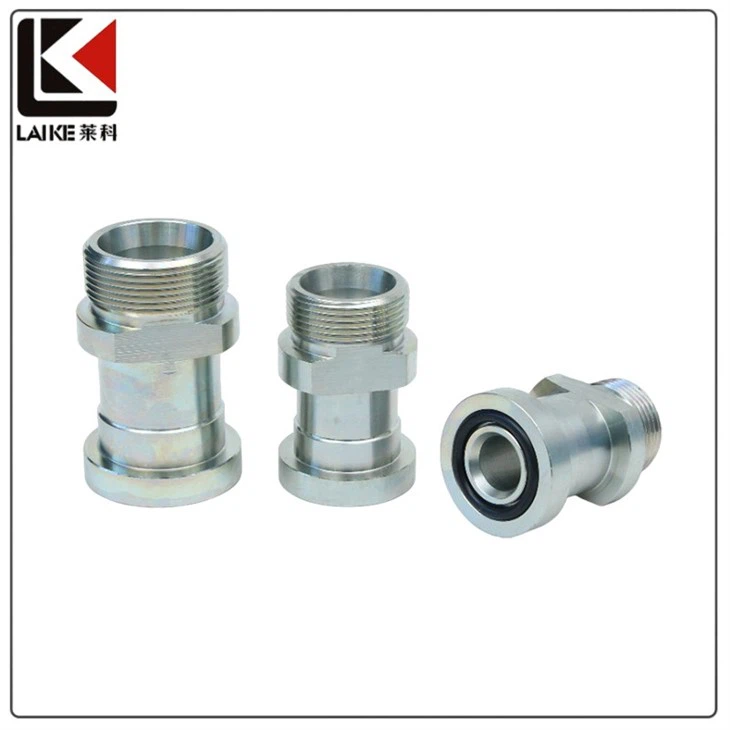
We offer a wide range of JIS fittings that are designed to meet the diverse needs of our customers. Our Hydraulic Flange Adapters are made of high-quality materials and are suitable for use with various hydraulic fluids and chemical solvents. Our BRITISH Adapter provide reliable connections in hydraulic and pneumatic systems, even in harsh chemical environments. And our Flange Joint are engineered for high-pressure applications and offer excellent resistance to chemical attack.
Conclusion
In conclusion, JIS fittings can be affected by chemical solvents, but the extent of the impact depends on various factors, including the material of the fittings, the type and concentration of the solvent, temperature, pressure, and the duration of exposure. By understanding these factors and conducting appropriate testing, it is possible to select and use JIS fittings that are compatible with the chemical solvents in a given application.
As a leading supplier of JIS fittings, we are committed to providing our customers with high-quality products and technical support. If you have any questions or need assistance in selecting the right fittings for your application, please feel free to contact us. We look forward to working with you to meet your fluid handling needs and ensure the success of your projects.
References
- "Corrosion Resistance of Metals and Alloys" by Robert Uhlig
- "Handbook of Chemical Resistance" by Carl L. Yaws
- "Fluid Power Technology" by Jack B. Parker