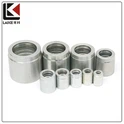
As a supplier of NPT Adapter Unions, I've received numerous inquiries about the ease of disassembling these crucial components. In the world of fluid systems, the ability to disassemble fittings efficiently can significantly impact maintenance, repair, and overall system performance. In this blog, we'll delve into the factors that determine whether NPT Adapter Unions are easy to disassemble, exploring the design, installation, and external influences that play a role.
Understanding NPT Adapter Unions
NPT, or National Pipe Taper, is a standard for tapered threads used in North America for plumbing and piping applications. NPT Adapter Unions are designed to connect two pipes or components with different thread sizes or types, allowing for a secure and leak - free connection. These unions typically consist of three parts: a male end, a female end, and a nut that holds the two ends together.
The tapered design of NPT threads is one of the key features that affects disassembly. The taper creates a tight seal as the threads are tightened, which is great for preventing leaks but can also make disassembly more challenging. When the threads are tightened, they can create a significant amount of friction, and in some cases, they may even gall or seize, making it difficult to turn the union apart.
Factors Affecting Disassembly
Installation Method
The way an NPT Adapter Union is installed has a major impact on how easy it will be to disassemble later. If the union is over - tightened during installation, the threads can become severely deformed, increasing the friction between the male and female parts. This can lead to a situation where a significant amount of force is required to break the connection. On the other hand, if the union is under - tightened, it may leak, but it will generally be easier to disassemble. However, proper tightening is crucial for a reliable connection, so finding the right balance is essential.
Thread Sealant
Thread sealants are commonly used with NPT Adapter Unions to enhance the seal and prevent leaks. While they are effective in this regard, they can also make disassembly more difficult. Some sealants are designed to be permanent or semi - permanent, which means they bond the threads together tightly. When it comes time to disassemble the union, these sealants may need to be softened or removed using solvents or heat. For example, anaerobic sealants cure in the absence of air and can form a strong bond between the threads. To disassemble a union with anaerobic sealant, heat may be required to break the bond.
Environmental Conditions
The environment in which the NPT Adapter Union operates can also affect its disassembly. In corrosive environments, such as those with high humidity, saltwater, or chemical exposure, the threads can corrode over time. Corrosion can cause the threads to rust or form a hard oxide layer, which can make it extremely difficult to turn the union apart. In some cases, the corrosion may be so severe that the union needs to be cut off. Temperature variations can also play a role. Extreme cold can cause the metal to contract, tightening the connection, while extreme heat can cause expansion, which may also affect the integrity of the connection and make disassembly more challenging.
Quality of the Union
The quality of the NPT Adapter Union itself is another important factor. High - quality unions are made from materials with good machinability and corrosion resistance. They are also manufactured to precise tolerances, which means the threads fit together properly. Cheaper, lower - quality unions may have poorly machined threads, which can lead to uneven tightening and increased friction during disassembly. Additionally, the material used can affect how well the union resists galling and corrosion. For example, stainless steel unions are generally more corrosion - resistant than brass unions, which can make them easier to disassemble in harsh environments.
Tips for Easy Disassembly
Proper Installation
As mentioned earlier, proper installation is key to easy disassembly. Use a torque wrench to ensure that the union is tightened to the recommended specifications. This will help prevent over - tightening and ensure a proper seal. It's also important to clean the threads before installation to remove any debris or contaminants that could affect the connection.
Selecting the Right Sealant
Choose a thread sealant that is appropriate for your application. If you anticipate needing to disassemble the union frequently, consider using a non - permanent sealant. There are many types of non - permanent sealants available, such as PTFE tape or pipe dope that can be easily removed.
Regular Maintenance
Regular maintenance can help prevent issues that make disassembly difficult. Inspect the unions periodically for signs of corrosion, leaks, or damage. If corrosion is detected, take steps to clean and protect the union. Lubricating the threads with a suitable lubricant can also reduce friction and make disassembly easier.


Using the Right Tools
Having the right tools is essential for disassembling NPT Adapter Unions. A pipe wrench or adjustable wrench can be used to grip the union, but make sure to use it carefully to avoid damaging the union. In some cases, a specialized tool may be required, especially if the union is seized or difficult to turn.
Related Products
If you're in the market for other types of hydraulic fittings, we also offer a wide range of products. Check out our METRIC Hydraulic Fittings, which are designed to meet the highest standards of quality and performance. Our Swivel Hose Fitting provides flexibility in fluid systems, allowing for easy movement and connection. And for those looking for a reliable and durable option, our FJX Hydraulic Fittings are a great choice.
Conclusion
In conclusion, whether NPT Adapter Unions are easy to disassemble depends on a variety of factors, including installation method, thread sealant, environmental conditions, and the quality of the union itself. By following proper installation procedures, selecting the right sealant, performing regular maintenance, and using the right tools, you can increase the likelihood of easy disassembly.
If you're interested in purchasing NPT Adapter Unions or any of our other hydraulic fittings, we encourage you to contact us for a detailed discussion about your specific requirements. Our team of experts is ready to assist you in finding the best solutions for your fluid system needs.
References
- "Handbook of Hydraulic Fittings" - A comprehensive guide on the design, installation, and maintenance of hydraulic fittings.
- "Pipe Fitting Handbook" - Covers the principles and practices of pipe fitting, including NPT threads and unions.
- Industry standards and specifications for NPT Adapter Unions, such as those set by ASME and ASTM.