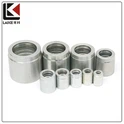
As a supplier of NPTF (National Pipe Taper Fuel) adapters, I often encounter inquiries from customers regarding the price differences among different brands of these essential components. NPTF adapters play a crucial role in various industries, including automotive, aerospace, and manufacturing, where they are used to connect pipes and tubes in fluid transfer systems. Understanding the factors that contribute to price variations can help customers make informed decisions when selecting the right adapter for their specific needs.
Factors Influencing Price Differences
1. Manufacturing Quality
One of the primary factors that can lead to price differences between brands is the quality of manufacturing. High - end brands typically invest more in advanced manufacturing processes, state - of - the - art machinery, and strict quality control measures. For example, some brands use precision machining techniques to ensure tight tolerances, which are essential for a proper seal in NPTF adapters. These adapters are less likely to leak, reducing the risk of system failures and downtime in industrial applications.
On the other hand, lower - cost brands may use more basic manufacturing methods that result in slightly looser tolerances. While these adapters may still function adequately in less demanding applications, they may not be suitable for high - pressure or high - precision systems. The cost of maintaining high - quality manufacturing standards is reflected in the price of the adapters.
2. Material Selection
The materials used in the production of NPTF adapters also significantly impact their price. High - quality brands often choose premium materials such as stainless steel, brass, or alloy steel. Stainless steel adapters, for instance, offer excellent corrosion resistance, making them ideal for applications in harsh environments, such as marine or chemical industries. Brass adapters are known for their good conductivity and malleability, which can be beneficial in electrical or plumbing applications.
In contrast, some budget - friendly brands may use lower - grade materials or a combination of materials that are more prone to corrosion and wear. These materials are generally less expensive, but they may have a shorter lifespan and require more frequent replacement. As a result, the initial savings on the purchase price may be offset by the long - term costs associated with maintenance and replacement.


3. Brand Reputation
Brand reputation is another important factor in determining the price of NPTF adapters. Well - established brands with a long history of providing reliable products often command a premium price. These brands have built trust with their customers over time through consistent quality, excellent customer service, and a proven track record of performance.
Customers are often willing to pay more for a brand they know and trust, as they believe they are getting a higher - quality product with fewer risks. In contrast, new or lesser - known brands may offer lower prices to attract customers and gain market share. However, customers may be more hesitant to purchase from these brands due to concerns about product quality and reliability.
4. Certification and Compliance
Many industries have strict regulations and standards that NPTF adapters must meet. Brands that invest in obtaining relevant certifications, such as ISO 9001 for quality management or specific industry - related certifications, may charge higher prices. These certifications ensure that the adapters have been tested and meet the required safety and performance standards.
For example, in the aerospace industry, NPTF adapters must comply with stringent safety and performance requirements. Adapters that are certified to meet these standards are more expensive due to the additional testing and documentation involved in the certification process. Brands that do not invest in certification may offer lower - priced adapters, but they may not be suitable for use in regulated industries.
Market Analysis of Price Differences
To illustrate the price differences between different brands of NPTF adapters, let's take a look at a market analysis. In a recent survey of the NPTF adapter market, we found that there was a wide range of prices for similar - sized adapters.
The high - end brands, known for their superior quality and brand reputation, had prices that were on average 30% to 50% higher than the budget brands. For example, a basic 1/2 - inch NPTF adapter from a well - known brand could cost around $15, while a similar adapter from a lesser - known brand might be available for as little as $10.
However, it's important to note that price is not always an indicator of quality. Some mid - range brands offer a good balance between price and performance. These brands may use high - quality materials and manufacturing processes but do not have the same brand recognition as the top - tier brands. As a result, they can offer competitive prices without sacrificing quality.
Choosing the Right NPTF Adapter
When choosing an NPTF adapter, it's essential to consider your specific application requirements. If you are working in a high - pressure, high - precision system, or in a harsh environment, it may be worth investing in a high - quality adapter from a reputable brand. These adapters may have a higher upfront cost, but they can save you money in the long run by reducing the risk of system failures and downtime.
On the other hand, if your application is less demanding and cost is a major concern, a budget - friendly adapter may be a suitable option. Just be sure to carefully evaluate the quality of the adapter and its suitability for your specific needs.
It's also a good idea to compare prices and features from different brands before making a decision. You can look for customer reviews and testimonials to get an idea of the performance and reliability of the adapters. Additionally, consider the availability of technical support and after - sales service, as these can be crucial in ensuring the proper installation and operation of the adapters.
Related Products and Their Price Considerations
In addition to NPTF adapters, there are other types of hydraulic adapters that you may also be interested in. For example, BSPT Adapter is another common type of adapter used in fluid transfer systems. BSPT adapters follow the British Standard Pipe Taper thread specification and are often used in European and Asian markets. The price differences between different brands of BSPT adapters follow similar patterns as NPTF adapters, with factors such as manufacturing quality, material selection, and brand reputation influencing the price.
Flange Joint is another important component in hydraulic systems. Flange joints are used to connect pipes or tubes in a way that allows for easy disassembly and maintenance. High - quality flange joints from well - known brands are generally more expensive due to their better sealing performance and durability.
Jis Fittings are designed according to the Japanese Industrial Standards. These fittings are commonly used in Japanese - made machinery and equipment. Similar to NPTF adapters, the price of Jis Fittings can vary depending on the brand, quality, and materials used.
Conclusion
In conclusion, there are indeed significant price differences between different brands of NPTF adapters. These differences are primarily due to factors such as manufacturing quality, material selection, brand reputation, and certification and compliance. When choosing an NPTF adapter, it's important to carefully consider your specific application requirements and balance the upfront cost with the long - term benefits.
If you are in the market for NPTF adapters or any of the related products such as BSPT Adapter, Flange Joint, or Jis Fittings, I encourage you to contact us for more information. We have a wide range of high - quality adapters and fittings at competitive prices. Our team of experts can help you select the right product for your needs and provide you with the technical support and after - sales service you deserve. Don't hesitate to reach out to us for a detailed consultation and to start the procurement process.
References
- "Hydraulic Adapter Handbook", Industry Press, 2022
- "Pipe Fitting Standards and Applications", Technical Publications Inc., 2021
- Market research report on NPTF adapters, Market Insights LLC, 2023