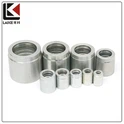
Hey there! As a supplier of NPT Adapter Union, I often get asked whether these nifty little components can be reused. Well, let's dive right into this topic and figure it out together.
First off, let's quickly understand what an NPT Adapter Union is. An NPT (National Pipe Taper) Adapter Union is a crucial part in hydraulic and piping systems. It's used to connect two pipes or components with NPT threads, allowing for a secure and leak - free connection. These unions are made from various materials like brass, stainless steel, and carbon steel, each with its own set of properties and applications.
Now, the big question: Can an NPT Adapter Union be reused? The answer isn't a simple yes or no; it depends on several factors.
Condition of the Threads
One of the most important aspects to consider is the condition of the threads. When you use an NPT Adapter Union for the first time, the threads are engaged and tightened. Over time, and especially if the union has been tightened and loosened multiple times, the threads can get damaged. Threads can wear down, become stripped, or develop burrs. If the threads are in good condition, with no signs of excessive wear, stripping, or damage, there's a good chance the union can be reused. However, if you notice any significant thread damage, reusing the union can lead to leaks and a less secure connection.
Sealing Integrity
Another key factor is the sealing integrity. NPT Adapter Unions rely on the tapered threads to create a seal. When you first install the union, the threads deform slightly to form a tight seal. Once you remove the union, this seal is broken. If the sealing surfaces are still in good shape, and there's no significant damage to the threads or the mating surfaces, you might be able to reuse the union. But keep in mind that the seal might not be as effective as the first time. Some people use thread sealants like Teflon tape or pipe dope to improve the sealing when reusing the union.


Type of Fluid and Pressure
The type of fluid flowing through the system and the operating pressure also play a role. If the system is handling high - pressure fluids or corrosive substances, the NPT Adapter Union is more likely to experience wear and tear. High - pressure applications can put a lot of stress on the threads and the sealing surfaces, increasing the risk of damage. In such cases, reusing the union might not be a good idea, as it could lead to leaks or even system failure.
Installation and Removal Process
How the NPT Adapter Union was installed and removed can also affect its reusability. If the union was installed correctly, using the right tools and torque, it's more likely to be reusable. However, if it was over - tightened or installed with improper tools, the threads and the union itself could be damaged. Similarly, a rough removal process, like using excessive force or the wrong tools, can also cause damage.
Reusing an NPT Adapter Union: Step - by - Step
If you've determined that your NPT Adapter Union is in good enough condition to be reused, here's a simple step - by - step guide:
- Inspection: Carefully examine the threads and the sealing surfaces for any signs of damage. Look for wear, stripping, burrs, or corrosion. If you find any significant damage, it's best to replace the union.
- Cleaning: Clean the union thoroughly to remove any dirt, debris, or old sealant. You can use a wire brush or a suitable cleaning solvent. Make sure to clean both the inside and outside of the union.
- Thread Repair (if necessary): If you notice minor burrs on the threads, you can use a thread file to smooth them out. However, if the threads are severely damaged, this step won't be enough, and you'll need to replace the union.
- Apply Sealant: If you're reusing the union, it's a good idea to apply a new thread sealant. You can use Teflon tape or pipe dope. Wrap the Teflon tape around the male threads in the direction of the thread, or apply the pipe dope evenly on the threads.
- Installation: Install the union using the correct torque. Over - tightening can damage the threads, while under - tightening can lead to leaks. Use a torque wrench if possible to ensure the correct torque is applied.
Alternatives to Reusing
If you're not sure about reusing an NPT Adapter Union, or if the union is clearly damaged, there are other options. You can consider using new NO Skive Ferrule fittings, which offer a different type of connection and sealing mechanism. These ferrules can provide a reliable and leak - free connection, especially in high - pressure applications. Another option is to use Plugs for BSP Thread if you need to block off a pipe or a component.
Conclusion
So, can an NPT Adapter Union be reused? It's possible, but it depends on the condition of the threads, the sealing integrity, the type of fluid and pressure in the system, and the installation and removal process. If you're confident that the union is in good condition, you can follow the steps mentioned above to reuse it safely. However, if you have any doubts, it's always better to replace the union with a new one to ensure the reliability and safety of your system.
As a supplier of NPT Adapter Union, I'm here to help you with all your fitting needs. Whether you're looking for new unions, ferrules, or plugs, I can provide you with high - quality products at competitive prices. If you're interested in purchasing any of our products or have any questions about reusing NPT Adapter Unions, feel free to reach out and start a procurement discussion. I'm more than happy to assist you in finding the right solutions for your hydraulic and piping systems.
References
- "Handbook of Hydraulic Fittings and Connectors"
- Industry standards and guidelines for NPT Adapter Unions.