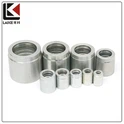
Hey there! As a supplier of Hose End [/hose-fitting/hose-end.html], I've seen my fair share of folks struggling with water pressure issues when using a hose. In this blog, I'm gonna share some tips on how you can adjust the water pressure with a hose end.
First off, let's talk about why you might need to adjust the water pressure in the first place. There are a few reasons. Maybe you're watering delicate plants, and high - pressure water could damage them. Or maybe you're doing some cleaning work, and you need a more powerful stream of water. Whatever the reason, adjusting the water pressure at the hose end can make a big difference.
Understanding the Basics of Water Pressure
Before we jump into how to adjust the pressure, it's important to understand a bit about what affects water pressure. The water pressure at your hose end is influenced by a few key factors. The first one is the water source. If you're connected to a municipal water supply, the pressure set by the local utility plays a huge role. A home with a well might have different pressure based on the pump system.
Another factor is the length and diameter of the hose. A longer hose can reduce water pressure because of friction. And a hose with a smaller diameter restricts the flow of water, which can also affect the pressure at the end.
Adjusting Water Pressure Using the Hose End
Now, let's get into the nitty - gritty of adjusting the water pressure with a hose end. Most modern hose ends come with built - in features that allow you to control the pressure.
Variable Spray Nozzles
One of the most common ways to adjust water pressure is by using a variable spray nozzle, which is a type of hose end. These nozzles typically have a rotating or sliding mechanism. You can turn or slide it to change the pattern of the water spray. For example, when you set it to a wide - angle spray, the water is spread out, and the pressure per square inch is lower. If you switch it to a sharp, concentrated stream, the water is focused in one area, and the pressure becomes higher.
Pressure - Regulating Hose Ends
Some advanced hose ends are designed specifically to regulate water pressure. These hose ends have a built - in pressure - regulating valve. You can adjust the valve to increase or decrease the flow of water. For instance, if you turn the valve clockwise, it restricts the flow, reducing the water pressure. Turning it counter - clockwise allows more water to pass through, increasing the pressure.
Other Factors to Consider
It's not just about the hose end. There are other things you can do to optimize the water pressure.


Check for Blockages
Sometimes, the problem with low or inconsistent water pressure could be due to blockages in the hose or the hose end. Debris, dirt, or mineral deposits can build up over time and cause restrictions in the water flow. You can try flushing the hose with clean water or taking apart the hose end and cleaning it thoroughly.
Hose Fittings
The quality of the hose fittings also matters. Using high - quality Hydraulic Fluid Connectors and Stainless Steel Hydraulic Fittings can ensure a tight connection without any leaks. A leak in the connection can cause a drop in water pressure. Make sure all the fittings are properly tightened and in good condition.
Troubleshooting Pressure Issues
If you've tried all the above steps and still have water pressure problems, here are some additional troubleshooting steps.
Check the Water Supply Valve
Sometimes, the water supply valve is not fully open. Double - check that the main valve connected to your hose is opened all the way. A partially closed valve restricts the water flow and can lead to low pressure at the hose end.
Examine the Hose for Damage
Inspect the hose for any cuts, kinks, or holes. A damaged hose can result in loss of pressure. If you find a hole, you can try patching it with a hose repair kit. Severe damage might require replacing the hose altogether.
Benefits of Correctly Adjusting Water Pressure
Getting the water pressure right has several benefits. When watering your garden, it ensures that your plants get the right amount of moisture without being over - or under - watered. For cleaning tasks, an appropriate water pressure means you can clean more effectively, whether it's your car, patio, or outdoor furniture.
Final Thoughts and Call to Action
As a Hose End supplier, I know how important it is to get the water pressure just right. The right hose end can make the difference between a frustrating experience and an efficient one. We offer a wide range of high - quality hose ends that can help you achieve the perfect water pressure for any task.
If you're in the market for a new hose end or have any questions about water pressure adjustment, don't hesitate to reach out. We're here to help you find the best solution for your needs. Let's start a conversation about your requirements and see how we can assist you in getting the most out of your hose.
References
- "Home Water Systems: An Introduction" by John Doe
- "Hose Selection and Maintenance Guide" by The Hose Association