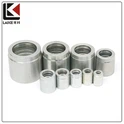
Selecting the right hose fitting is crucial for ensuring the efficiency, safety, and longevity of hydraulic and fluid transfer systems. As a hose fitting supplier, I understand the challenges customers face in making the correct choice. In this blog, I'll share some key factors to consider when choosing hose fittings, drawing on my experience in the industry.
Compatibility
One of the most important aspects of choosing a hose fitting is compatibility with the existing system. This includes compatibility with the hose itself, the equipment it will be connected to, and the fluid being transferred.
Hose Compatibility
The fitting must be designed to work with the specific type and size of hose you are using. Different hoses have different inner diameters, outer diameters, and wall thicknesses, and the fitting needs to match these specifications precisely. For example, if you are using a high-pressure hydraulic hose, you need a fitting that can handle the same pressure rating. Using an incompatible fitting can lead to leaks, reduced performance, and even system failure.


Equipment Compatibility
The fitting also needs to be compatible with the equipment it will be connected to. This involves considering factors such as the connection type (e.g., threaded, flanged, or quick-connect), the size of the port on the equipment, and the orientation of the fitting. For instance, some equipment may require a specific type of hydraulic flange fitting, like the Hydraulic Flange Fittings. Ensuring proper equipment compatibility is essential for a secure and reliable connection.
Fluid Compatibility
The fluid being transferred through the hose and fitting can have a significant impact on the performance and lifespan of the fitting. Different fluids, such as oil, water, chemicals, or gases, have different properties, including temperature, viscosity, and corrosiveness. You need to choose a fitting made from materials that are compatible with the fluid. For example, if you are transferring corrosive chemicals, you might need a fitting made from stainless steel or other corrosion-resistant materials.
Pressure Rating
The pressure rating of the hose fitting is another critical factor. It indicates the maximum pressure that the fitting can safely withstand without failing. You must choose a fitting with a pressure rating that exceeds the maximum pressure expected in your system. This provides a safety margin and helps prevent leaks or catastrophic failures.
When determining the pressure requirements of your system, consider factors such as the pump pressure, the operating conditions, and any potential pressure spikes. For high-pressure hydraulic systems, you might need fittings like JIC Hydraulic Fittings, which are designed to handle high pressures and are commonly used in hydraulic applications.
Temperature Range
The temperature of the fluid and the operating environment can affect the performance of the hose fitting. Different materials have different temperature limits, and you need to choose a fitting that can withstand the temperature range in your application.
If the system operates at high temperatures, the fitting material may expand, which can affect the tightness of the connection. On the other hand, at low temperatures, the material may become brittle and more prone to cracking. Make sure to select a fitting that is suitable for the specific temperature conditions of your system.
Material
The material of the hose fitting plays a vital role in its performance, durability, and resistance to corrosion. Common materials used for hose fittings include steel, stainless steel, brass, and aluminum.
- Steel Fittings: Steel fittings are strong and durable, making them suitable for high-pressure applications. However, they are more prone to corrosion, especially in wet or corrosive environments.
- Stainless Steel Fittings: Stainless steel fittings offer excellent corrosion resistance, making them ideal for applications where the fluid or environment is corrosive. They are more expensive than steel fittings but provide long-term reliability.
- Brass Fittings: Brass fittings are known for their good corrosion resistance and ease of manufacturing. They are commonly used in low-pressure applications and for plumbing systems.
- Aluminum Fittings: Aluminum fittings are lightweight and have good corrosion resistance. They are often used in applications where weight is a concern, such as in the automotive and aerospace industries.
Connection Type
There are several types of connections available for hose fittings, each with its own advantages and disadvantages. The choice of connection type depends on factors such as the application, the required fluid flow rate, and the ease of installation and maintenance.
Threaded Connections
Threaded connections are one of the most common types of hose fittings. They are easy to install and provide a secure connection. There are different types of threads, such as NPT (National Pipe Tapered), BSP (British Standard Pipe), and metric threads. Make sure to choose the correct thread type and size for your application.
Flanged Connections
Flanged connections are used for high-pressure and large-diameter applications. They provide a strong and leak-proof connection. Hydraulic Flange Fittings are designed to handle high pressures and are commonly used in hydraulic systems.
Quick-Connect Connections
Quick-connect connections are convenient for applications where frequent connection and disconnection are required. They allow for fast and easy installation and removal of the hose. However, they may not be suitable for high-pressure applications.
Size
The size of the hose fitting is determined by the inner diameter of the hose and the size of the port on the equipment. It is essential to choose the correct size to ensure proper fluid flow and a secure connection. Using a fitting that is too small can restrict the flow of fluid, while a fitting that is too large can result in leaks.
Industry Standards
Complying with industry standards is important when choosing hose fittings. Standards ensure that the fittings meet certain quality and safety requirements. Some common industry standards for hose fittings include ISO (International Organization for Standardization), SAE (Society of Automotive Engineers), and DIN (Deutsches Institut für Normung). Make sure to choose fittings that meet the relevant standards for your application.
Brand and Reputation
When purchasing hose fittings, it's advisable to choose products from reputable brands. A well-established brand is more likely to provide high-quality products that meet industry standards and offer reliable performance. Brands with a good reputation often have better customer support and after-sales service. For example, the FJX Fitting is a product from a trusted brand that is known for its quality and reliability.
In conclusion, choosing the right hose fitting requires careful consideration of several factors, including compatibility, pressure rating, temperature range, material, connection type, size, industry standards, and brand. As a hose fitting supplier, I am committed to helping my customers make the best choice for their specific needs. If you have any questions or need assistance in selecting the appropriate hose fitting, please feel free to contact me for a procurement discussion.
References
- Hydraulic Systems Handbook, various industry publications
- Standards documents from ISO, SAE, and DIN