As a supplier of hose ends, I often get asked how to ensure a tight seal with a hose end. It's a crucial question because a proper seal is essential for the efficient and safe operation of any hose system. In this blog, I'll share some tips and tricks that I've picked up over the years to help you achieve that perfect seal.
Understanding the Basics
First things first, let's talk about the key components involved in creating a tight seal with a hose end. You've got the hose itself, the hose end fitting, and the method of connection. Each of these plays a vital role in ensuring a leak - free seal.
The hose material matters a lot. Different hoses are made from various materials like rubber, thermoplastics, or metal. Each material has its own properties, such as flexibility, chemical resistance, and pressure tolerance. You need to choose a hose that is compatible with the fluid or gas it will be carrying and the environment it will be in.
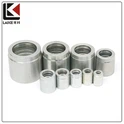
The hose end fitting is equally important. There are different types of fittings available, including Stainless Steel Hydraulic Fittings, Steel Hydraulic Fittings, and FJX Fitting. Stainless steel fittings are great for applications where corrosion resistance is a must, while steel fittings are often more cost - effective for general use. FJX fittings have their own unique design features that make them suitable for specific types of hoses and applications.


Preparation is Key
Before you start connecting the hose end, you need to prepare both the hose and the fitting.
Hose Preparation
- Cutting the Hose: Use a sharp hose cutter to make a clean, straight cut. A jagged or uneven cut can prevent a proper seal. Make sure the cut is perpendicular to the axis of the hose.
- Cleaning the Hose: Remove any dirt, debris, or oil from the inside and outside of the hose end. You can use a clean cloth and a suitable solvent if necessary. This ensures that there are no contaminants that could interfere with the seal.
Fitting Preparation
- Inspection: Check the fitting for any damage, such as dents, scratches, or burrs. A damaged fitting won't create a good seal. If you find any issues, replace the fitting.
- Lubrication: In some cases, applying a small amount of lubricant to the fitting can make it easier to insert into the hose and help create a better seal. However, make sure to use a lubricant that is compatible with the hose and the fluid it will carry.
Connection Methods
There are several ways to connect a hose end to the hose, and the method you choose depends on the type of hose, fitting, and application.
Crimping
Crimping is one of the most common methods. It involves using a crimping machine to compress the fitting onto the hose. The key to a good crimp is to use the right crimping die for the specific hose and fitting combination. The crimping machine should be calibrated correctly to ensure that the fitting is compressed to the proper dimensions. If the crimp is too loose, the fitting may come off or leak. If it's too tight, it can damage the hose.
Clamping
Clamping is another option, especially for lower - pressure applications. You can use hose clamps to secure the fitting to the hose. Make sure to choose the right size of clamp and tighten it evenly. Over - tightening can damage the hose, while under - tightening will result in a leak.
Threaded Connections
Threaded connections are used when the fitting has threads. You need to make sure that the threads are clean and free of debris. Apply a thread sealant, such as Teflon tape or pipe dope, to the threads before making the connection. This helps to prevent leaks by filling in the gaps between the threads.
Testing the Seal
Once you've connected the hose end, it's important to test the seal. You can do a simple visual inspection first to check for any obvious signs of leakage. Then, you can perform a pressure test.
- Low - Pressure Testing: For low - pressure systems, you can use a hand pump to apply a small amount of pressure and check for leaks. Look for any bubbles or drips around the connection.
- High - Pressure Testing: For high - pressure systems, you'll need a more sophisticated pressure testing setup. Make sure to follow all safety procedures when performing high - pressure tests.
Maintenance and Monitoring
Even after you've achieved a tight seal, it's important to maintain and monitor the hose system.
- Regular Inspections: Check the hose and fittings regularly for signs of wear, damage, or leakage. Look for any cracks, bulges, or loose connections.
- Replacement: If you notice any issues, replace the damaged parts immediately. Don't wait until a small problem turns into a big one.
Conclusion
Ensuring a tight seal with a hose end is a combination of choosing the right components, proper preparation, using the correct connection method, testing, and regular maintenance. As a hose end supplier, I'm here to help you with all your hose end needs. Whether you need advice on which fitting to choose or assistance with installation, I've got you covered.
If you're in the market for high - quality hose ends and fittings, don't hesitate to reach out. We have a wide range of products, including Stainless Steel Hydraulic Fittings, Steel Hydraulic Fittings, and FJX Fitting, to meet your specific requirements. Contact us today to start a discussion about your project and let's work together to ensure a perfect seal every time.
References
- "Hose Fitting Handbook" - Industry publication on hose fittings and their applications.
- "Fluid Power Systems: Design and Analysis" - A textbook covering various aspects of fluid power systems, including hose connections.