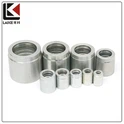
As a supplier of NPT Adapters, I am often asked about how these essential components connect to pipes. In this blog, I will delve into the details of the connection process, providing you with a comprehensive understanding of how NPT Adapters work and how they can be effectively used in various piping systems.
Understanding NPT Adapters
NPT, which stands for National Pipe Tapered, is a U.S. standard for tapered threads used on pipes and fittings. NPT Adapters are designed to connect different types of pipes or components, allowing for a secure and leak - tight connection. The taper of the NPT threads is 1/16 inch per inch of length, which means that as the adapter is tightened into the pipe, the threads compress against each other, creating a seal.
Preparation for Connection
Before connecting an NPT Adapter to a pipe, several preparatory steps are necessary. First, you need to ensure that both the adapter and the pipe are clean. Any dirt, debris, or rust on the threads can prevent a proper seal and may even cause damage to the threads during installation. Use a wire brush or a specialized thread cleaner to remove any contaminants from the threads.
Next, check the thread size of both the adapter and the pipe. NPT threads come in various sizes, and it is crucial to match the size of the adapter to the size of the pipe. Using an incorrect size can lead to a loose or overly tight connection, both of which can result in leaks.


Applying Thread Sealant
One of the key steps in connecting an NPT Adapter to a pipe is applying a thread sealant. Thread sealants are used to fill the gaps between the threads, preventing fluid or gas from leaking out. There are several types of thread sealants available, including Teflon tape, pipe dope, and anaerobic sealants.
- Teflon Tape: Teflon tape, also known as plumber's tape, is a popular choice for sealing NPT threads. It is easy to use and provides a good seal. To apply Teflon tape, wrap it around the male threads in a clockwise direction. Make sure to wrap the tape tightly and evenly, covering all the threads. Usually, 2 - 3 wraps are sufficient for most applications.
- Pipe Dope: Pipe dope is a thick, paste - like substance that is applied to the threads. It is more viscous than Teflon tape and can provide a more durable seal, especially in high - pressure applications. Apply the pipe dope to the male threads using a brush or your finger, making sure to cover all the threads evenly.
- Anaerobic Sealants: Anaerobic sealants are liquid sealants that cure in the absence of air. They are ideal for applications where a high - strength, leak - proof seal is required. Apply the anaerobic sealant to the male threads, and then assemble the adapter and the pipe. The sealant will cure within a few minutes to hours, depending on the specific product.
Making the Connection
Once the thread sealant is applied, it's time to connect the NPT Adapter to the pipe. Insert the male end of the adapter into the female end of the pipe. Use a wrench or a suitable tool to tighten the adapter. It is important to tighten the adapter gradually and evenly. Over - tightening can damage the threads, while under - tightening can result in a leak.
As you tighten the adapter, you will notice that the taper of the threads causes them to compress against each other. This compression creates a seal that prevents the leakage of fluids or gases. Keep tightening until you feel significant resistance, but be careful not to overtighten.
Types of NPT Adapter Connections
There are different types of connections that NPT Adapters can be used for:
- Direct Pipe - to - Pipe Connection: In this case, an NPT Adapter is used to connect two pipes of the same or different materials. For example, you can use an NPT Adapter to connect a steel pipe to a plastic pipe.
- Connection to Valves or Fittings: NPT Adapters can also be used to connect pipes to valves, pumps, or other fittings. This allows for the easy installation and replacement of these components in a piping system.
- Flange Joint: In some applications, NPT Adapters can be used in conjunction with flange joints. Flange joints provide a strong and reliable connection, especially in high - pressure systems. The NPT Adapter can be used to connect the pipe to the flange, ensuring a proper seal.
Compatibility with Other Adapter Types
NPT Adapters can sometimes be used in combination with other types of adapters. For example, BRITISH Adapter may be used in systems where there is a need to connect NPT - threaded components to British - standard threaded components. Additionally, Hydraulic Fitting Adapters can be used in hydraulic systems to connect NPT - threaded pipes or components to other hydraulic fittings.
Troubleshooting Connection Issues
Even with proper installation, connection issues may still arise. If you notice a leak after connecting an NPT Adapter to a pipe, the first step is to check the tightness of the connection. Use a wrench to gently tighten the adapter a little more, but be careful not to overtighten.
If tightening the adapter does not solve the problem, the issue may be with the thread sealant. Check if the sealant was applied correctly and if it has dried or cured properly. You may need to remove the adapter, clean the threads, and re - apply the sealant.
In some cases, the threads themselves may be damaged. Inspect the threads for any signs of wear, corrosion, or damage. If the threads are damaged, you may need to replace the adapter or the pipe.
Conclusion
Connecting NPT Adapters to pipes is a crucial process in many piping systems. By following the proper steps of preparation, applying the right thread sealant, and making a correct connection, you can ensure a secure and leak - tight connection. As a supplier of NPT Adapters, I offer a wide range of high - quality products that are suitable for various applications.
If you are in need of NPT Adapters for your projects, I invite you to reach out to me for more information and to discuss your specific requirements. Whether you are working on a small plumbing project or a large industrial installation, I can provide you with the right NPT Adapters and the expertise to ensure a successful connection.
References
- "Pipe Fittings Handbook" by O. P. Khanna
- "Handbook of Hydraulic Engineering" by Ven Te Chow