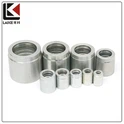
Selecting the appropriate BSPT (British Standard Pipe Taper) adapter for your application is a critical decision that can significantly impact the performance and reliability of your hydraulic or pneumatic systems. As a BSPT Adapter supplier, I understand the challenges and considerations involved in this process. In this blog, I will guide you through the key factors to consider when choosing the right BSPT adapter for your specific needs.
Understanding BSPT Adapters
Before delving into the selection process, it's essential to have a clear understanding of what BSPT adapters are. BSPT is a standard for tapered threads used in plumbing and hydraulic applications, primarily in the United Kingdom and other countries that follow British standards. These adapters are designed to connect pipes, hoses, and other components in a secure and leak - free manner.
BSPT adapters come in various shapes, sizes, and configurations, including straight, elbow, tee, and cross adapters. They can also have different end connections, such as male and female threads, to accommodate different types of components in your system.


Factors to Consider When Choosing a BSPT Adapter
1. Application Requirements
The first step in choosing the right BSPT adapter is to understand the specific requirements of your application. This includes the type of fluid or gas that will be flowing through the system (e.g., water, oil, air), the operating pressure, and the temperature range. For example, if you are working with a high - pressure hydraulic system, you will need an adapter that can withstand the pressure without leaking or failing.
If your application involves corrosive fluids, you should choose an adapter made from a corrosion - resistant material such as stainless steel or brass. On the other hand, if the system operates at high temperatures, you need to select an adapter that can maintain its integrity and performance under those conditions.
2. Thread Size and Type
The thread size and type are crucial factors in ensuring a proper fit between the adapter and the components it connects. BSPT threads have a specific taper angle and pitch, which must match the threads of the pipes or hoses you are using. It's important to measure the existing threads accurately or refer to the specifications of your equipment to determine the correct thread size.
In addition to the size, you also need to consider the type of thread connection. BSPT threads are tapered, which means they form a seal by compressing the threads together. However, you may also encounter parallel threads (BSPP) in some applications. Make sure to choose an adapter with the appropriate thread type to ensure a secure and leak - free connection.
3. Adapter Configuration
The configuration of the adapter depends on how you need to connect the components in your system. Straight adapters are used for simple in - line connections, while elbow adapters are useful for changing the direction of the flow. Tee and cross adapters are used when you need to split or combine the flow.
Consider the available space in your system and the layout of the components when choosing the adapter configuration. For example, if you have limited space, a compact elbow adapter may be more suitable than a straight adapter.
4. Material Compatibility
The material of the BSPT adapter should be compatible with the fluid or gas in your system, as well as the other components it will be connected to. Common materials for BSPT adapters include brass, stainless steel, and carbon steel.
Brass is a popular choice due to its good corrosion resistance, machinability, and relatively low cost. Stainless steel is more corrosion - resistant and is suitable for applications where the fluid is highly corrosive or where hygiene is a concern. Carbon steel is strong and durable but may require additional protection against corrosion in some environments.
5. Quality and Certification
When choosing a BSPT adapter, it's important to ensure that it meets the relevant quality standards and certifications. Look for adapters that are manufactured in accordance with international standards such as ISO, DIN, or ASME. These standards ensure that the adapter has been tested and meets the required performance and safety criteria.
Certification also provides assurance that the adapter has been manufactured using high - quality materials and processes. For example, an adapter with a CE certification indicates that it complies with the essential health and safety requirements of the European Union.
Comparing BSPT Adapters with Other Types of Adapters
It's also useful to compare BSPT adapters with other types of adapters commonly used in hydraulic and pneumatic systems. For example, NPT Adapters are widely used in North America. NPT threads are also tapered, but they have a different taper angle and pitch compared to BSPT threads. This means that NPT adapters are not directly interchangeable with BSPT adapters, and you need to use appropriate conversion adapters if you need to connect components with different thread types.
Another type of adapter is the JIC To JIC Adapter. JIC (Joint Industry Council) fittings are commonly used in hydraulic systems in the United States. They have a 37 - degree flare seat and are known for their high - pressure performance and reliability. While JIC adapters are not related to BSPT threads, they may be used in combination with BSPT adapters in some complex systems.
Where to Find the Right BSPT Adapter
As a BSPT Adapter supplier, we offer a wide range of high - quality BSPT adapters to meet the diverse needs of our customers. Our adapters are available in various sizes, configurations, and materials, and they are all manufactured to the highest quality standards.
You can browse our selection of BSPT Adapter on our website to find the right adapter for your application. Our team of experts is also available to provide you with technical support and advice to help you make the best choice.
Conclusion
Choosing the right BSPT adapter for your application requires careful consideration of several factors, including application requirements, thread size and type, adapter configuration, material compatibility, and quality. By understanding these factors and comparing different options, you can ensure that you select an adapter that will provide a secure, leak - free connection and reliable performance in your system.
If you have any questions or need further assistance in choosing the right BSPT adapter, please don't hesitate to contact us. We are here to help you with your procurement needs and ensure that you get the best solution for your application.
References
- ISO Standards for Pipe Threads
- DIN Standards for Hydraulic Fittings
- ASME Standards for Piping and Pressure Vessels