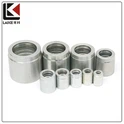
Hey there! As a tube fitting supplier, I've seen all sorts of folks scratching their heads when it comes to picking the right tube fitting. It's not as simple as it might seem at first glance, but don't worry - I'm here to break it down for you in plain English.
First things first, let's talk about why choosing the right tube fitting matters. A wrong fitting can lead to all sorts of problems, like leaks, system failures, and even safety hazards. So, getting it right from the start can save you a whole lot of headaches and money in the long run.
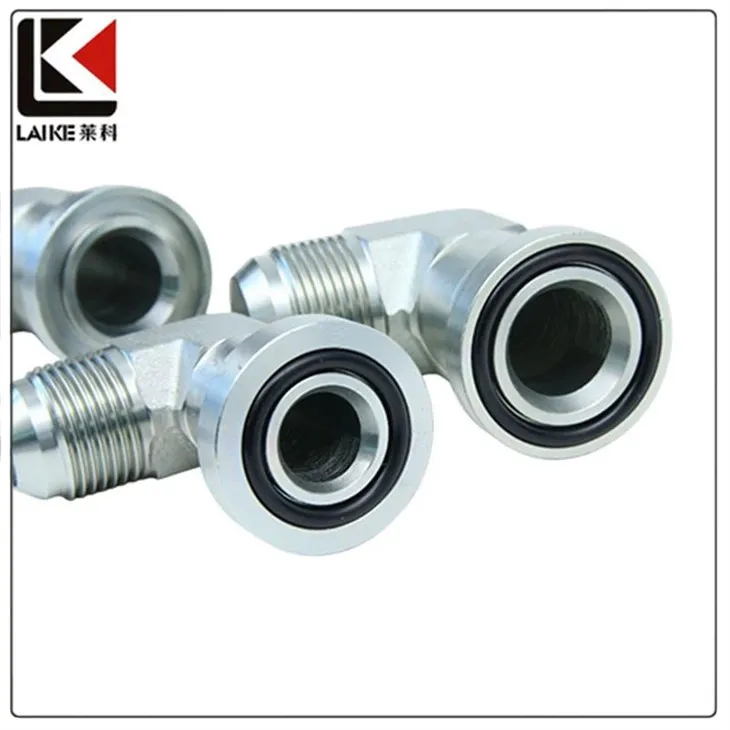
Material Matters
One of the first things you need to consider is the material of the tube fitting. Different materials have different properties, and you need to pick one that suits your specific application.

- Stainless Steel: This is a popular choice because it's corrosion-resistant. If your system is exposed to moisture, chemicals, or harsh environments, stainless steel fittings are a great option. They can handle high pressures and temperatures too. For example, in marine applications or chemical processing plants, stainless steel fittings are often the go-to.
- Brass: Brass fittings are known for their good conductivity and ease of machining. They're also relatively inexpensive. You'll often find them in plumbing systems or low-pressure applications. However, they're not as corrosion-resistant as stainless steel, so they might not be suitable for long-term use in corrosive environments.
- Carbon Steel: Carbon steel fittings are strong and can handle high pressures. They're commonly used in industrial applications where strength is the top priority. But they're prone to rust, so they usually need some form of coating or protection.
Size and Thread Type
Another crucial factor is the size and thread type of the tube fitting. You need to make sure that the fitting you choose matches the size of your tubes and the thread type of your equipment.
- Size: The size of the fitting is usually specified by the outer diameter (OD) or the inner diameter (ID) of the tube it's designed to connect. Make sure you measure your tubes accurately before making a purchase. Using the wrong size fitting can lead to leaks or a poor connection.
- Thread Type: There are several different thread types out there, such as NPT (National Pipe Thread), BSP (British Standard Pipe), and metric threads. Each thread type has its own characteristics and is used in different regions and industries. For example, NPT threads are commonly used in North America, while BSP threads are more popular in Europe. You can check out our NPTF Adapter for more information on NPTF thread types.
Application-Specific Considerations
Your specific application will also play a big role in determining the right tube fitting. Here are some common applications and the types of fittings that work best for them:

- Hydraulic Systems: In hydraulic systems, you need fittings that can handle high pressures and prevent leaks. JIC (Joint Industry Council) fittings are a popular choice because they provide a reliable, leak-free connection. You can take a look at our JIC To JIC Adapter if you're working on a hydraulic system.
- Pneumatic Systems: Pneumatic systems use compressed air, so you need fittings that can seal well and handle the flow of air. Push-to-connect fittings are often used in pneumatic systems because they're easy to install and remove.
- Chemical Processing: In chemical processing plants, you need fittings that are resistant to the chemicals being used. Stainless steel or specialized plastic fittings are often used in these applications.
Pressure and Temperature Ratings
Don't forget to consider the pressure and temperature ratings of the tube fitting. Every fitting has a maximum pressure and temperature it can handle, and you need to make sure that your application stays within these limits.
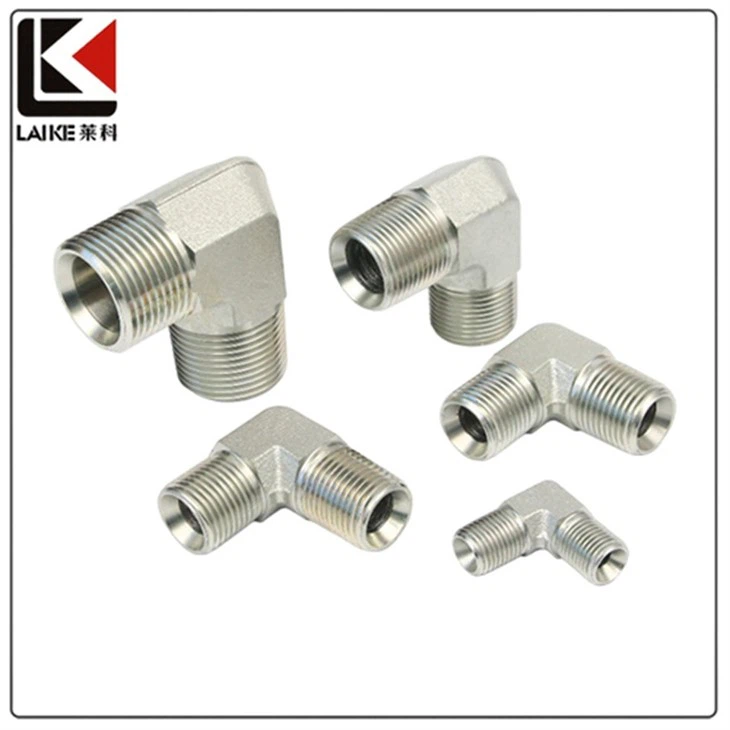
- Pressure Rating: The pressure rating of a fitting is usually specified in pounds per square inch (psi) or bar. Make sure the fitting you choose can handle the maximum pressure your system will experience.
- Temperature Rating: The temperature rating is important too, especially if your system operates in extreme temperatures. Some materials can become brittle or lose their strength at high temperatures, so make sure the fitting you choose is suitable for the temperature range of your application.
Compatibility with Other Components
Finally, you need to make sure that the tube fitting is compatible with the other components in your system. This includes the tubes, valves, and other fittings.
- Tube Compatibility: The fitting needs to fit securely onto the tube without causing any damage. Make sure the material and size of the fitting are compatible with the tube.
- Valve and Fitting Compatibility: If you're using valves or other fittings in your system, make sure they can be connected to the tube fitting you've chosen. Check the thread type and size to ensure a proper fit.
Conclusion
Choosing the right tube fitting might seem like a daunting task, but if you consider the factors I've mentioned above - material, size, thread type, application, pressure and temperature ratings, and compatibility - you'll be well on your way to making the right choice.
At our company, we offer a wide range of tube fittings, including Kumatsu Adapter, NPTF Adapter, and JIC To JIC Adapter. If you're still not sure which fitting is right for your application, don't hesitate to reach out to us. We're here to help you find the perfect solution for your needs. Whether you're a DIY enthusiast or a professional in the industry, we can provide you with the expertise and products you need. So, let's get in touch and start discussing your tube fitting requirements today!
References
- ASME B16.11 - Forged Fittings, Socket-Welding and Threaded
- ISO 8434 - Hydraulic fluid power - Connectors
- Parker Hannifin Corporation - Tube Fitting Handbook