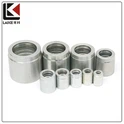
Hey there! As a supplier of NPT Adapters, I've seen firsthand the importance of using these fittings safely. NPT, or National Pipe Taper, adapters are widely used in various industries for connecting pipes and tubes. But like any piece of equipment, they need to be handled correctly to avoid potential hazards. So, let's dive into how you can ensure the safety of using NPT Adapters.
Understanding NPT Adapters
First things first, it's crucial to understand what NPT Adapters are. They're designed to create a tight seal between pipes by using a tapered thread. This taper helps to form a leak - resistant connection as the threads are tightened. But there's more to it than just screwing them together.
The NPT standard has specific thread dimensions and angles. Using non - standard or incorrectly sized adapters can lead to leaks, which can be dangerous, especially when dealing with pressurized fluids or gases. For instance, in a hydraulic system, a leak can cause a loss of pressure, leading to equipment malfunction.
Inspection Before Installation
Before you even think about installing an NPT Adapter, you need to inspect it thoroughly. Check for any visible signs of damage, such as cracks, dents, or stripped threads. A damaged adapter won't create a proper seal, and it could fail under pressure.
Also, make sure the adapter is the right size and type for your application. There are different types of NPT Adapters, like straight - to - tapered or tapered - to - tapered. Using the wrong type can result in a poor connection. You can find a wide range of American Adapter options on our website American Adapter.
Proper Installation
Installation is where a lot of safety issues can arise. Here are some key steps to follow:


Cleaning the Threads
Before installing the adapter, clean the threads of both the adapter and the pipe. Any dirt, debris, or old sealant can prevent a proper seal. You can use a wire brush or a thread cleaner to remove any contaminants.
Using Sealant
Applying a suitable sealant is essential for creating a leak - free connection. There are different types of sealants available, such as Teflon tape or pipe dope. Teflon tape is easy to use; just wrap it around the male threads in a clockwise direction. Make sure to overlap the tape slightly and don't wrap it too tightly. Pipe dope, on the other hand, is a liquid or paste that you apply to the threads. It fills in the gaps between the threads and provides a better seal.
Tightening the Adapter
When tightening the NPT Adapter, use the right tools. A pipe wrench or a socket wrench is typically used. But be careful not to over - tighten. Over - tightening can damage the threads or even crack the adapter. You should tighten the adapter until it's snug, and then give it a quarter - turn or so. This will create a good seal without causing damage.
Pressure Considerations
One of the most important aspects of using NPT Adapters safely is understanding the pressure requirements of your system. Each adapter has a maximum pressure rating, and you should never exceed it.
If you're working with a high - pressure system, you might need to use special adapters designed for high - pressure applications. Hydraulic Flange Adapters, for example, are suitable for high - pressure hydraulic systems. You can learn more about them on our website Hydraulic Flange Adapters.
Before putting the system into operation, test the pressure gradually. This allows you to check for any leaks or other issues before the system reaches its full operating pressure.
Regular Maintenance
Safety doesn't end after installation. Regular maintenance is crucial for ensuring the long - term safety of using NPT Adapters.
Visual Inspections
Periodically inspect the adapters for any signs of wear, corrosion, or leaks. Look for any discoloration, which could indicate a leak or a chemical reaction. If you notice any problems, replace the adapter immediately.
Checking the Seal
Over time, the sealant can break down, leading to leaks. Check the seal around the adapter regularly. If the seal looks damaged or worn, reapply the sealant or replace the adapter.
Pressure Testing
Conduct regular pressure tests to make sure the system is still operating within the safe pressure limits. This can help you detect any potential issues before they become major problems.
Training and Education
If you're working in a professional setting, make sure all the employees who handle NPT Adapters are properly trained. They should understand the installation process, the importance of safety, and how to perform maintenance tasks.
Training can also help employees recognize the signs of a potential problem. For example, they should know what to look for if they suspect a leak or a damaged adapter.
Compatibility
Another important factor is compatibility. Make sure the NPT Adapter is compatible with the fluid or gas that will be flowing through it. Different materials have different chemical resistances. For example, some adapters are made of brass, which is suitable for many applications, but it might not be compatible with certain chemicals.
If you're not sure about the compatibility, consult with a professional or refer to the manufacturer's specifications.
Storage
Proper storage of NPT Adapters is also important for maintaining their safety. Store them in a clean, dry place away from direct sunlight and extreme temperatures. Exposure to moisture can cause corrosion, and high temperatures can damage the adapter or the sealant.
Flange Joint Considerations
In some applications, you might be using NPT Adapters in conjunction with flange joints. Flange joints are used to connect pipes or equipment and provide a more secure and leak - free connection.
When using NPT Adapters with flange joints, make sure the flange joint is properly installed and tightened. A loose flange joint can cause leaks and other safety issues. You can find more information about flange joints on our website Flange Joint.
Conclusion
Ensuring the safety of using NPT Adapters is a multi - step process that involves proper inspection, installation, maintenance, and training. By following these guidelines, you can minimize the risk of leaks, failures, and other safety hazards.
If you're in the market for high - quality NPT Adapters or need more information about our products, don't hesitate to reach out. We're here to help you find the right solutions for your needs and ensure the safety of your operations. Contact us today to start a purchase negotiation and get the best NPT Adapters for your applications.
References
- ASME B1.20.1 - Pipe Threads, General Purpose (Inch)
- Manufacturer's specifications for NPT Adapters