Hey there! As a supplier of SAE flange adapters, I've seen firsthand how crucial it is to identify high - quality ones. In this blog, I'll share some tips on how you can tell if an SAE flange adapter is top - notch.
1. Material Quality
The first thing you need to look at is the material. High - quality SAE flange adapters are usually made from durable materials that can withstand high pressure and harsh environments.
- Stainless Steel: This is a popular choice because it's corrosion - resistant. Stainless steel adapters are great for applications where there's exposure to moisture, chemicals, or saltwater. For example, in marine hydraulic systems, stainless steel SAE flange adapters are a must. They won't rust easily, which means they'll last longer and perform better. You can check the grade of the stainless steel. Higher grades, like 316 stainless steel, offer better corrosion resistance than lower grades.
- Carbon Steel: Carbon steel is also commonly used. It's strong and can handle high - pressure situations. However, it's more prone to corrosion compared to stainless steel. But if it's properly coated or treated, it can be a cost - effective option. Some carbon steel adapters are coated with zinc or other protective layers to prevent rust.
2. Precision Manufacturing
A high - quality SAE flange adapter is precisely manufactured. Here's what you should look for:
- Tight Tolerances: The dimensions of the adapter need to be within very tight tolerances. This ensures a proper fit with other hydraulic components. For instance, the bore size, the flange diameter, and the bolt hole spacing should all be accurate. If the tolerances are off, it can lead to leaks or improper functioning of the hydraulic system. A well - made adapter will have consistent dimensions throughout the production batch.
- Smooth Surface Finish: The surface of the adapter should be smooth. Rough surfaces can cause problems like increased friction, which can lead to wear and tear over time. A smooth finish also helps in preventing dirt and debris from sticking to the adapter, which could otherwise damage the hydraulic system. You can run your finger over the surface to feel for any roughness or irregularities.
3. Pressure Rating
The pressure rating of an SAE flange adapter is a key factor in determining its quality.
- Matching System Requirements: You need to make sure that the pressure rating of the adapter matches the requirements of your hydraulic system. If you use an adapter with a lower pressure rating than your system needs, it can fail under pressure, leading to leaks or even dangerous situations. On the other hand, using an adapter with a much higher pressure rating than necessary can be overkill and more expensive. Check the manufacturer's specifications for the pressure rating. It's usually marked on the adapter itself or in the product documentation.
- Testing: Reputable manufacturers test their SAE flange adapters to ensure they meet the stated pressure ratings. They use specialized equipment to simulate high - pressure conditions. Look for adapters from manufacturers that have a good reputation for quality testing.
4. Seal Quality
Seals are an important part of an SAE flange adapter.
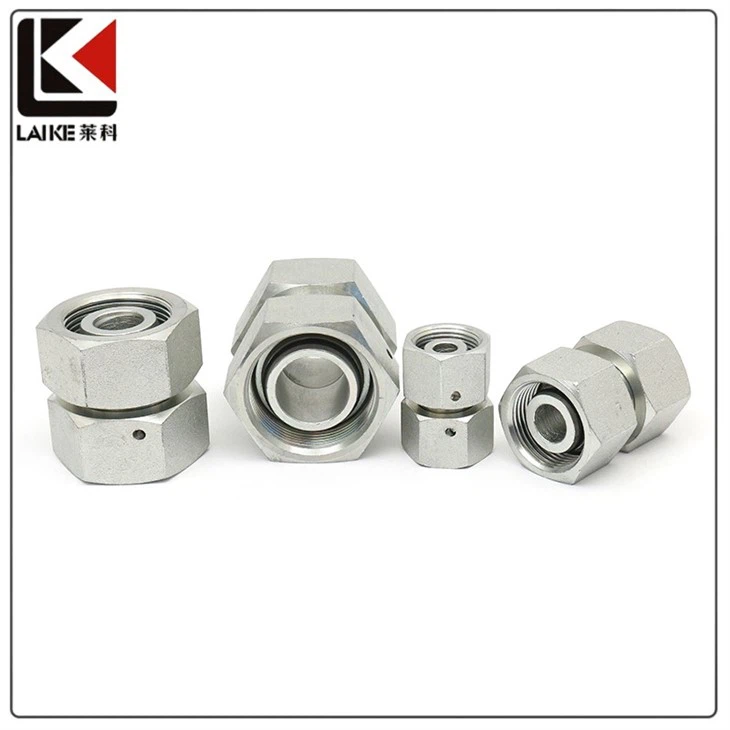

- Leak - Free Performance: A high - quality seal ensures that there are no leaks in the hydraulic system. The seal should be made from a material that can withstand the pressure and temperature of the hydraulic fluid. Common seal materials include nitrile rubber, which is good for general - purpose applications, and fluorocarbon rubber, which is more resistant to high temperatures and chemicals.
- Proper Installation: Even the best - quality seals need to be installed correctly. The adapter should be designed in a way that allows for easy and proper installation of the seal. Check if the seal grooves are well - defined and the right size for the seal.
5. Compatibility
Compatibility is crucial when it comes to SAE flange adapters.
- System Compatibility: The adapter needs to be compatible with the other components in your hydraulic system. This includes the hoses, valves, and pumps. Check the connection types and sizes. For example, if you have a system that uses Hydraulic Flange Adapters, make sure the adapter is designed to work with those specific flanges.
- Fluid Compatibility: The adapter should also be compatible with the hydraulic fluid you're using. Different fluids have different chemical properties, and some materials may not be suitable for certain fluids. For example, some fluids may cause rubber seals to swell or degrade over time. Make sure to choose an adapter that's compatible with your fluid type.
6. Manufacturer Reputation
The reputation of the manufacturer can tell you a lot about the quality of the SAE flange adapter.
- Industry Experience: Look for manufacturers that have been in the industry for a long time. An experienced manufacturer is more likely to have the knowledge and expertise to produce high - quality adapters. They've probably dealt with a wide range of applications and have learned how to make their products better over time.
- Customer Reviews: Check online reviews and testimonials from other customers. Positive reviews are a good sign that the manufacturer produces reliable products. You can also ask for references from the manufacturer and contact other customers directly to get their feedback.
7. Certification
Certifications are another way to ensure the quality of an SAE flange adapter.
- ISO Standards: Many high - quality adapters are certified to meet ISO (International Organization for Standardization) standards. ISO standards ensure that the product meets certain quality, safety, and environmental requirements. Look for adapters that have ISO 9001 certification, which indicates that the manufacturer has a quality management system in place.
- Other Industry - Specific Certifications: Depending on your application, there may be other industry - specific certifications. For example, in the aerospace industry, adapters may need to meet certain military or aerospace standards. Make sure the adapter you choose has the appropriate certifications for your needs.
8. Cost - Quality Balance
While you want a high - quality SAE flange adapter, you also need to consider the cost.
- Value for Money: Don't just go for the cheapest option. Sometimes, a low - cost adapter may be of poor quality and end up costing you more in the long run due to frequent replacements or system failures. On the other hand, the most expensive adapter isn't always the best. Look for a balance between cost and quality. Compare different brands and products to find the one that offers the best value for your money.
- Long - Term Savings: A high - quality adapter may cost more upfront, but it can save you money in the long term. It will last longer, require fewer replacements, and reduce the risk of system downtime. So, think about the long - term benefits when making your decision.
Conclusion
Identifying a high - quality SAE flange adapter is essential for the proper functioning of your hydraulic system. By considering factors like material quality, precision manufacturing, pressure rating, seal quality, compatibility, manufacturer reputation, certification, and cost - quality balance, you can make an informed decision.
If you're in the market for SAE flange adapters, whether it's METRIC Adapter or NPTF Adapter, and you want to ensure you're getting a high - quality product, feel free to reach out to us. We're here to help you find the right adapter for your needs and can provide you with all the information you need to make a smart purchase.
References
- Hydraulic Adapter Handbook: A comprehensive guide on hydraulic adapter design, materials, and performance.
- Industry Standards and Guidelines for Hydraulic Components: Published by relevant industry associations.