Installing JIC (Joint Industry Council) hose fittings correctly is crucial for ensuring the safety and efficiency of hydraulic systems. As a trusted supplier of JIC hose fittings, I'm here to guide you through the process step by step.


Understanding JIC Hose Fittings
Before we dive into the installation process, it's important to understand what JIC hose fittings are and their applications. JIC fittings are widely used in hydraulic systems for their ability to provide a reliable, leak - free connection. They are designed with a 37 - degree flare seat, which allows for a tight seal when properly installed. These fittings are made from various materials such as steel, stainless steel, and brass, and are available in different sizes and configurations to meet the diverse needs of hydraulic applications.
Tools Required
To install JIC hose fittings, you'll need the following tools:
- Wrenches: A set of wrenches, including adjustable wrenches or combination wrenches, is essential for tightening the fittings. Make sure the wrenches fit the size of the fittings properly to avoid damage.
- Hose Cutter: A sharp hose cutter is used to cut the hydraulic hose to the desired length. A clean cut is necessary to ensure a proper fit with the fittings.
- Deburring Tool: After cutting the hose, use a deburring tool to remove any sharp edges or burrs from the inside and outside of the hose. This helps prevent damage to the O - rings and ensures a smooth connection.
- Torque Wrench: A torque wrench is recommended to tighten the fittings to the correct torque specification. Over - tightening or under - tightening can lead to leaks or fitting failure.
Step 1: Prepare the Hose
The first step in installing JIC hose fittings is to prepare the hydraulic hose.
- Measure and Cut the Hose: Determine the required length of the hose for your application. Use a hose cutter to make a clean, straight cut. Avoid crushing or distorting the hose during the cutting process.
- Deburr the Hose: Once the hose is cut, use a deburring tool to remove any burrs or sharp edges from the cut end. This is important for preventing damage to the O - rings and ensuring a proper seal.
- Inspect the Hose: Check the hose for any signs of damage, such as cuts, abrasions, or kinks. If the hose is damaged, it should be replaced to ensure the integrity of the hydraulic system.
Step 2: Select the Correct Fittings
Choosing the right JIC hose fittings is essential for a successful installation.
- Match the Fitting Size: The fitting size must match the outer diameter of the hose. Refer to the hose manufacturer's specifications or a fitting size chart to select the appropriate fitting.
- Consider the Application: Different applications may require different types of fittings. For example, if you're working with high - pressure hydraulic systems, you may need to choose fittings made from high - strength materials such as Steel Hydraulic Fittings.
- Check the Flare Angle: Make sure the flare angle of the fitting is 37 degrees, which is the standard for JIC fittings. A mismatched flare angle can result in a poor seal and leaks.
Step 3: Install the Fitting on the Hose
Now it's time to install the JIC fitting on the hose.
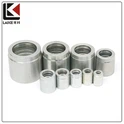
- Slide the Nut and Ferrule onto the Hose: Before inserting the hose into the fitting, slide the nut and ferrule onto the hose. The ferrule is the component that creates the seal between the hose and the fitting. In some cases, you may encounter Skive Ferrule, which has specific installation requirements.
- Insert the Hose into the Fitting: Carefully insert the prepared end of the hose into the fitting until it reaches the bottom of the fitting seat. Make sure the hose is centered and straight.
- Tighten the Nut: Use a wrench to tighten the nut onto the fitting. Start by hand - tightening the nut until it is snug, and then use a torque wrench to tighten it to the recommended torque specification. Over - tightening can damage the fitting or the hose, while under - tightening can lead to leaks.
Step 4: Inspect the Installation
After installing the JIC hose fitting, it's important to inspect the installation to ensure everything is in order.
- Check for Leaks: Pressurize the hydraulic system and check for any signs of leaks around the fitting. Look for drips, sprays, or moisture accumulation. If you detect a leak, stop the system immediately and re - check the installation.
- Verify the Torque: Use a torque wrench to verify that the fitting has been tightened to the correct torque. If the torque is too low or too high, adjust it as necessary.
- Inspect the Hose and Fitting: Check the hose and fitting for any signs of damage or deformation. Make sure the hose is not kinked or pinched, and the fitting is properly seated.
Step 5: Testing the System
Once the installation is complete and inspected, it's time to test the hydraulic system.
- Start the System Slowly: Begin by slowly increasing the pressure in the hydraulic system. Monitor the system for any abnormal noises, vibrations, or leaks.
- Check the Performance: Observe the performance of the hydraulic system. Make sure all components are functioning properly and that there are no issues with the flow or pressure.
- Conduct a Long - Term Test: Run the system for an extended period to ensure the reliability of the installation. Check for any signs of wear or fatigue over time.
Troubleshooting Common Issues
Even with proper installation, you may encounter some common issues with JIC hose fittings.
- Leaks: Leaks can be caused by improper tightening, damaged O - rings, or a poor seal between the hose and the fitting. If you experience a leak, first check the torque of the fitting. If the torque is correct, inspect the O - rings and replace them if necessary.
- Fitting Failure: Fitting failure can occur due to over - tightening, corrosion, or material fatigue. If a fitting fails, replace it with a new one and ensure that it is installed correctly.
- Hose Damage: Hose damage can result from abrasion, kinking, or excessive pressure. If the hose is damaged, replace it and take steps to prevent future damage, such as using hose guards or routing the hose away from sharp edges.
Conclusion
Installing JIC hose fittings correctly is a critical process that requires attention to detail and the use of the right tools. By following the steps outlined in this guide, you can ensure a safe and reliable installation of your hydraulic system. As a supplier of high - quality JIC hose fittings, we are committed to providing you with the best products and support. If you have any questions about our products or need assistance with installation, please feel free to contact us for further discussions. We look forward to working with you to meet your hydraulic fitting needs.
References
- Hydraulic Fitting Handbook, Parker Hannifin Corporation
- JIC Fitting Standards and Specifications, SAE International