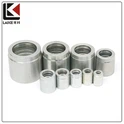
Measuring NPT adapters accurately is crucial for ensuring proper fitting, functionality, and compatibility in various applications. As a supplier of NPT adapters, I understand the importance of providing customers with the knowledge and tools to measure these adapters correctly. In this blog post, I will share some key insights and techniques on how to measure NPT adapters effectively.
Understanding NPT Threads
Before diving into the measurement process, it's essential to have a basic understanding of NPT (National Pipe Taper) threads. NPT threads are a type of tapered thread commonly used in North America for plumbing and piping applications. They are designed to create a tight seal by gradually increasing in diameter along the length of the thread.
The taper rate of NPT threads is 1 in 16, which means that for every 16 units of length, the diameter increases by 1 unit. This taper allows the threads to wedge together when tightened, creating a leak-resistant joint. NPT threads are typically specified by their nominal pipe size (NPS), which is a dimensionless number that represents the approximate inside diameter of the pipe.
Tools Required for Measuring NPT Adapters
To measure NPT adapters accurately, you will need the following tools:
- Thread Gauge: A thread gauge is a tool used to measure the pitch and thread form of a screw thread. For NPT adapters, you will need a NPT thread gauge to ensure that the threads meet the required specifications.
- Calipers: Calipers are used to measure the diameter and length of the adapter. You can use either digital or vernier calipers, depending on your preference and the level of accuracy required.
- Depth Gauge: A depth gauge is used to measure the depth of the threads or the length of the adapter. This tool is particularly useful when measuring the overall length of the adapter or the depth of the threaded portion.
- Micrometer: A micrometer is a precision measuring instrument used to measure small distances with high accuracy. It can be used to measure the diameter of the adapter at specific points along the thread.
Measuring the Thread Size
The first step in measuring an NPT adapter is to determine the thread size. This can be done using a thread gauge. Here's how:


- Select the appropriate NPT thread gauge for the adapter you are measuring. The thread gauge should match the nominal pipe size and thread pitch of the adapter.
- Place the thread gauge over the threads of the adapter and align it so that the teeth of the gauge fit snugly into the threads.
- Check if the threads of the adapter match the profile of the thread gauge. If the threads fit properly, the gauge should slide smoothly over the threads without any play or binding.
- If the threads do not match the profile of the thread gauge, the adapter may not be a true NPT adapter or may have damaged threads. In this case, it's recommended to replace the adapter or have it inspected by a professional.
Measuring the Diameter
Once you have determined the thread size, the next step is to measure the diameter of the adapter. This can be done using calipers or a micrometer. Here's how:
- Clean the adapter thoroughly to remove any dirt, debris, or oil that may affect the measurement.
- Open the calipers or micrometer and place the jaws around the adapter at the desired measurement point. Make sure the jaws are perpendicular to the axis of the adapter.
- Close the calipers or micrometer gently until they make contact with the adapter. Read the measurement on the scale or digital display.
- Take multiple measurements at different points along the thread to ensure accuracy. The diameter of an NPT adapter may vary slightly along the length of the thread due to the taper.
Measuring the Length
In addition to the diameter, it's also important to measure the length of the adapter. This can be done using a depth gauge or calipers. Here's how:
- Place the adapter on a flat surface and align it so that the threaded end is facing up.
- If using a depth gauge, insert the probe of the gauge into the threaded portion of the adapter until it reaches the bottom. Read the measurement on the scale.
- If using calipers, open the jaws and place them around the adapter at the desired measurement point. Close the jaws gently until they make contact with the adapter. Read the measurement on the scale or digital display.
- Take multiple measurements at different points along the length of the adapter to ensure accuracy. The length of an NPT adapter may vary slightly depending on the manufacturing process and the specific application.
Measuring the Taper
The taper of an NPT adapter is an important characteristic that affects its performance and compatibility. To measure the taper, you can use a specialized taper gauge or a caliper. Here's how:
- Clean the adapter thoroughly to remove any dirt, debris, or oil that may affect the measurement.
- If using a taper gauge, select the appropriate gauge for the adapter you are measuring. Place the gauge over the threads of the adapter and align it so that the teeth of the gauge fit snugly into the threads.
- Check if the taper of the adapter matches the profile of the taper gauge. If the taper is correct, the gauge should slide smoothly over the threads without any play or binding.
- If using a caliper, measure the diameter of the adapter at two different points along the thread. The difference in diameter between the two points can be used to calculate the taper rate.
Ensuring Compatibility
When measuring NPT adapters, it's important to ensure compatibility with other components in the system. This includes checking the thread size, pitch, and taper of the adapter to ensure that it matches the requirements of the mating component. Additionally, you should also consider the material, pressure rating, and temperature range of the adapter to ensure that it can withstand the operating conditions of the system.
Conclusion
Measuring NPT adapters accurately is essential for ensuring proper fitting, functionality, and compatibility in various applications. By following the techniques and using the tools outlined in this blog post, you can measure NPT adapters with confidence and ensure that they meet the required specifications. As a supplier of NPT adapters, I am committed to providing high-quality products and excellent customer service. If you have any questions or need assistance with measuring or selecting NPT adapters, please feel free to [contact us for procurement discussions]. We look forward to working with you to meet your needs.
References
- "NPT Thread Standards." American National Standards Institute (ANSI).
- "Thread Measurement Techniques." Machinery's Handbook.
- "Hydraulic Adapter Selection Guide." [Manufacturer's Name].