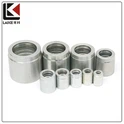
Hey there! As a supplier of SAE flange adapters, I've seen firsthand how crucial the installation position of these components can be. In this blog, I'll share some tips on how to optimize the installation position of SAE flange adapters to ensure the best performance and longevity of your hydraulic systems.
Understanding SAE Flange Adapters
Before we dive into the installation details, let's quickly go over what SAE flange adapters are. These adapters are used to connect hydraulic hoses or tubes to other components in a hydraulic system, such as pumps, valves, or cylinders. They come in various sizes and configurations to fit different applications, and they're designed to provide a secure and leak-free connection.
One of the key advantages of SAE flange adapters is their ability to handle high pressures and flow rates. They're also relatively easy to install and maintain, making them a popular choice for many hydraulic systems.
Factors to Consider When Choosing the Installation Position
When it comes to optimizing the installation position of SAE flange adapters, there are several factors you need to consider. Here are some of the most important ones:
1. Accessibility
You want to make sure that the SAE flange adapters are easily accessible for installation, maintenance, and inspection. This means avoiding areas that are difficult to reach or that require special tools or equipment to access. For example, if the adapters are located in a tight space or behind other components, it may be challenging to install or remove them without causing damage to the surrounding parts.
2. Vibration and Shock
Hydraulic systems can generate a lot of vibration and shock, which can affect the performance and longevity of the SAE flange adapters. To minimize the impact of vibration and shock, you should install the adapters in a location that is as stable as possible. This may involve using vibration-dampening mounts or brackets to secure the adapters to the equipment.
3. Heat and Temperature
High temperatures can cause the seals and gaskets in the SAE flange adapters to degrade over time, leading to leaks and other problems. To prevent this, you should avoid installing the adapters in areas that are exposed to excessive heat or direct sunlight. If the hydraulic system operates in a high-temperature environment, you may need to use heat-resistant seals and gaskets or install the adapters in a location that is better protected from the heat.
4. Fluid Flow
The installation position of the SAE flange adapters can also affect the fluid flow in the hydraulic system. You want to make sure that the adapters are installed in a way that allows for smooth and unrestricted fluid flow. This may involve avoiding sharp bends or turns in the hydraulic hoses or tubes and ensuring that the adapters are properly aligned with the other components in the system.
5. Safety
Finally, safety should always be a top priority when installing SAE flange adapters. You want to make sure that the adapters are installed in a way that minimizes the risk of injury or damage to the equipment. This may involve following the manufacturer's installation instructions carefully, using the proper tools and equipment, and wearing appropriate safety gear.
Tips for Optimizing the Installation Position
Now that you understand the factors to consider when choosing the installation position of SAE flange adapters, here are some tips to help you optimize the installation:
1. Plan Ahead
Before you start installing the SAE flange adapters, take the time to plan out the installation process carefully. This may involve creating a detailed layout of the hydraulic system, identifying the best locations for the adapters, and determining the tools and equipment you'll need. By planning ahead, you can avoid making costly mistakes and ensure that the installation goes smoothly.
2. Use the Right Tools
Using the right tools is essential for installing SAE flange adapters correctly. Make sure you have the appropriate wrenches, sockets, and other tools on hand before you start the installation. Using the wrong tools can damage the adapters or the surrounding components, leading to leaks and other problems.
3. Follow the Manufacturer's Instructions
The manufacturer's installation instructions are your best guide for installing SAE flange adapters correctly. Make sure you read and understand the instructions carefully before you start the installation. Following the instructions will help you ensure that the adapters are installed in the correct position, with the proper torque and alignment.
4. Check for Leaks
Once the SAE flange adapters are installed, it's important to check for leaks. You can do this by pressurizing the hydraulic system and visually inspecting the adapters and the surrounding area for any signs of leakage. If you notice any leaks, you should immediately shut down the system and address the problem before continuing to operate the equipment.
5. Regular Maintenance
Regular maintenance is essential for ensuring the long-term performance and reliability of SAE flange adapters. Make sure you follow the manufacturer's recommended maintenance schedule and perform regular inspections and servicing of the adapters. This may involve checking the seals and gaskets for wear and tear, tightening the bolts and nuts, and cleaning the adapters to remove any dirt or debris.
Related Products
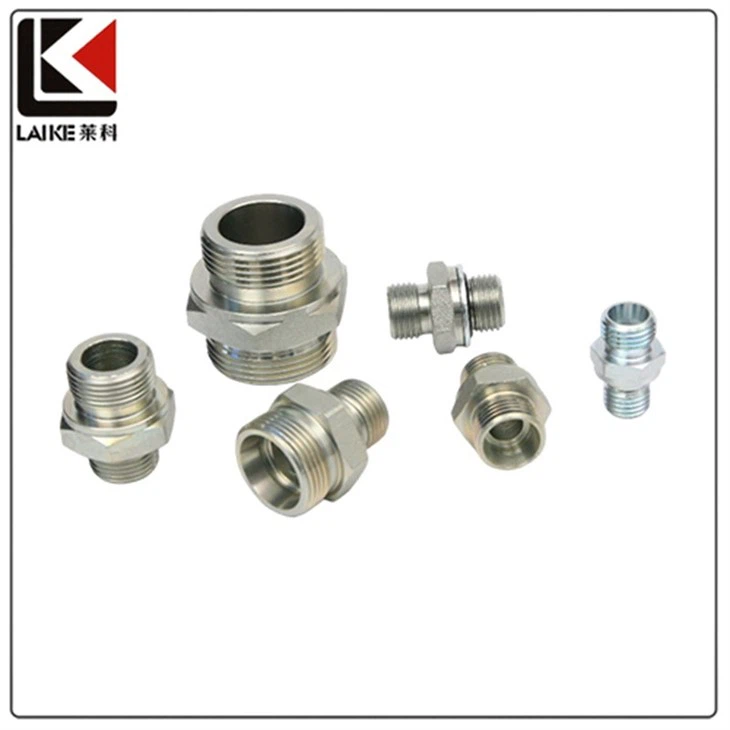
If you're looking for other hydraulic adapters to complement your SAE flange adapters, we have a wide range of products available. Check out our Tube Fitting, JIC To JIC Adapter, and Kumatsu Adapter pages for more information.
Conclusion
Optimizing the installation position of SAE flange adapters is essential for ensuring the best performance and longevity of your hydraulic systems. By considering the factors discussed in this blog and following the tips provided, you can install the adapters in a way that minimizes the risk of leaks, vibration, and other problems. If you have any questions or need further assistance with installing SAE flange adapters, please don't hesitate to contact us. We're here to help you get the most out of your hydraulic systems.

References
- Manufacturer's installation instructions for SAE flange adapters
- Hydraulic system design and installation guidelines
- Industry standards and best practices for hydraulic system maintenance