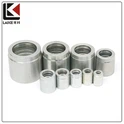
Hey there! As a supplier of METRIC Adapters, I often get asked about how to replace the parts of a METRIC Adapter. It's actually not as complicated as it might seem at first glance. In this blog post, I'll walk you through the whole process step by step, so you can handle it like a pro.
First things first, let's talk about why you might need to replace parts of a METRIC Adapter. Well, over time, these adapters can wear out due to regular use, exposure to harsh environments, or even just normal wear and tear. When that happens, it's important to replace the parts to ensure that the adapter continues to work properly and safely.
Step 1: Gather Your Tools
Before you start replacing any parts, you'll need to gather the right tools. You'll typically need a set of wrenches, a socket set, and maybe a screwdriver, depending on the type of METRIC Adapter you have. Make sure the tools are the right size for the job. Using the wrong size tools can damage the adapter or the parts you're trying to replace.
Step 2: Identify the Faulty Part
The next step is to figure out which part of the METRIC Adapter needs to be replaced. This might require a bit of inspection. Look for signs of damage such as cracks, leaks, or excessive wear. Sometimes, you might notice a drop in performance, like a decrease in pressure or a loss of fluid. These can all be indicators that a part needs to be replaced.

If you're not sure which part is the problem, it might be a good idea to consult the adapter's manual. Most METRIC Adapters come with a detailed manual that can help you identify the different parts and understand how they work. You can also check out Hydraulic Fitting Adapters on our website for more information about different types of adapters and their parts.
Step 3: Drain the System
Before you start removing any parts, you need to drain the hydraulic system. This is important to prevent any fluid from spilling out and causing a mess or a safety hazard. Make sure you follow the proper procedures for draining the system. This might involve opening a drain valve or using a pump to remove the fluid.
Step 4: Remove the Faulty Part
Once the system is drained, you can start removing the faulty part. Use your wrenches or socket set to loosen the bolts or nuts that hold the part in place. Be careful not to over-tighten or over-loosen the fasteners, as this can damage the threads.
If the part is stuck, you might need to use a little bit of force, but be gentle. You don't want to break the part or damage the adapter. Sometimes, you can use a penetrating oil to help loosen the part. Let the oil sit for a few minutes before trying to remove the part again.
Step 5: Install the New Part
Now that you've removed the faulty part, it's time to install the new one. Make sure the new part is the correct size and type for your METRIC Adapter. Check the specifications to ensure a proper fit.
Clean the area where the new part will be installed. Remove any dirt, debris, or old gasket material. This will help ensure a good seal and prevent leaks.
Carefully place the new part in position and tighten the bolts or nuts. Make sure you tighten them evenly to avoid any uneven pressure. You can use a torque wrench to ensure that you're tightening the fasteners to the correct specifications.
Step 6: Reassemble the System
After installing the new part, it's time to reassemble the rest of the system. Put back any covers, hoses, or other components that you removed. Make sure everything is properly connected and secured.
Step 7: Refill the System
Once the system is reassembled, you can refill it with hydraulic fluid. Make sure you use the correct type of fluid for your system. Check the manual for the recommended fluid specifications.
Fill the system slowly and carefully, and check for any leaks. If you notice any leaks, you might need to tighten the connections or replace the gasket.
Step 8: Test the System
Finally, it's time to test the system. Start the hydraulic system and check the performance. Look for any signs of leaks, abnormal noises, or a decrease in pressure. If everything seems to be working properly, then you've successfully replaced the part of your METRIC Adapter.
Special Considerations for BSPT Adapters
If you're dealing with a BSPT Adapter, there are a few additional things to keep in mind. BSPT (British Standard Pipe Taper) adapters have a tapered thread, which means they require a special type of sealant to prevent leaks. Make sure you use a sealant that is compatible with the hydraulic fluid and the adapter material.
When installing a BSPT Adapter, be careful not to over-tighten the threads. Over-tightening can damage the threads and cause leaks. Follow the recommended torque specifications for the adapter.
Using Hydraulic Plugs and Caps
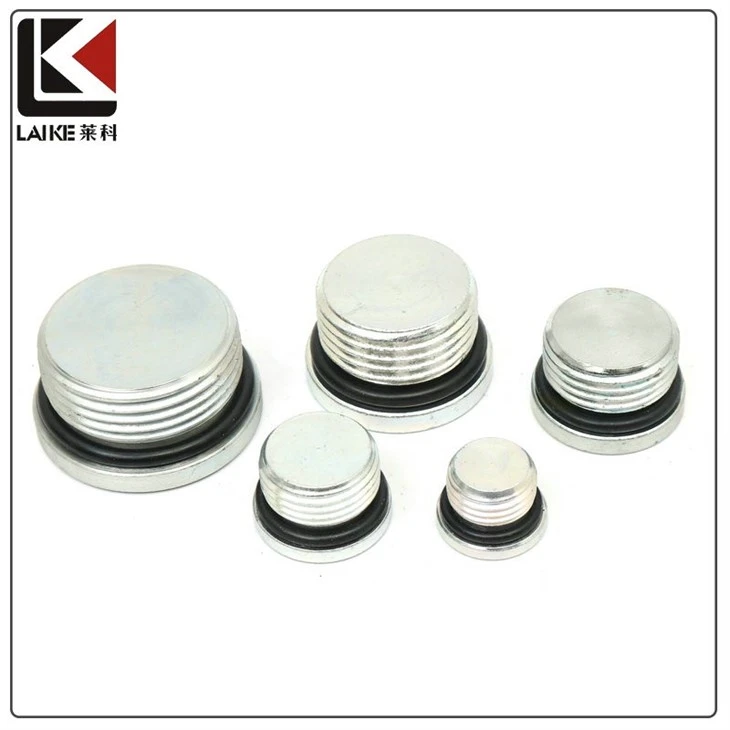
In some cases, you might need to use Hydraulic Plugs and Caps during the replacement process. These can be used to seal off the ports or openings in the hydraulic system to prevent dirt, debris, or fluid from entering.
Make sure you choose the right size and type of plugs and caps for your system. They should fit snugly to ensure a good seal.
Conclusion
Replacing the parts of a METRIC Adapter might seem like a daunting task, but with the right tools, knowledge, and a bit of patience, you can do it yourself. Remember to always follow the proper safety procedures and consult the manual if you're unsure about anything.
If you're in the market for METRIC Adapters or replacement parts, we're here to help. We're a leading supplier of high-quality hydraulic products, including METRIC Adapters, Hydraulic Fitting Adapters, BSPT Adapter, and Hydraulic Plugs and Caps.
If you have any questions or need more information, feel free to reach out to us. We're happy to assist you with your procurement needs and help you find the right products for your application. Contact us today to start the conversation and let's work together to meet your hydraulic requirements.
References
- Hydraulic Adapter Manuals
- Industry Standards for Hydraulic Systems