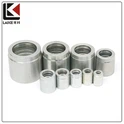
Troubleshooting problems with a JIC to BSP adapter can be a complex yet essential process, especially when ensuring the smooth operation of hydraulic systems. As a JIC to BSP adapter supplier, I understand the significance of providing reliable solutions and guidance to our customers. In this blog, I will share some practical tips on how to troubleshoot common issues with these adapters.
Understanding the Basics of JIC to BSP Adapters
Before delving into troubleshooting, it's crucial to have a clear understanding of what JIC and BSP adapters are. JIC (Joint Industry Council) fittings are commonly used in hydraulic systems in North America. They feature a 37-degree flare seat and are known for their high-pressure capabilities. On the other hand, BSP (British Standard Pipe) fittings are widely used in Europe and other parts of the world. There are two main types of BSP fittings: BSPP (Parallel) and BSPT (Tapered).
JIC to BSP adapters are designed to connect components with different fitting standards. They allow for seamless integration between systems that use JIC and BSP fittings, enabling efficient fluid transfer. However, due to the differences in the fitting designs and standards, several issues can arise during installation and operation.
Common Problems and Troubleshooting Steps
1. Leakage
Leakage is one of the most common problems with JIC to BSP adapters. It can lead to fluid loss, reduced system efficiency, and potential safety hazards. There are several possible causes of leakage:
- Incorrect Installation: Improper installation is a frequent culprit. Ensure that the adapter is tightened to the correct torque specification. Over-tightening can damage the fitting, while under-tightening can result in a loose connection and leakage. Refer to the manufacturer's guidelines for the recommended torque values.
- Damaged Sealing Surfaces: Check the sealing surfaces of both the adapter and the mating components for any signs of damage, such as scratches, nicks, or corrosion. Damaged surfaces can prevent a proper seal from forming. If the sealing surfaces are damaged, replace the adapter or the mating component as necessary.
- Incompatible Fittings: Ensure that the JIC to BSP adapter is compatible with the specific JIC and BSP fittings being used. Different types of BSP fittings (BSPP and BSPT) require different installation methods and sealing techniques. Using an incompatible adapter can lead to leakage.
To troubleshoot leakage, start by visually inspecting the connection for any signs of fluid seepage. If leakage is detected, carefully loosen the adapter and inspect the sealing surfaces. Clean the surfaces if necessary and re-tighten the adapter to the correct torque. If the problem persists, consider replacing the adapter or the mating component.
2. Blockage
Blockage in a JIC to BSP adapter can restrict fluid flow and cause system malfunctions. It can be caused by debris, dirt, or foreign objects entering the adapter.
- Inspect the Adapter: Remove the adapter and visually inspect the internal passages for any signs of blockage. Use a small brush or compressed air to clean out any debris.
- Check the Fluid Source: Ensure that the fluid being used is clean and free of contaminants. Install a proper filtration system to prevent debris from entering the adapter.
- Flush the System: If blockage is suspected, flush the hydraulic system to remove any accumulated debris. This can help restore normal fluid flow.
3. Vibration and Noise
Excessive vibration and noise can indicate a problem with the JIC to BSP adapter or the overall hydraulic system.


- Loose Connections: Check all connections, including the adapter, for any signs of looseness. Tighten any loose connections to the correct torque.
- Misalignment: Ensure that the adapter is properly aligned with the mating components. Misalignment can cause uneven stress on the adapter and lead to vibration and noise.
- Resonance: In some cases, vibration and noise can be caused by resonance within the hydraulic system. Consult a hydraulic engineer to identify and address any resonance issues.
Importance of Quality Adapters
Using high-quality JIC to BSP adapters is essential for reliable performance and trouble-free operation. At our company, we are committed to providing top-quality adapters that meet the highest industry standards. Our adapters are manufactured using premium materials and advanced manufacturing processes to ensure durability and reliability.
We also offer a wide range of adapters, including Kumatsu Adapter, Hydraulic Flange Adapters, and Jis Fittings. These adapters are designed to provide seamless compatibility and optimal performance in various hydraulic applications.
Contact Us for Procurement and Support
If you are experiencing problems with your JIC to BSP adapters or are looking to purchase high-quality adapters for your hydraulic system, we are here to help. Our team of experts can provide you with technical support, product recommendations, and assistance with installation and troubleshooting.
Whether you need a single adapter or a large quantity for a project, we can meet your requirements. Contact us today to discuss your procurement needs and find the best solutions for your hydraulic system.
References
- Hydraulic Fitting Handbook, Parker Hannifin Corporation
- ISO Standards for Hydraulic Fittings and Adapters
- Technical Manuals from JIC and BSP Fitting Manufacturers