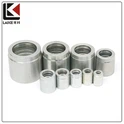
Hey there! I'm a supplier of Fast Connectors, and I know a thing or two about upgrading from old - style connectors to these nifty new ones. In this blog, I'll walk you through the whole process, from why you should make the switch to the nitty - gritty of how to do it.
Why Upgrade to a Fast Connector?
First off, let's talk about why you'd even want to upgrade. Old - style connectors can be a real pain in the neck. They're often slow to connect and disconnect, which can eat up a lot of your valuable time, especially if you're working on a project with tight deadlines. And let's not forget about the risk of leaks. Old connectors might not seal as well as they used to, leading to fluid loss and potential damage to your equipment.
On the other hand, Fast Connector brings a whole new level of efficiency to the table. They're designed to connect and disconnect in a snap, saving you time and effort. Plus, they offer a better seal, reducing the risk of leaks and keeping your system running smoothly.
Understanding the Different Types
Before you start the upgrade process, it's important to understand the different types of connectors out there. There are various Hydraulic Coupling Types, each with its own unique features and applications.
For example, the Flat Face Hydraulic Quick Coupler is a popular choice. It's known for its excellent sealing properties and is often used in applications where preventing fluid spills is crucial. Another type is the poppet - style connector, which is great for high - pressure systems.
Take the time to research and figure out which type of fast connector is best suited for your specific needs. You can consider factors like the type of fluid you're working with, the pressure requirements of your system, and the frequency of connection and disconnection.
Assessing Your Current System
The next step is to take a good look at your current system. You need to know what you're working with before you can make the switch. Start by identifying the old - style connectors in your system. Look at their size, shape, and the type of connection they use.
Measure the dimensions of the connectors carefully. This includes the outer diameter, inner diameter, and the thread size if applicable. You'll need these measurements when you're shopping for the new fast connectors to ensure a proper fit.
Also, check the condition of your existing hoses and pipes. If they're damaged or worn out, you might need to replace them along with the connectors. A faulty hose can cause problems even with the best - quality fast connectors.
Choosing the Right Fast Connector
Once you've assessed your system, it's time to choose the right fast connector. As I mentioned earlier, consider the type of fluid, pressure requirements, and connection frequency. But there are also other factors to keep in mind.
Look for connectors that are made from high - quality materials. Stainless steel or brass connectors are often a good choice as they're durable and resistant to corrosion. Check the manufacturer's specifications for details on the connector's pressure rating, temperature range, and compatibility with different fluids.
It's also a good idea to buy from a reputable supplier. That's where I come in! As a Fast Connector supplier, I can offer you a wide range of options and provide you with expert advice to help you make the right choice.
The Upgrade Process
Now that you've got your new fast connectors, it's time to start the upgrade process. Here's a step - by - step guide:


- Shut down the system: Before you start working on the connectors, make sure to shut down the entire system. This will prevent any fluid from flowing and reduce the risk of injury.
- Relieve the pressure: Use a pressure - relief valve or other appropriate method to relieve the pressure in the system. This will make it safer to remove the old connectors.
- Remove the old connectors: Use the appropriate tools, such as wrenches or pliers, to carefully remove the old connectors from the hoses or pipes. Be gentle to avoid damaging the hoses.
- Clean the connection points: Once the old connectors are removed, clean the connection points on the hoses and pipes. Use a clean cloth or a suitable cleaning solution to remove any dirt, debris, or old sealant.
- Install the new fast connectors: Apply a small amount of lubricant or sealant to the threads or sealing surfaces of the new connectors (if recommended by the manufacturer). Then, carefully screw or insert the connectors into the connection points. Make sure they're tightened properly, but don't over - tighten as this can damage the connectors.
- Test the system: After all the new connectors are installed, turn the system back on and check for any leaks. If you notice any leaks, stop the system immediately and re - check the connections. You might need to adjust the tightness of the connectors or replace a faulty seal.
Troubleshooting
Even with the best - laid plans, you might encounter some issues during the upgrade process. Here are some common problems and how to fix them:
- Leaking connectors: If you notice a leak, first check if the connectors are tightened properly. If they are, the problem might be a faulty seal. Try replacing the seal with a new one.
- Difficulty connecting or disconnecting: This could be due to a misaligned connector or a damaged thread. Check the alignment and make sure there are no burrs or debris on the threads. If the problem persists, you might need to replace the connector.
- Compatibility issues: Sometimes, the new fast connectors might not be fully compatible with your existing system. This could be due to differences in size, pressure ratings, or fluid compatibility. If you encounter this problem, contact your supplier for advice on how to resolve it.
Maintenance Tips
Once you've successfully upgraded to fast connectors, it's important to maintain them properly to ensure their long - term performance. Here are some maintenance tips:
- Regular inspections: Periodically check the connectors for any signs of wear, damage, or leaks. Look for cracks, corrosion, or loose connections.
- Cleaning: Keep the connectors clean by wiping them down regularly with a clean cloth. If they're exposed to dirt or debris, use a suitable cleaning solution to remove it.
- Lubrication: If the manufacturer recommends it, apply a small amount of lubricant to the moving parts of the connectors to ensure smooth operation.
- Seal replacement: Replace the seals at regular intervals, especially if you notice any signs of wear or leakage. This will help maintain a good seal and prevent fluid loss.
Conclusion
Upgrading from old - style connectors to Fast Connector is a smart move that can bring many benefits to your system. It can save you time, reduce the risk of leaks, and improve the overall efficiency of your operations.
If you're thinking about making the switch, don't hesitate to reach out to me. As a Fast Connector supplier, I'm here to help you every step of the way. Whether you need advice on choosing the right connectors or assistance with the upgrade process, I've got you covered. Contact me today to start the procurement process and take your system to the next level!
References
- General knowledge of hydraulic connectors and upgrade processes from industry experience.
- Manufacturer's specifications and technical documentation for fast connectors.