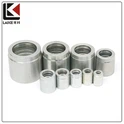
Hey there! As a JIC adaptor supplier, I've seen my fair share of issues with these components, and one of the most common problems we get asked about is JIC adaptor leakage. It's a headache for everyone involved, from the end-users dealing with messy hydraulic systems to us suppliers trying to figure out what went wrong. So, I thought I'd take some time to break down the possible causes of JIC adaptor leakage.
1. Improper Installation
This is probably the number one culprit when it comes to JIC adaptor leakage. Installing these adaptors isn't as simple as just screwing them in. There are specific torque requirements that need to be followed. If you overtighten the adaptor, it can damage the sealing surfaces. The JIC fitting relies on a 37-degree flare for a tight seal, and over-tightening can distort this flare, preventing a proper seal from forming.
On the flip side, if you don't tighten the adaptor enough, there won't be sufficient pressure to create a seal. This can lead to fluid leaking out around the connection. It's essential to use a torque wrench and follow the manufacturer's recommended torque values. A lot of times, I've seen customers try to install the adaptors by hand or use an incorrect tool, which almost always leads to problems down the line.
2. Damaged Sealing Surfaces
The sealing surfaces of JIC adaptors are crucial for preventing leakage. Any damage to these surfaces can compromise the seal. This damage can occur during manufacturing, handling, or installation. For example, if the adaptor is dropped or mishandled, it can cause nicks or scratches on the 37-degree flare. These imperfections prevent the surfaces from mating correctly, allowing fluid to escape.
Also, during the installation process, if the tools used are not clean or have rough edges, they can damage the sealing surfaces. It's important to inspect the adaptors carefully before installation and make sure there are no visible signs of damage. If you do find any damage, don't use the adaptor. Replace it with a new one to avoid leakage issues.
3. Contamination
Contamination is another major cause of JIC adaptor leakage. Dirt, debris, and other foreign particles can get into the hydraulic system and accumulate around the adaptor connections. This contamination can prevent the sealing surfaces from making a proper contact. For instance, a small piece of dirt between the flare and the mating surface can create a gap, allowing fluid to leak.
It's crucial to keep the hydraulic system clean. Make sure to use proper filtration systems to remove any contaminants from the fluid. Also, when installing the adaptors, clean the connection points thoroughly to remove any dirt or debris. This simple step can go a long way in preventing leakage.
4. Material Compatibility Issues
Not all materials are compatible with all types of hydraulic fluids. If the JIC adaptor is made from a material that is not compatible with the fluid in the system, it can lead to corrosion or degradation of the adaptor. This can cause the sealing surfaces to deteriorate over time, resulting in leakage.
For example, some hydraulic fluids are highly corrosive, and if the adaptor is made from a metal that is not resistant to this corrosion, it will start to break down. It's important to choose the right material for the adaptor based on the type of fluid in the system. We offer a wide range of adaptors made from different materials to ensure compatibility with various hydraulic fluids.
5. Vibration and Movement
In many hydraulic systems, there is a lot of vibration and movement. This can cause the JIC adaptors to loosen over time. Even if the adaptor was installed correctly initially, the constant vibration can gradually undo the tightening, leading to a loss of the seal and subsequent leakage.


To prevent this, it's a good idea to use locking mechanisms or vibration-damping materials. Some adaptors come with built-in locking features, such as a nylon insert or a serrated surface, which helps to keep the connection tight. Additionally, using flexible hoses or mounting the adaptors in a way that reduces vibration can also be beneficial.
6. Temperature Fluctuations
Hydraulic systems can be exposed to a wide range of temperatures. Extreme temperature changes can cause the materials in the JIC adaptor to expand and contract. If the adaptor and the mating components have different coefficients of thermal expansion, this can create stress on the sealing surfaces. Over time, this stress can lead to a breakdown of the seal and leakage.
It's important to choose adaptors that are designed to withstand the temperature range of the hydraulic system. We offer adaptors that are suitable for both high and low-temperature applications. These adaptors are made from materials that can handle the thermal stress without compromising the seal.
Solutions and Recommendations
If you're experiencing JIC adaptor leakage, the first step is to identify the cause. Once you've determined the root cause, you can take the appropriate action. For example, if the problem is improper installation, you can reinstall the adaptor following the correct torque values. If there is damage to the sealing surfaces, replace the adaptor.
To prevent future leakage issues, here are some general recommendations:
- Always follow the manufacturer's installation instructions.
- Inspect the adaptors for damage before installation.
- Keep the hydraulic system clean and use proper filtration.
- Choose the right material for the adaptor based on the fluid in the system.
- Use locking mechanisms or vibration-damping materials to prevent loosening.
- Select adaptors that are suitable for the temperature range of the system.
We also offer a variety of high-quality JIC adaptors and related products. If you're looking for NO Skive Ferrule, DKO Hydraulic Fittings, or NPT Adapter Union, we've got you covered. Our products are designed to meet the highest standards of quality and performance, helping you avoid leakage issues in your hydraulic systems.
If you have any questions or need help with choosing the right JIC adaptors for your application, don't hesitate to reach out. We're here to assist you in finding the best solutions for your hydraulic system needs. Whether you're a small business or a large industrial operation, we can provide you with the products and support you require. So, if you're in the market for JIC adaptors or related products, let's start a conversation about your requirements. We're eager to work with you to ensure the smooth operation of your hydraulic systems.
References
- Hydraulic Fitting Handbook
- Manufacturer's Installation Guides for JIC Adaptors
- Industry Standards for Hydraulic Systems