Self-sealing properties are of paramount importance in hydraulic fittings, ensuring the reliable and efficient operation of hydraulic systems. As a leading hydraulic fitting supplier, I have witnessed firsthand the significance of these properties in various industrial applications. In this blog, I will delve into the self-sealing properties of hydraulic fittings, exploring how they work, their advantages, and the different types available in the market.
How Self - Sealing Hydraulic Fittings Work
Self-sealing hydraulic fittings are designed to prevent fluid leakage without the need for additional sealing elements such as gaskets or O - rings in many cases. The basic principle behind their self - sealing mechanism lies in the precise machining of the fitting components and the use of specific thread designs.
One common type of self - sealing thread is the tapered thread. Tapered threads, like the NPT (National Pipe Taper) thread, are designed with a taper angle. When the male and female threads are tightened together, the taper causes the threads to deform slightly, creating a tight seal. As the fitting is tightened, the contact between the threads increases, and the interference between the male and female threads helps to block the flow of hydraulic fluid.
Another aspect of self - sealing is the use of elastomeric seals integrated within the fitting design. Some hydraulic fittings have an elastomeric ring built into the fitting body. When the fitting is assembled, the elastomeric material is compressed, creating a barrier against fluid leakage. This combination of mechanical and elastomeric sealing provides a high - level of reliability.
Advantages of Self - Sealing Hydraulic Fittings
The self - sealing properties of hydraulic fittings offer several significant advantages. Firstly, they simplify the installation process. Without the need to source and install separate sealing components, the assembly time is reduced, and the risk of incorrect installation of seals is eliminated. This is especially beneficial in large - scale hydraulic system installations where time and efficiency are crucial.
Secondly, self - sealing fittings enhance system reliability. Since there are fewer components that can fail, the likelihood of fluid leakage is minimized. Leakage in hydraulic systems can lead to a loss of pressure, reduced system performance, and potential damage to other components. By preventing leakage, self - sealing fittings help to maintain the integrity of the hydraulic system and ensure consistent operation.
In addition, self - sealing fittings are more cost - effective in the long run. Although the initial cost of self - sealing fittings may be slightly higher than non - self - sealing ones, the savings in terms of reduced maintenance, fewer replacement parts, and less downtime due to leakage issues make them a more economical choice over time.
Types of Self - Sealing Hydraulic Fittings
There are several types of self - sealing hydraulic fittings available in the market, each with its own unique features and applications.
NPT Adapter Union
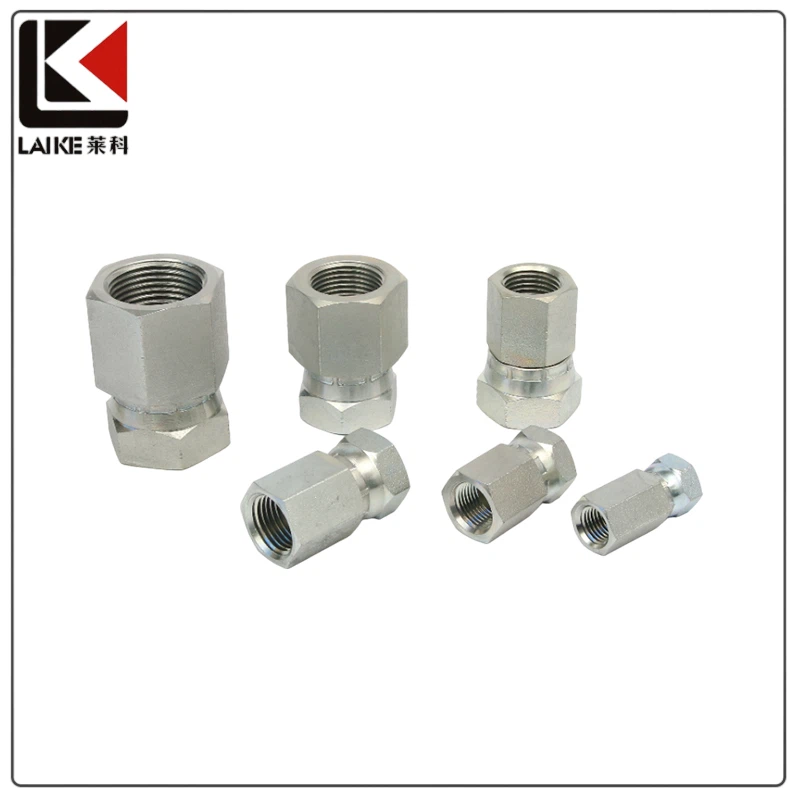
NPT Adapter Union is a popular type of self - sealing fitting. The NPT thread has a 60 - degree thread angle and a taper of 1:16. This taper allows for a tight seal when the male and female threads are engaged. NPT Adapter Unions are commonly used in a wide range of hydraulic applications, from industrial machinery to automotive systems. They can be used to connect different types of pipes or hoses, providing a reliable and leak - free connection.
Adapter Hydraulic
Adapter Hydraulic fittings are designed to adapt different sizes or types of hydraulic components. These fittings often incorporate self - sealing features to ensure a proper connection between dissimilar parts. They can be used to connect hoses to pipes, or to change the thread type or size of a connection. Adapter Hydraulic fittings are available in various materials, such as steel, brass, and stainless steel, to suit different operating conditions.
Plugs for BSP Thread
Plugs for BSP Thread are used to seal off hydraulic ports. The British Standard Pipe (BSP) thread has its own self - sealing characteristics. BSP threads can be either parallel or tapered. Tapered BSP threads create a seal through the interference of the threads, while parallel BSP threads often use an additional sealing element, such as an O - ring, for a more reliable seal. Plugs for BSP Thread are essential for preventing fluid leakage from unused ports in hydraulic systems.

Factors Affecting Self - Sealing Performance
Several factors can affect the self - sealing performance of hydraulic fittings. One of the most important factors is the quality of the machining. Precision machining ensures that the threads are of the correct size, shape, and pitch, which is crucial for creating a proper seal. Any deviation in the thread dimensions can lead to leakage.
The material of the fitting also plays a significant role. Different materials have different levels of hardness, corrosion resistance, and elasticity. For example, stainless steel fittings are more resistant to corrosion, which is important in applications where the hydraulic fluid may be contaminated or the environment is harsh. On the other hand, brass fittings are more malleable, which can be advantageous in creating a better seal in some cases.
The installation torque is another critical factor. Over - tightening the fitting can damage the threads or the elastomeric seals, while under - tightening can result in an insufficient seal. It is essential to follow the manufacturer's recommended torque values during installation to ensure optimal self - sealing performance.
Maintenance and Inspection of Self - Sealing Hydraulic Fittings
Regular maintenance and inspection of self - sealing hydraulic fittings are necessary to ensure their continued performance. During maintenance, it is important to check for signs of leakage, such as fluid stains around the fitting. Any signs of leakage should be addressed immediately to prevent further damage to the system.
Inspecting the threads for wear or damage is also crucial. If the threads are worn or damaged, the self - sealing ability of the fitting may be compromised. In such cases, the fitting should be replaced. Additionally, the elastomeric seals, if present, should be checked for signs of degradation, such as cracking or hardening.
Conclusion
The self - sealing properties of hydraulic fittings are essential for the proper functioning of hydraulic systems. They offer numerous advantages, including simplified installation, enhanced reliability, and cost - effectiveness. As a hydraulic fitting supplier, I understand the importance of providing high - quality self - sealing fittings to meet the diverse needs of our customers.
Whether you are looking for NPT Adapter Union, Adapter Hydraulic, or Plugs for BSP Thread, we have a wide range of products to choose from. If you are interested in our hydraulic fittings or have any questions about self - sealing properties, please feel free to contact us for further discussion and procurement. We are committed to providing you with the best solutions for your hydraulic system needs.
References
- "Hydraulic Fitting Handbook", Hydraulic Institute Press
- "Principles of Hydraulic System Design", Industrial Press
- "Thread Standards and Sealing Techniques in Hydraulic Applications", Journal of Hydraulic Engineering