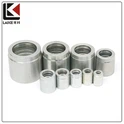
When it comes to JIS (Japanese Industrial Standards) fittings, one of the most critical aspects that often gets overlooked is the wall thickness. As a JIS Fittings supplier with years of experience in the industry, I've witnessed firsthand the importance of understanding the standards for wall thickness in these components. In this blog post, I'll delve into what these standards are, why they matter, and how they impact the performance and safety of JIS fittings.
The Basics of JIS Fittings
JIS fittings are widely used in various industries, including automotive, manufacturing, and hydraulic systems. These fittings are designed to meet specific Japanese Industrial Standards, which ensure consistent quality, compatibility, and performance. From Flange Joint to NPT Adapters and SAE Flange Adapter, JIS fittings come in a wide range of types and sizes to suit different applications.
Understanding Wall Thickness Standards
The wall thickness of JIS fittings is a crucial factor that affects their strength, durability, and resistance to pressure and corrosion. The standards for wall thickness are defined by JIS to ensure that the fittings can withstand the various conditions they may encounter in real-world applications.
Pressure Rating Considerations
One of the primary factors influencing the wall thickness standards is the pressure rating of the fitting. Fittings that are designed to handle high-pressure applications typically require thicker walls to prevent leaks, bursts, or other failures. JIS specifies different wall thicknesses based on the maximum pressure the fitting is expected to withstand. For example, a fitting used in a high-pressure hydraulic system will have a thicker wall than one used in a low-pressure pneumatic system.
Material Properties
The type of material used in the fitting also plays a significant role in determining the wall thickness standards. Different materials have different mechanical properties, such as strength, ductility, and corrosion resistance. For instance, stainless steel fittings may require a different wall thickness compared to brass or carbon steel fittings due to their unique properties. JIS takes into account the material's characteristics when setting the wall thickness requirements to ensure optimal performance.
Size and Dimension
The size and dimension of the fitting are another important consideration. Larger fittings generally require thicker walls to maintain their structural integrity. This is because the stress and pressure distribution on a larger fitting are different compared to a smaller one. JIS provides specific guidelines for wall thickness based on the nominal size of the fitting to ensure that they can withstand the expected loads and pressures.
Why Wall Thickness Standards Matter
Adhering to the wall thickness standards for JIS fittings is essential for several reasons, including:
Safety
Safety is the top priority in any industrial application. Properly sized wall thickness ensures that the fitting can safely contain the fluid or gas under pressure without leaking or bursting. This reduces the risk of accidents, injuries, and damage to equipment and property.
Performance
The wall thickness directly affects the performance of the fitting. A fitting with the correct wall thickness will maintain its shape and integrity under pressure, providing a reliable and consistent connection. This helps to ensure the efficient operation of the system and prevents downtime due to leaks or failures.
Compatibility
JIS fittings are designed to be compatible with other components in the system. By following the wall thickness standards, the fittings can be easily integrated with other parts without causing compatibility issues. This simplifies the installation process and ensures a seamless and reliable operation.
Impact on Cost
While ensuring the correct wall thickness is crucial for safety and performance, it also has an impact on the cost of the fittings. Thicker walls generally require more material, which increases the manufacturing cost. However, it's important to strike a balance between cost and quality. Choosing fittings with wall thicknesses that are too thin may result in frequent failures and replacements, which can end up costing more in the long run. On the other hand, over-specifying the wall thickness can lead to unnecessary expenses. As a JIS Fittings supplier, we work closely with our customers to understand their specific requirements and recommend the most cost-effective solutions that meet the necessary standards.
Inspecting Wall Thickness
As a supplier, we take quality control seriously. Before delivering our JIS fittings to customers, we conduct thorough inspections to ensure that the wall thickness meets the JIS standards. We use advanced measuring tools and techniques to accurately measure the wall thickness at multiple points on each fitting. Any fittings that do not meet the specified standards are rejected to ensure that only high-quality products reach our customers.
Choosing the Right JIS Fittings
When selecting JIS fittings for your application, it's important to consider the wall thickness in conjunction with other factors such as the pressure rating, material, and size. Here are some tips to help you make the right choice:
Consult with an Expert
If you're unsure about the wall thickness requirements for your specific application, it's always a good idea to consult with an expert. As a JIS Fittings supplier, we have extensive knowledge and experience in the field and can provide you with professional advice and guidance.
Review the Application Requirements
Carefully review the requirements of your application, including the pressure, temperature, and fluid or gas being used. This will help you determine the appropriate wall thickness and other specifications for the fittings.
Consider the Long-Term Costs
In addition to the initial purchase price, consider the long-term costs associated with the fittings. Fittings with the correct wall thickness may cost more upfront but can save you money in the long run by reducing the risk of failures and replacements.


Conclusion
Understanding the standards for wall thickness of JIS fittings is crucial for ensuring the safety, performance, and reliability of your industrial systems. As a JIS Fittings supplier, we are committed to providing our customers with high-quality fittings that meet the strict JIS standards. Whether you need Flange Joint, NPT Adapters, or SAE Flange Adapter, we have the expertise and resources to meet your needs.
If you're interested in purchasing JIS fittings or have any questions about wall thickness standards or our products, please don't hesitate to contact us. We look forward to working with you to find the best solutions for your applications.
References
- Japanese Industrial Standards Committee. (Year). JIS Standards for Fittings.
- Textbooks on Hydraulic and Pneumatic Systems.
- Industry research reports on Fittings and their Applications.