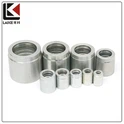
A barbed tube fitting is a crucial component in various fluid transfer systems, known for its simplicity, reliability, and ease of use. As a tube fitting supplier, I've had the privilege of witnessing firsthand the diverse applications and benefits of barbed tube fittings. In this blog, I'll delve into what barbed tube fittings are, their construction, applications, advantages, and how they fit into the broader landscape of tube fittings.
What is a Barbed Tube Fitting?
A barbed tube fitting is a type of connector designed to join two or more tubes or hoses together. It features one or more barbs - small, raised ridges or teeth - on its outer surface. These barbs are angled in a way that allows the tube or hose to slide onto the fitting easily but resist being pulled off. The barbs create a secure mechanical grip on the inner wall of the tube, preventing leakage and maintaining a tight seal.
Barbed tube fittings can be made from a variety of materials, including plastic, brass, stainless steel, and aluminum. The choice of material depends on the specific application, such as the type of fluid being transferred, the operating pressure and temperature, and the environmental conditions.
Construction of Barbed Tube Fittings
The construction of barbed tube fittings is relatively straightforward. The fitting typically consists of a body with one or more barbs, and sometimes a shoulder or flange to provide additional support and prevent over - insertion of the tube. The barbs are carefully designed with a specific taper and pitch to ensure a proper fit with the tube.
The number of barbs on a fitting can vary. Single - barb fittings are used for simple connections, while multi - barb fittings can be used to connect multiple tubes or to create more secure connections. Some barbed fittings also have a smooth section at the end to allow for easy insertion of the tube.
Applications of Barbed Tube Fittings
Barbed tube fittings are used in a wide range of industries and applications. Here are some common examples:
- Automotive Industry: In automotive systems, barbed tube fittings are used for coolant hoses, fuel lines, and vacuum lines. They provide a reliable connection that can withstand the vibrations and temperature changes associated with vehicle operation.
- HVAC Systems: Heating, ventilation, and air conditioning systems use barbed tube fittings to connect refrigerant lines, drain hoses, and ventilation ducts. The fittings ensure a leak - free connection, which is essential for the efficient operation of the system.
- Medical Equipment: In medical devices, barbed tube fittings are used for fluid transfer applications, such as oxygen delivery systems, IV lines, and drainage tubes. The fittings are often made from medical - grade materials to ensure compatibility with the fluids and the safety of the patients.
- Industrial Machinery: Barbed tube fittings are used in various industrial machinery for hydraulic and pneumatic systems, lubrication lines, and chemical transfer. They can handle a wide range of pressures and temperatures, making them suitable for demanding industrial environments.
Advantages of Barbed Tube Fittings
There are several advantages to using barbed tube fittings:

- Easy Installation: One of the biggest advantages of barbed tube fittings is their ease of installation. No special tools are required - the tube can simply be pushed onto the fitting until it reaches the shoulder or flange. This makes them a popular choice for DIY projects and quick repairs.
- Cost - Effective: Barbed tube fittings are generally less expensive than other types of fittings, such as compression fittings or threaded fittings. They offer a cost - effective solution for many fluid transfer applications.
- Versatility: Barbed tube fittings can be used with a variety of tube materials, including rubber, PVC, polyethylene, and silicone. This makes them a versatile option for different applications.
- Leak - Resistance: The barbs on the fitting create a tight seal with the tube, preventing leakage of fluids. This is especially important in applications where even a small leak can cause significant problems.
Comparison with Other Types of Tube Fittings
While barbed tube fittings have many advantages, they also have some limitations compared to other types of tube fittings.
- Compression Fittings: Compression fittings provide a more secure and leak - proof connection, especially at high pressures. However, they require special tools for installation and are generally more expensive than barbed tube fittings.
- Threaded Fittings: Threaded fittings are suitable for high - pressure applications and can be easily disassembled and reassembled. But they require proper threading and sealing to prevent leakage, and the installation process can be more complex.
Our Product Range as a Tube Fitting Supplier
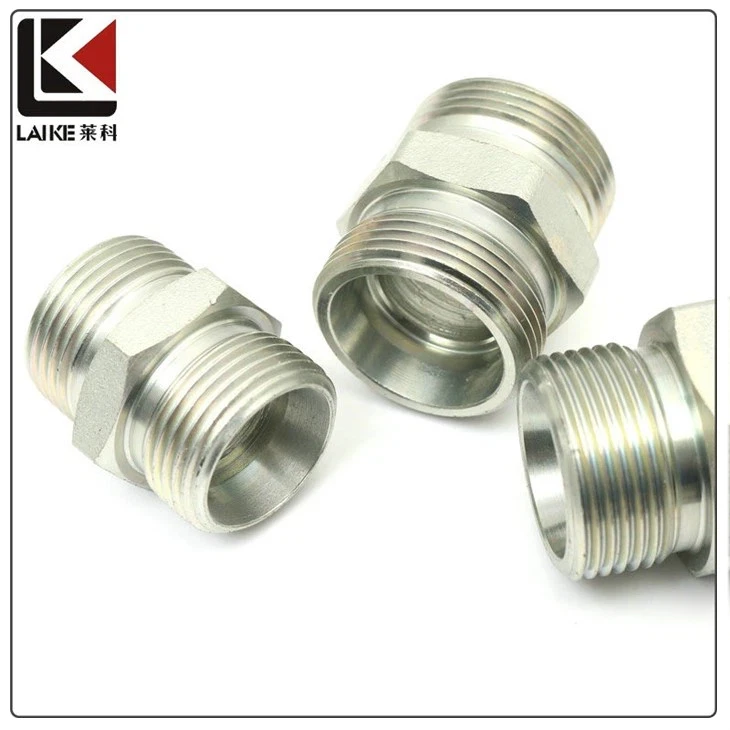
As a tube fitting supplier, we offer a wide range of barbed tube fittings to meet the diverse needs of our customers. In addition to standard barbed fittings, we also provide specialized fittings such as Kumatsu Adapter, BRITISH Adapter, and a variety of Hydraulic Fitting Adapters.
Our fittings are made from high - quality materials and are manufactured to strict quality standards. We ensure that each fitting undergoes rigorous testing to guarantee its performance and reliability. Whether you need a single fitting for a small project or a large quantity for an industrial application, we can provide the right solution for you.
How to Choose the Right Barbed Tube Fitting
When choosing a barbed tube fitting, there are several factors to consider:
- Tube Size: The fitting must be compatible with the size of the tube. Measure the inner diameter of the tube accurately to select the appropriate fitting size.
- Material: Consider the type of fluid being transferred, the operating pressure and temperature, and the environmental conditions. Choose a fitting material that is compatible with these factors.
- Number of Barbs: Determine the number of barbs based on the application. Multi - barb fittings provide a more secure connection, but may not be necessary for all applications.
Contact Us for Your Tube Fitting Needs
If you're in the market for barbed tube fittings or any other type of tube fitting, we'd love to hear from you. Our team of experts can help you select the right fitting for your specific application, provide technical support, and offer competitive pricing. Whether you're a small business, a large industrial manufacturer, or a DIY enthusiast, we have the products and services to meet your needs. Contact us today to start a conversation about your tube fitting requirements.
References
- "Fluid Power Technology Handbook" by Arthur R. Stiles
- "Handbook of Piping Design" by Mohinder L. Nayyar
- Industry standards and specifications for tube fittings