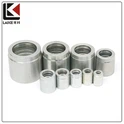
As a hose fitting supplier, I understand the significance of protecting hose fittings from UV rays. UV rays can cause significant damage to hose fittings over time, leading to degradation, cracking, and ultimately, failure. In this blog post, I will discuss the best ways to protect hose fittings from UV rays, ensuring their longevity and performance.
Understanding the Impact of UV Rays on Hose Fittings
UV rays are a part of the electromagnetic spectrum emitted by the sun. They have high energy and can break down the chemical bonds in various materials, including those used in hose fittings. The most common materials for hose fittings are metals like steel, stainless steel, and alloys, as well as plastics and rubber components.

- Metals: While metals are generally more resistant to UV rays than plastics and rubber, prolonged exposure can still cause surface oxidation. For example, steel hydraulic fittings [Steel Hydraulic Fittings] may develop rust over time, which can weaken the fitting and affect its sealing ability.
- Plastics and Rubber: These materials are more vulnerable to UV damage. UV rays can cause plastics to become brittle and crack, while rubber can lose its elasticity and become hard. This can lead to leaks and failures in the hose fitting system.
Best Ways to Protect Hose Fittings from UV Rays
1. Use UV-Resistant Materials
One of the most effective ways to protect hose fittings from UV rays is to use materials that are inherently resistant to UV damage.
- Stainless Steel: Stainless steel hydraulic fittings [Stainless Steel Hydraulic Fittings] are an excellent choice as they contain chromium, which forms a passive oxide layer on the surface. This layer protects the metal from oxidation and corrosion caused by UV exposure.
- UV-Resistant Plastics and Rubbers: Some plastics and rubbers are formulated with UV stabilizers to enhance their resistance to UV rays. When selecting hose fittings with plastic or rubber components, look for products labeled as UV-resistant.
2. Apply Protective Coatings
Applying a protective coating to hose fittings can provide an additional layer of defense against UV rays.
- Paint or Powder Coating: A high-quality paint or powder coating can shield the fitting from direct UV exposure. The coating acts as a barrier, preventing the UV rays from reaching the underlying material. For metal fittings, a powder coating can be particularly effective as it provides a durable and uniform finish.
- UV-Resistant Sealants: Sealants can be used to protect the joints and connections of hose fittings. UV-resistant sealants not only prevent leaks but also protect the exposed areas from UV damage.
3. Provide Physical Barriers
Physical barriers can be used to block UV rays from reaching the hose fittings.
- Shrouds and Covers: Installing shrouds or covers over the hose fittings can effectively shield them from the sun. These can be made of materials such as plastic, metal, or fabric. For example, in outdoor applications, a metal shroud can be used to protect hydraulic fittings from direct sunlight.
- Hose Wraps: Hose wraps are another option for protecting hose fittings. They can be wrapped around the hoses and fittings, providing a physical barrier against UV rays. Some hose wraps are also designed to provide additional insulation and protection against abrasion.
4. Proper Installation and Maintenance
Proper installation and maintenance of hose fittings are crucial for their long-term protection against UV rays.
- Correct Installation: Ensure that the hose fittings are installed correctly according to the manufacturer's instructions. Improper installation can lead to stress on the fittings, making them more susceptible to UV damage.
- Regular Inspections: Regularly inspect the hose fittings for signs of UV damage, such as cracking, discoloration, or loss of elasticity. If any damage is detected, replace the fittings immediately to prevent further problems.
- Cleaning and Lubrication: Keep the hose fittings clean and lubricated. Dirt and debris can accumulate on the fittings, which can trap moisture and accelerate UV damage. Lubrication can also help to prevent friction and wear, extending the life of the fittings.
Case Studies
To illustrate the importance of protecting hose fittings from UV rays, let's look at a few case studies.
-
Case Study 1: Outdoor Construction Site A construction company was using standard steel hydraulic fittings in an outdoor construction site. After a few months of exposure to sunlight, the fittings started to show signs of rust and corrosion. This led to leaks in the hydraulic system, causing delays in the construction project. By replacing the standard steel fittings with stainless steel hydraulic fittings [Stainless Steel Hydraulic Fittings] and installing protective shrouds, the company was able to prevent further UV damage and improve the reliability of the hydraulic system.
-
Case Study 2: Agricultural Irrigation System An agricultural irrigation system was using plastic hose fittings. Over time, the fittings were exposed to direct sunlight, causing them to become brittle and crack. This resulted in water leaks and reduced efficiency of the irrigation system. By replacing the plastic fittings with UV-resistant plastic fittings and applying a UV-resistant coating, the system's performance was restored, and the lifespan of the fittings was extended.
Conclusion
Protecting hose fittings from UV rays is essential for ensuring their longevity and performance. By using UV-resistant materials, applying protective coatings, providing physical barriers, and implementing proper installation and maintenance practices, you can significantly reduce the risk of UV damage to your hose fittings.
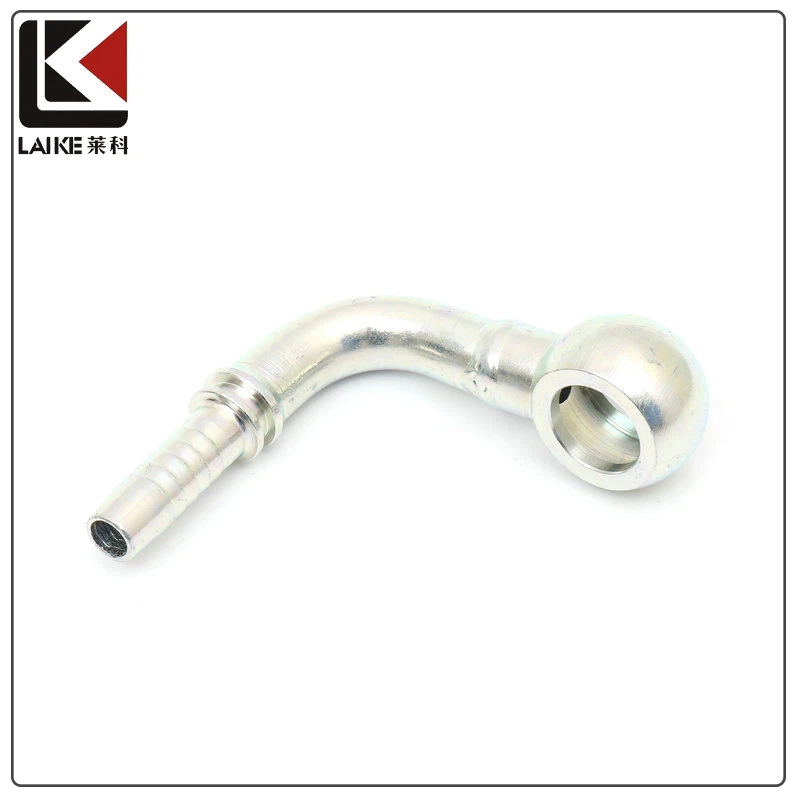
As a hose fitting supplier, we offer a wide range of high-quality hose fittings, including Steel Hydraulic Fittings, BANJO Hydraulic Fittings, and Stainless Steel Hydraulic Fittings. Our products are designed to withstand the harsh effects of UV rays and other environmental factors. If you are interested in learning more about our hose fittings or need assistance in selecting the right products for your application, please contact us for procurement and further discussions.
References
- ASTM International. (20XX). Standard Test Methods for Evaluating the Resistance of Plastics to Environmental Stress Cracking.
- Society of Automotive Engineers (SAE). (20XX). Hydraulic Hose Fittings Standards.
- Corrosion Doctors. (20XX). Corrosion and UV Exposure.