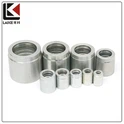
In the world of fluid conveyance systems, selecting the right hose fittings is crucial for ensuring optimal performance, safety, and reliability. Two of the most commonly used types of hose fittings in hydraulic and other fluid transfer applications are JIC (Joint Industry Council) and AN (Army-Navy) fittings. As a JIC Hose Fittings supplier, I often receive inquiries from customers seeking to understand the differences between these two types of fittings. In this blog post, I will delve into the key characteristics, distinctions, and applications of JIC and AN hose fittings to help you make an informed decision for your specific needs.
Overview of JIC Hose Fittings
JIC fittings are widely recognized in the hydraulic industry for their versatility and reliability. They are designed to provide a leak-free connection in high-pressure hydraulic systems, making them suitable for a variety of applications, including construction equipment, agricultural machinery, and industrial automation. JIC fittings feature a 37-degree flare seating surface, which provides a metal-to-metal seal when tightened against a mating component. This design ensures a secure and reliable connection, even under high pressure and vibration.
One of the key advantages of JIC fittings is their compatibility with a wide range of hydraulic hoses and tubing. They are available in various sizes and configurations, allowing for easy installation and replacement in existing systems. Additionally, JIC fittings are made from high-quality materials, such as stainless steel, carbon steel, and brass, ensuring durability and resistance to corrosion and wear.
As a JIC Hose Fittings supplier, I offer a comprehensive range of JIC fittings, including straight connectors, elbows, tees, and adapters. Our FJX Fitting is a popular choice among customers due to its high-quality construction and reliable performance. It is designed to meet or exceed industry standards, ensuring a leak-free connection in even the most demanding applications.
Overview of AN Hose Fittings
AN fittings, on the other hand, have a long history in the aerospace and automotive industries. They were originally developed for use in military applications during World War II and have since become a standard in high-performance fluid transfer systems. AN fittings feature a 37-degree flare seating surface, similar to JIC fittings, but they are designed to meet specific military specifications.
One of the main differences between AN and JIC fittings is the sizing system. AN fittings use a numerical sizing system based on the outside diameter of the tubing, while JIC fittings use a more traditional fractional sizing system. This can make it challenging to interchange AN and JIC fittings, as they may not be compatible in terms of size and thread pitch.


AN fittings are typically made from high-quality materials, such as aluminum, stainless steel, and titanium, to ensure lightweight and corrosion-resistant performance. They are commonly used in applications where weight is a critical factor, such as aerospace and racing vehicles. Our Hydraulic Hose Barb is a type of AN fitting that is designed to provide a secure connection between a hydraulic hose and a fitting. It features a barbed design that allows the hose to be easily installed and removed, making it a popular choice for maintenance and repair applications.
Key Differences between JIC and AN Hose Fittings
- Sizing System: As mentioned earlier, JIC fittings use a fractional sizing system, while AN fittings use a numerical sizing system. This difference in sizing can make it difficult to interchange the two types of fittings, as they may not be compatible in terms of size and thread pitch.
- Industry Standards: JIC fittings are designed to meet industry standards, such as SAE J514, which specify the dimensions, materials, and performance requirements for hydraulic fittings. AN fittings, on the other hand, are designed to meet specific military specifications, such as MIL-F-18866. These standards ensure that the fittings are suitable for use in high-performance applications.
- Material and Finish: JIC fittings are commonly made from carbon steel, stainless steel, or brass, and they are often coated with a protective finish, such as zinc plating or black oxide, to prevent corrosion. AN fittings are typically made from aluminum, stainless steel, or titanium, which are lightweight and corrosion-resistant materials. They may also have a specialized finish, such as anodizing, to enhance their durability and appearance.
- Applications: JIC fittings are widely used in hydraulic systems in various industries, including construction, agriculture, and industrial manufacturing. They are suitable for high-pressure applications and can handle a wide range of fluids, including oil, water, and air. AN fittings, on the other hand, are commonly used in aerospace, automotive, and racing applications, where weight and performance are critical factors.
- Cost: JIC fittings are generally more cost-effective than AN fittings, as they are mass-produced and widely available in the market. AN fittings, on the other hand, are often more expensive due to their specialized design and higher-quality materials.
Choosing the Right Fittings for Your Application
When selecting between JIC and AN hose fittings, it is important to consider the specific requirements of your application. Here are some factors to keep in mind:
- Pressure and Temperature: Determine the maximum pressure and temperature that the fitting will be exposed to in your system. Make sure to choose a fitting that is rated for the appropriate pressure and temperature range.
- Fluid Compatibility: Consider the type of fluid that will be flowing through the fitting, such as hydraulic oil, water, or air. Ensure that the fitting is compatible with the fluid to prevent corrosion and other issues.
- Size and Configuration: Measure the size of the hydraulic hose or tubing that you will be using and choose a fitting that matches the size and configuration. Pay attention to the thread pitch and the type of connection, such as straight or elbow.
- Industry Standards: If your application requires compliance with specific industry standards, make sure to choose a fitting that meets or exceeds those standards.
- Cost and Availability: Consider your budget and the availability of the fittings in the market. JIC fittings are generally more cost-effective and widely available, while AN fittings may be more expensive and harder to find.
Conclusion
In conclusion, JIC and AN hose fittings are both popular choices for hydraulic and other fluid transfer applications, but they have some key differences in terms of sizing, industry standards, material, and applications. As a JIC Hose Fittings supplier, I understand the importance of providing high-quality fittings that meet the specific needs of our customers. Whether you need JIC fittings for a construction project or AN fittings for a high-performance racing vehicle, we have the expertise and the products to help you find the right solution.
If you have any questions or need assistance in selecting the right hose fittings for your application, please do not hesitate to contact us. We are here to help you make an informed decision and ensure that your fluid conveyance system operates safely and efficiently. Let's start a discussion about your procurement needs and find the best fitting solutions together.
References
- SAE J514 - Standard for JIC Fittings
- MIL-F-18866 - Military Specification for AN Fittings