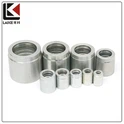
Hey there! As a supplier of SAE flange adapters, I'm super stoked to walk you through the installation process of these nifty little components. Whether you're a seasoned pro in the hydraulic game or just starting out, understanding how to properly install an SAE flange adapter is crucial for a smooth and efficient hydraulic system.
What Exactly is an SAE Flange Adapter?
Before we dive into the installation process, let's quickly go over what an SAE flange adapter is. SAE, which stands for the Society of Automotive Engineers, has set some pretty standard specifications for these adapters. They're used in hydraulic systems to connect different components, like pumps, valves, and cylinders. These adapters ensure a leak - free and secure connection between parts, which is essential for the overall performance of the hydraulic system.
Tools You'll Need
First things first, you're gonna need the right tools for the job. Here's a basic list:
- A torque wrench: This is crucial for tightening the bolts to the correct specification. Over - tightening or under - tightening can lead to leaks or damage.
- Socket set: You'll use this to remove and install the bolts that hold the adapter in place.
- Sealant (if required): Some installations may call for a sealant to ensure an extra - tight seal. Make sure to choose a sealant that's compatible with the hydraulic fluid in your system.
- Cleaning supplies: You'll want to clean the mating surfaces before installation to prevent any dirt or debris from getting into the system. A clean cloth and some solvent can do the trick.
Step - by - Step Installation Process
Step 1: Preparation
- Inspect the Adapter: Before you start, take a good look at the SAE flange adapter. Check for any signs of damage, like cracks, scratches, or burrs. If you notice any issues, don't use it. You can American Adapter as a reference for high - quality adapters.
- Inspect the Mating Surfaces: Look at the surfaces where the adapter will be installed. They should be clean, flat, and free of any damage. If there are any rough spots or debris, use your cleaning supplies to get them in tip - top shape.
Step 2: Apply Sealant (if needed)
- If your installation requires a sealant, apply it to the appropriate areas of the adapter. Make sure to follow the manufacturer's instructions on how much to use and where to apply it. Some adapters come with pre - installed seals, so you may not need to use additional sealant in those cases.
Step 3: Position the Adapter
- Carefully place the SAE flange adapter on the mating surface. Align the holes in the adapter with the holes in the component you're connecting it to. This is a crucial step, as misalignment can cause leaks and make it difficult to install the bolts.
Step 4: Insert the Bolts
- Take your bolts and insert them through the holes in the adapter and into the component. Don't fully tighten them yet. Just hand - tighten them enough to hold the adapter in place.
Step 5: Tighten the Bolts
- Now it's time to break out the torque wrench. Refer to the manufacturer's specifications for the correct torque value. Start by tightening the bolts in a criss - cross pattern. This helps to ensure even pressure across the adapter and prevents it from warping. Tighten each bolt gradually, checking the torque as you go.
Step 6: Check for Leaks
- Once you've tightened all the bolts, it's time to test for leaks. Start your hydraulic system and let it run for a few minutes. Keep an eye on the adapter and the surrounding area for any signs of fluid leakage. If you notice a leak, stop the system immediately and check the bolts for proper tightening. You may also need to check the sealant or the condition of the adapter.
Step 7: Additional Checks
- After running the system for a while, check the bolts again to make sure they haven't loosened. Vibrations from the system can sometimes cause bolts to come loose over time. If you find any loose bolts, tighten them to the correct torque value.
Flange Joint and Hydraulic Plugs
It's also important to mention Flange Joint and Hydraulic Plugs in the context of SAE flange adapter installation. Flange joints play a vital role in ensuring a secure connection between different parts of the hydraulic system. They work hand - in - hand with the SAE flange adapter to keep everything in place and prevent leaks.
Hydraulic plugs, on the other hand, are used to seal off unused ports in the system. When installing an SAE flange adapter, you may need to remove or install hydraulic plugs depending on your system's configuration. Make sure to choose high - quality plugs that are compatible with your hydraulic fluid and the pressure in your system.
Conclusion
Installing an SAE flange adapter isn't overly complicated, but it does require attention to detail. By following these steps and using the right tools, you can ensure a successful installation and a reliable hydraulic system.


If you're in the market for SAE flange adapters, American Adapter offers a wide range of high - quality options. And if you have any questions about the installation process or need help choosing the right adapter for your system, don't hesitate to reach out. We're here to assist you in making the best choices for your hydraulic needs. Whether you're a small - scale operation or a large industrial facility, we've got the products and expertise to support you.
References
- SAE J518 - Standard for SAE Flange Connections
- Hydraulic System Installation and Maintenance Manuals