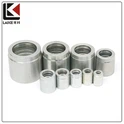
Hey there! As a supplier of BSPT Adapters, I often get asked if these adapters are suitable for high - altitude applications. Well, let's dive right into it and figure this out.

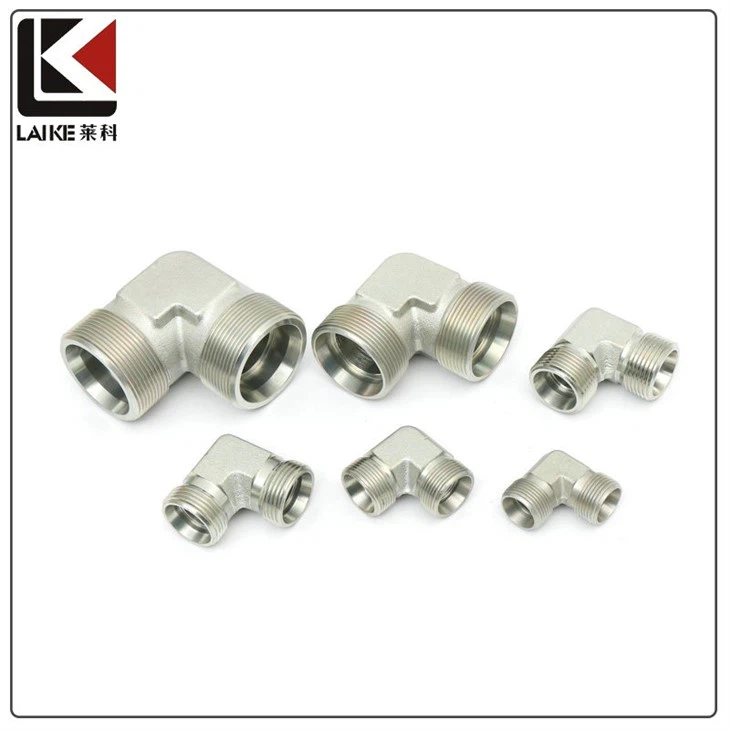
First off, let's understand what BSPT Adapters are. BSPT stands for British Standard Pipe Tapered. These adapters are commonly used in various industries for connecting different pipes and fittings. They have a tapered thread design, which creates a tight seal when screwed into place. This seal is crucial as it prevents leaks and ensures the proper flow of fluids or gases through the piping system.
Now, high - altitude applications come with their own set of challenges. At high altitudes, the atmospheric pressure is significantly lower than at sea level. This change in pressure can have a big impact on the performance of pipes and fittings. For instance, a lower atmospheric pressure means that there's less external force pushing against the pipes. This can potentially lead to issues like leaks if the seals aren't strong enough.
One of the main concerns with using BSPT Adapters at high altitudes is the integrity of the seal. The tapered thread design of BSPT Adapters relies on the compression of the threads to create a seal. In a normal atmospheric pressure environment, this works great. But at high altitudes, the reduced external pressure might cause the seal to loosen over time. This is because there's less force holding the threads together, and any vibrations or movements in the piping system could exacerbate the problem.
Another factor to consider is the material of the BSPT Adapters. Most BSPT Adapters are made of metals like brass, stainless steel, or carbon steel. These materials have different properties when it comes to expansion and contraction. At high altitudes, the temperature can vary greatly, especially between day and night. Metals expand when heated and contract when cooled. If the material of the adapter isn't able to handle these temperature - related changes well, it could lead to cracks or deformation, which would then compromise the seal.
However, it's not all doom and gloom. There are ways to make BSPT Adapters work in high - altitude applications. For starters, proper installation is key. Using the right tools and techniques to tighten the adapters can ensure a better initial seal. It's also important to use thread sealants. These sealants fill in the gaps between the threads, providing an extra layer of protection against leaks. There are different types of thread sealants available, such as PTFE tape and anaerobic sealants. PTFE tape is easy to use and can be wrapped around the threads before installation. Anaerobic sealants, on the other hand, cure in the absence of air and form a strong bond between the threads.
When it comes to material selection, choosing a high - quality metal with good thermal stability can make a big difference. Stainless steel, for example, is known for its resistance to corrosion and its ability to handle temperature variations. It's a popular choice for high - altitude applications where the adapter might be exposed to harsh environmental conditions.
Let's also talk about the compatibility of BSPT Adapters with other components in the piping system. In high - altitude applications, it's important to ensure that all the pipes and fittings are compatible with each other. This includes not only the thread type but also the material and size. Using Pipe Fittings that are specifically designed for high - altitude use can help minimize the risk of problems. Similarly, Jis Fittings can be a good option if they meet the requirements of your application.
The design of the piping system itself also plays a role. A well - designed system will take into account the unique conditions of high - altitude environments. For example, providing proper support for the pipes can reduce the stress on the adapters caused by vibrations and movements. Using flexible connectors can also help absorb some of the shocks and prevent damage to the adapters.
Flange joints are another important aspect to consider. Flange Joint connections can provide a more robust and reliable seal compared to threaded connections in some cases. They are often used in high - pressure and high - temperature applications. In high - altitude settings, flange joints can be used in combination with BSPT Adapters to create a more secure piping system.
In conclusion, BSPT Adapters can be used in high - altitude applications, but it requires careful consideration and proper planning. From the material and installation to the overall design of the piping system, every aspect needs to be thought through. If you're in need of BSPT Adapters for a high - altitude project, don't hesitate to reach out. We can work together to find the best solutions for your specific needs. Whether it's choosing the right material, providing the necessary installation advice, or suggesting complementary products like flange joints or other fittings, we've got you covered.
If you're interested in discussing your requirements further, feel free to get in touch. We're always happy to have a chat and help you make the right decisions for your project.
References
- Handbook of Piping Design and Engineering
- High - Altitude Engineering and Construction Manual