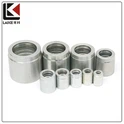
Can JIC hose fittings be used in power generation plants?
As a dedicated supplier of JIC hose fittings, I often encounter inquiries from various industries, particularly power generation plants, regarding the suitability of our products. In this blog post, I'll delve into the technical aspects, advantages, and potential challenges of using JIC hose fittings in power generation plants.
Technical Specifications of JIC Hose Fittings
JIC (Joint Industry Council) hose fittings are well - known for their standardized design. They feature a 37 - degree flare seat, which provides a reliable and leak - resistant connection. This design is in line with industry standards, ensuring compatibility with a wide range of hoses and other hydraulic components. The materials used in JIC hose fittings, such as stainless steel, carbon steel, and brass, offer different levels of strength, corrosion resistance, and durability.
In power generation plants, where systems operate under high pressures and often in harsh environments, the strength of the fittings is of utmost importance. Stainless steel JIC fittings, for example, can withstand high - pressure applications and are highly resistant to corrosion caused by moisture, chemicals, and high - temperature conditions. This makes them suitable for use in various power generation processes, including steam turbines, gas turbines, and hydroelectric systems.
Advantages of Using JIC Hose Fittings in Power Generation Plants
1. Leak - Resistance
One of the primary advantages of JIC hose fittings is their excellent leak - resistance. In power generation plants, even a small leak can lead to significant energy losses, equipment damage, and safety hazards. The 37 - degree flare seat design of JIC fittings creates a tight seal between the fitting and the hose, reducing the risk of leaks. This is crucial in hydraulic systems that are used for controlling valves, actuators, and other critical components in power plants.
2. Compatibility
JIC hose fittings are highly compatible with different types of hoses, including hydraulic hoses, fuel hoses, and coolant hoses. This compatibility allows power generation plants to use a single type of fitting for multiple applications, simplifying the inventory management and reducing the risk of using incorrect fittings. For example, in a combined - cycle power plant, JIC fittings can be used for both the hydraulic control systems of the gas turbine and the cooling water systems.
3. Ease of Installation and Maintenance
JIC hose fittings are relatively easy to install and maintain. They do not require special tools or complex procedures for installation, which can save time and labor costs during the construction and maintenance of power generation plants. Additionally, the simple design of JIC fittings makes it easy to inspect and replace them when necessary. This is important in power plants, where downtime for maintenance should be minimized to ensure continuous power generation.
4. Cost - Effectiveness
Compared to some other types of high - performance fittings, JIC hose fittings are cost - effective. They offer a good balance between performance and price, making them an attractive option for power generation plants, especially those with budget constraints. The long - term durability of JIC fittings also reduces the need for frequent replacements, further lowering the overall cost of ownership.
Potential Challenges and Considerations
1. High - Pressure Applications
While JIC hose fittings are suitable for many high - pressure applications, extremely high - pressure systems in power generation plants may require additional considerations. In some cases, the fittings may need to be specially designed or reinforced to withstand the high pressures. For example, in a high - pressure steam system, the JIC fittings may need to be made of high - strength materials and have a thicker wall thickness to prevent failure.
2. Environmental Conditions
Power generation plants can operate in a variety of environmental conditions, including high temperatures, high humidity, and exposure to chemicals. Some materials used in JIC hose fittings may not be suitable for all environmental conditions. For instance, brass fittings may corrode in highly acidic or alkaline environments. Therefore, it is important to select the appropriate material for the JIC fittings based on the specific environmental conditions of the power plant.
3. System Compatibility
Although JIC hose fittings are generally compatible with a wide range of hoses and components, it is still necessary to ensure that they are compatible with the specific hydraulic system in the power generation plant. This includes considering factors such as the flow rate, pressure rating, and fluid type of the system. Using incompatible fittings can lead to reduced performance, leaks, and even system failure.


Applications in Different Types of Power Generation Plants
1. Thermal Power Plants
In thermal power plants, JIC hose fittings are used in various hydraulic systems, such as the lubrication systems of turbines, the control systems of valves, and the cooling water systems. The leak - resistance and durability of JIC fittings are essential in these applications to ensure the efficient and safe operation of the power plant. For example, in the lubrication system of a steam turbine, JIC fittings are used to connect the oil hoses, ensuring a continuous supply of lubricating oil to the turbine bearings.
2. Hydroelectric Power Plants
Hydroelectric power plants rely on hydraulic systems for controlling the water flow, opening and closing the gates, and operating the turbines. JIC hose fittings are well - suited for these applications due to their compatibility with water - based hydraulic fluids and their ability to withstand the high pressures and forces involved in hydroelectric operations. They are used in the penstock control systems, turbine governor systems, and other hydraulic components of the power plant.
3. Renewable Energy Power Plants
Renewable energy power plants, such as wind farms and solar power plants, also use hydraulic systems in some of their components. For example, in wind turbines, hydraulic systems are used for pitch control and yaw control. JIC hose fittings can be used in these hydraulic systems to provide reliable connections and ensure the proper operation of the turbines.
Related Products
If you are interested in exploring other types of hose fittings for your power generation plant, we also offer Reusable Hydraulic Fittings, which are easy to install and reuse, and One Piece Hose Fitting, which provides a more compact and integrated solution. You can also learn more about our JIC Hydraulic Fittings on our website.
Conclusion
In conclusion, JIC hose fittings can be effectively used in power generation plants. Their leak - resistance, compatibility, ease of installation and maintenance, and cost - effectiveness make them a suitable choice for a wide range of applications in different types of power generation plants. However, it is important to consider the specific requirements of the power plant, such as high - pressure applications, environmental conditions, and system compatibility, when selecting JIC hose fittings.
If you are a power generation plant operator or engineer and are considering using JIC hose fittings in your facility, I encourage you to contact us for a detailed consultation. Our team of experts can help you select the right fittings for your specific needs and ensure a smooth and efficient operation of your power generation systems.
References
- "Hydraulic Fittings Handbook" by Industrial Press Inc.
- "Power Generation Systems: Design, Analysis, and Operation" by Ali Keyhani and Mohammad Shahidehpour.