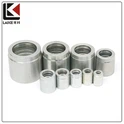
Hey there! As a supplier of hose fittings, I often get asked whether hose fittings require maintenance. Well, the short answer is yes, they do. But let's dig deeper into this topic and explore why maintenance is crucial, how to do it, and what happens if you neglect it.
First off, let's understand what hose fittings are. Hose fittings are components used to connect hoses to other parts of a system, like pumps, valves, or machinery. They come in various shapes and sizes, and different types are designed for specific applications. For instance, One Piece Hose Fitting is a popular choice due to its simplicity and reliability. These fittings are often used in hydraulic systems, where they need to withstand high pressures and ensure a leak - free connection.
Now, why do hose fittings need maintenance? One of the main reasons is to prevent leaks. A small leak in a hose fitting might seem insignificant at first, but over time, it can lead to a significant loss of fluid. In hydraulic systems, this can result in reduced efficiency, increased wear and tear on other components, and even system failure. Leaks can also be a safety hazard, especially if the fluid being transported is flammable or toxic.
Another reason for maintenance is to ensure the longevity of the fittings. Hose fittings are exposed to a variety of environmental factors, such as temperature changes, moisture, and chemical exposure. These factors can cause corrosion, which weakens the fittings and makes them more prone to failure. Regular maintenance helps to identify and address corrosion early, extending the life of the fittings.
So, how do you maintain hose fittings? The first step is regular inspection. You should visually inspect the fittings for any signs of damage, such as cracks, dents, or corrosion. Check the connections to make sure they are tight and there are no signs of leakage. This inspection should be done at least once a month, or more frequently in high - stress applications.
If you notice any signs of damage during the inspection, it's important to take action immediately. For minor damage, you might be able to repair the fitting. However, in most cases, it's better to replace the damaged fitting to ensure the safety and reliability of the system. When replacing a fitting, make sure to choose the right type and size for your application. For example, if you're working with a hydraulic system, Caterpillar Hydraulic Fittings are a great option as they are designed to meet the high - standards of heavy - duty equipment.


Cleaning is also an important part of maintenance. Over time, dirt, debris, and contaminants can accumulate on the fittings, which can cause abrasion and accelerate wear. Use a clean, dry cloth to wipe the fittings regularly. If there is stubborn dirt or grime, you can use a mild detergent and water to clean the fittings. Just make sure to dry them thoroughly after cleaning to prevent corrosion.
Lubrication is another key aspect of maintenance. Applying a small amount of lubricant to the threads of the fittings can make it easier to install and remove them. It also helps to prevent galling, which is a form of wear that occurs when two metal surfaces rub against each other under high pressure. However, make sure to use the right type of lubricant for your application. Some fluids, such as hydraulic oil, can break down certain types of lubricants, so it's important to choose a lubricant that is compatible with the fluid being transported.
What happens if you neglect hose fitting maintenance? Well, as I mentioned earlier, neglecting maintenance can lead to leaks, which can cause system failure and safety hazards. It can also result in increased downtime and repair costs. If a fitting fails during operation, it can cause the entire system to shut down, which can be costly in terms of lost production time. Additionally, replacing a failed fitting is often more expensive than regular maintenance, as it may require the replacement of other damaged components as well.
In addition to the technical aspects, proper maintenance of hose fittings can also have a positive impact on your bottom line. By extending the life of the fittings and preventing system failures, you can reduce your overall operating costs. This is especially important for businesses that rely on hydraulic systems or other hose - based systems in their operations.
As a hose fitting supplier, I understand the importance of providing high - quality products and ensuring that our customers know how to maintain them. That's why we offer a wide range of hose fittings, including One Piece Hose Fitting and Hose End, and we're always available to provide advice on maintenance and installation.
If you're in the market for hose fittings or need more information on how to maintain them, don't hesitate to reach out. We're here to help you find the right solutions for your needs and ensure that your systems run smoothly and safely. Whether you're a small business or a large industrial operation, we have the expertise and products to meet your requirements.
In conclusion, hose fittings definitely require maintenance. Regular inspection, cleaning, lubrication, and timely replacement of damaged fittings are essential for preventing leaks, ensuring system reliability, and extending the life of the fittings. By taking good care of your hose fittings, you can save money, reduce downtime, and improve the safety of your operations. So, if you haven't already, start implementing a maintenance plan for your hose fittings today.
References
- Industry standards and best practices for hose fitting maintenance
- Manufacturer's guidelines for specific hose fitting products