Hey there! As a supplier of hydraulic fittings, I've had the chance to work with all sorts of materials. And let me tell you, each one has its own unique set of material properties that can make a huge difference in how well a hydraulic fitting performs. So, in this blog, I'm gonna break down the material properties of different hydraulic fitting materials.
Stainless Steel
Stainless steel is one of the most popular materials for hydraulic fittings, and for a good reason. First off, it's incredibly corrosion - resistant. This means that even when it's exposed to harsh chemicals, water, or other corrosive substances, it won't rust or corrode easily. Whether you're using the fittings in a marine environment, a chemical processing plant, or just outdoors where there's a lot of moisture, stainless steel can stand up to the elements.
In terms of strength, stainless steel is no slouch either. It has a high tensile strength, which allows it to withstand high pressures without deforming or breaking. This is crucial in hydraulic systems where pressures can get pretty intense. You don't want your fittings to fail under pressure, and stainless steel helps ensure that won't happen.
Another great thing about stainless steel is its durability. It can handle a lot of wear and tear over time. It's resistant to abrasion, so even if there's some rubbing or scraping during installation or use, it won't get damaged easily. And it also has good heat resistance, which means it can maintain its properties even in high - temperature environments.
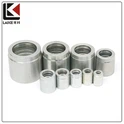
If you're looking for a reliable and long - lasting option, stainless steel hydraulic fittings are a great choice. You can check out our Hydraulic Hose Ferrule made of stainless steel for a high - quality product.
Carbon Steel
Carbon steel is also widely used in hydraulic fittings. One of its main advantages is its strength. Carbon steel has a high yield strength, which means it can support heavy loads and high pressures. It's often used in applications where the hydraulic system requires a lot of force, like in heavy - duty machinery.
However, carbon steel is not as corrosion - resistant as stainless steel. It will rust if it's exposed to moisture or corrosive substances for a long time. But this can be mitigated through proper coating or plating. For example, many carbon steel hydraulic fittings are galvanized or painted to protect them from rust.
In terms of cost, carbon steel is generally more affordable than stainless steel. This makes it a popular choice for budget - conscious projects where high strength is needed but corrosion resistance isn't the top priority. If you're interested in carbon steel fittings, our DKO Hydraulic Fittings offer a cost - effective solution with good performance.
Brass
Brass is a non - ferrous metal that's commonly used in hydraulic fittings. One of the standout features of brass is its excellent machinability. It's easy to cut, shape, and thread, which makes it a favorite among manufacturers. This also means that brass fittings can be produced with high precision, ensuring a good fit in the hydraulic system.
Brass has decent corrosion resistance, especially in environments where there's no exposure to strong acids or alkalis. It's also a good conductor of heat, which can be an advantage in some hydraulic applications where heat dissipation is important.

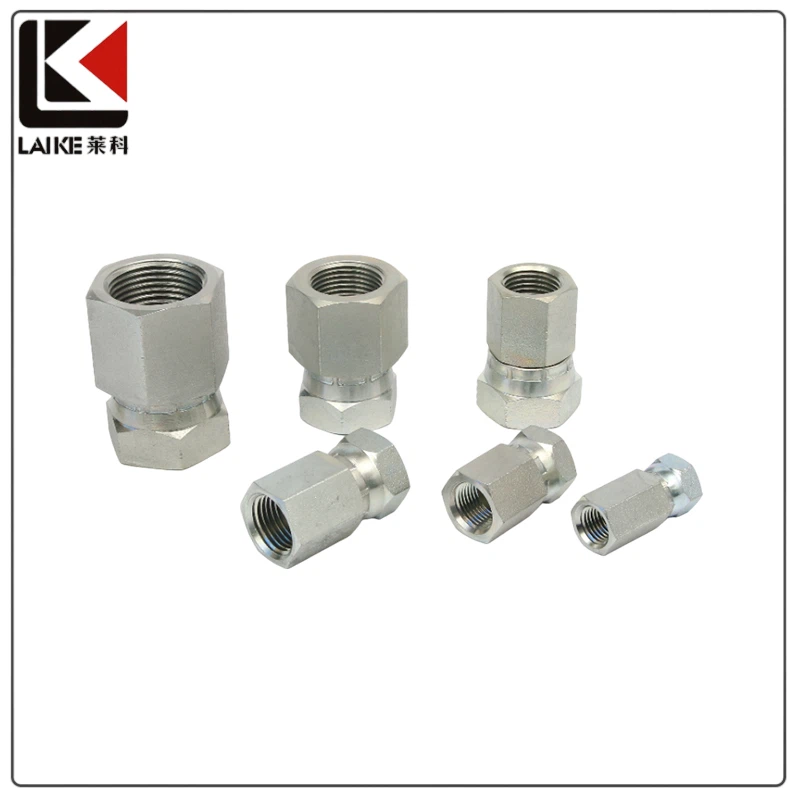
Another benefit of brass is its aesthetic appeal. It has a nice golden - yellow color that can make the hydraulic system look more presentable. However, brass is not as strong as steel. It has a lower tensile strength, so it's not suitable for applications with extremely high pressures.
If you're looking for a fitting that's easy to work with and has a bit of style, our Adapter Hydraulic made of brass might be just what you need.
Aluminum
Aluminum is a lightweight material that's gaining popularity in hydraulic fittings. Its most obvious advantage is its low weight. This can be a huge benefit in applications where weight is a concern, like in aerospace or automotive hydraulic systems. Lighter fittings mean less overall weight of the system, which can improve fuel efficiency and performance.
Aluminum also has good corrosion resistance. It forms a thin oxide layer on its surface when exposed to air, which protects it from further corrosion. However, this oxide layer can be damaged by certain chemicals or abrasion, so in some cases, additional protection may be needed.
In terms of strength, aluminum is not as strong as steel. But it can still handle moderate pressures. And with advancements in alloy technology, aluminum alloys are becoming stronger and more suitable for a wider range of hydraulic applications.
Plastic
Plastic hydraulic fittings are becoming more common, especially in low - pressure applications. One of the biggest advantages of plastic is its cost. It's much cheaper to produce than metal fittings. This makes it a great option for projects with a tight budget.
Plastic is also lightweight, which can be beneficial in applications where weight is an issue. It's easy to install and doesn't require any special tools in most cases.
However, plastic has some limitations. It has lower strength and durability compared to metal. It's not suitable for high - pressure or high - temperature applications. It can also be prone to cracking or breaking if it's exposed to sharp objects or extreme conditions. But for low - pressure, non - critical hydraulic systems, plastic fittings can be a practical choice.
Choosing the Right Material
When it comes to choosing the right material for your hydraulic fittings, there are a few things you need to consider. First, think about the pressure requirements of your hydraulic system. If you need to handle high pressures, stainless steel or carbon steel might be the best options. For low - pressure systems, plastic or brass could work.
The environment where the fittings will be used is also crucial. If it's a corrosive environment, stainless steel or properly coated carbon steel is a must. In a high - temperature environment, materials with good heat resistance like stainless steel or some aluminum alloys are better.
Cost is another factor. If you're on a tight budget, carbon steel or plastic might be more suitable. But if you're willing to invest in a long - lasting and reliable product, stainless steel is a great choice.
We at [Company Name] (not real, just for context) have a wide range of hydraulic fittings made from different materials to meet your specific needs. Whether you're looking for a high - strength carbon steel fitting or a corrosion - resistant stainless steel one, we've got you covered. And our Adapter Hydraulic selection offers a variety of options for different applications.
If you're interested in purchasing hydraulic fittings or have any questions about the materials, feel free to reach out to us. We're always happy to help you find the right product for your project. Our team of experts can provide you with more detailed information and guide you through the selection process.
In conclusion, understanding the material properties of different hydraulic fitting materials is essential for making the right choice. Each material has its own pros and cons, and by considering your specific requirements, you can ensure that your hydraulic system runs smoothly and efficiently. So, don't hesitate to contact us for all your hydraulic fitting needs, and let's get your project on the right track!
References
- "Hydraulic Fitting Handbook" - A comprehensive guide on hydraulic fittings and their materials.
- "Materials Science for Engineers" - A textbook that provides in - depth knowledge about the properties of different metals and plastics.