As a supplier of NPT Adapters, I get a lot of questions from customers about how to check if these adapters are leaking. It's a common concern because a leaking NPT Adapter can lead to all sorts of problems, from efficiency losses to safety hazards. In this blog post, I'll share some practical ways to check for leaks in NPT Adapters.
Understanding NPT Adapters
First off, let's quickly understand what NPT Adapters are. NPT stands for National Pipe Tapered, and these adapters are used to connect different pipes or components in a plumbing or hydraulic system. Their tapered design is meant to create a tight seal when threaded into place, but sometimes, leaks can still occur.
Visual Inspection
The simplest way to start checking for a leak is with a visual inspection. This is something you can do quickly and easily. Just take a good look at the NPT Adapter and the area around it. Look for any signs of moisture, drips, or puddles. Sometimes, you might see a small stream of liquid or a misty area, which are clear indicators of a leak.
If you're dealing with a system that carries a colored fluid, like coolant or hydraulic oil, it's even easier to spot a leak. The colored fluid will leave a visible stain on the surrounding surfaces. Also, check for any signs of corrosion or damage on the adapter itself. Corroded or damaged threads can cause leaks, as they won't create a proper seal.

Pressure Testing
Pressure testing is a more accurate way to check for leaks. You'll need a pressure gauge and a way to pressurize the system. First, make sure the system is shut off and depressurized. Then, connect the pressure gauge to the system near the NPT Adapter.
Next, slowly increase the pressure in the system to the normal operating pressure or a slightly higher test pressure. Keep an eye on the pressure gauge. If the pressure drops over time, it's a sign that there might be a leak. You can also listen carefully for any hissing sounds, which can indicate a leak.
While the system is pressurized, use a leak detection solution. You can buy a commercial leak detection spray, or you can make your own by mixing a little dish soap with water. Spray the solution on the NPT Adapter and its connections. If there's a leak, the solution will form bubbles at the leak point.
Using Ultrasonic Leak Detectors
If you're dealing with hard - to - detect leaks or you want a more precise way to check, ultrasonic leak detectors can be a great option. These detectors work by picking up the high - frequency sound waves that are produced when a fluid leaks through a small opening.
To use an ultrasonic leak detector, turn it on and set it to the appropriate mode. Then, slowly move the detector around the NPT Adapter and its connections. When the detector picks up the sound of a leak, it will give you an audible or visual signal. This method is especially useful for detecting small leaks that might not be visible or detectable with other methods.
Checking the Installation
Sometimes, the problem isn't with the NPT Adapter itself but with how it was installed. Make sure the adapter was threaded in correctly. It should be tightened to the proper torque. If it's not tightened enough, it can leak. On the other hand, over - tightening can damage the threads and also cause leaks.
Check if the correct type of sealant was used. There are different types of sealants available for NPT Adapters, such as Teflon tape or pipe dope. Make sure you're using the right one for your application. Also, make sure the sealant was applied correctly. For example, when using Teflon tape, you should wrap it around the threads in the right direction.
Comparing with Other Components
If you suspect a leak in an NPT Adapter but can't confirm it, you can compare it with other similar components in the system. For example, if you have multiple NPT Adapters in a hydraulic system, check the others to see if they are working properly. If the other adapters are fine, it's more likely that the suspected adapter has a problem.
You can also look at the performance of the overall system. If there's a drop in pressure or flow rate in a particular part of the system where the NPT Adapter is located, it could be due to a leak.
Importance of Regular Checks
Regularly checking your NPT Adapters for leaks is crucial. Leaks can lead to a loss of fluid, which can be costly, especially if you're using expensive hydraulic oils or chemicals. They can also cause damage to other components in the system over time. For example, a leaky NPT Adapter in a hydraulic system can lead to a drop in pressure, which can cause pumps and valves to work harder and wear out faster.
Moreover, leaks can pose safety risks. If the fluid being carried is flammable or toxic, a leak can create a hazardous situation. So, make it a part of your maintenance routine to check your NPT Adapters regularly.
Related Products and Their Role
In a hydraulic or plumbing system where NPT Adapters are used, other components also play important roles. For example, Flange Joint can be used to connect larger pipes or components. They provide a strong and reliable connection. If you're having issues with leaks in your system, it's important to also check the flange joints for any signs of damage or improper installation.
BSPT Adapter is another type of adapter that might be used in combination with NPT Adapters in some systems. BSPT stands for British Standard Pipe Tapered. Understanding how these different types of adapters work together is important for maintaining a leak - free system.
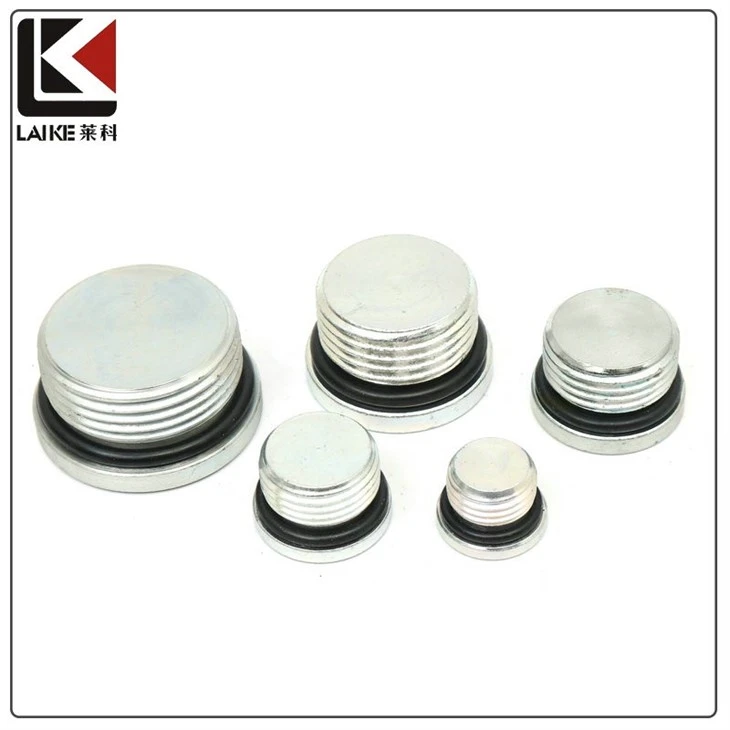
Hydraulic Plugs and Caps are used to seal off openings in hydraulic systems. They can prevent leaks when the system is not in use or when a particular port needs to be closed. Make sure these plugs and caps are properly installed and in good condition.
Conclusion
Checking if an NPT Adapter is leaking is an important part of maintaining a plumbing or hydraulic system. By using methods like visual inspection, pressure testing, ultrasonic leak detection, and checking the installation, you can quickly identify and fix any leaks. Regular checks can save you time, money, and prevent safety hazards.
If you're in the market for high - quality NPT Adapters or have any questions about leak detection and prevention, don't hesitate to reach out. We're here to help you find the right solutions for your needs. Whether you're a small - scale DIY enthusiast or a large - scale industrial user, we have the products and expertise to support you.
References
- "Plumbing Handbook" - This comprehensive handbook provides in - depth information on different types of pipe fittings, including NPT Adapters, and how to maintain them.
- "Hydraulic System Maintenance Guide" - A great resource for understanding the ins and outs of hydraulic systems, including leak detection and prevention.