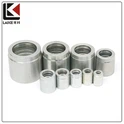
Hey there! As a supplier of JIC hose fittings, I often get asked about how to check the tightness of these fittings. It's a crucial step to ensure the proper functioning and safety of hydraulic systems. In this blog, I'll share some practical tips on how to do just that.
First off, let's understand what JIC hose fittings are. JIC, which stands for Joint Industry Council, refers to a type of flare fitting used in hydraulic systems. These fittings are designed to provide a leak - free connection between hoses and other components. They are widely used in various industries, including automotive, construction, and manufacturing.
Why Checking Tightness is Important
Before we dive into the checking process, it's important to know why tightness matters. A loose JIC hose fitting can lead to several problems. For starters, it can cause hydraulic fluid leaks. Not only is this a waste of fluid, but it can also be a safety hazard. Hydraulic fluid is often under high pressure, and a leak can result in a sudden loss of pressure, which may cause equipment failure. Moreover, leaks can contaminate the surrounding environment and pose a fire risk if the fluid is flammable.
Visual Inspection
The first step in checking the tightness of JIC hose fittings is a visual inspection. Look closely at the fitting and the surrounding area. Check for any signs of fluid leakage, such as wet spots, drips, or stains. If you see any, it's a clear indication that the fitting may not be tight enough.
Also, inspect the fitting for any visible damage, like cracks or dents. A damaged fitting may not seal properly, even if it's tightened. Pay attention to the flare on the hose end and the mating surface of the fitting. These surfaces should be smooth and free of any debris or burrs. If there are any irregularities, it can prevent a proper seal.
Using a Torque Wrench
One of the most accurate ways to check if a JIC hose fitting is tightened correctly is by using a torque wrench. A torque wrench allows you to apply a specific amount of force to the fitting, ensuring that it's tightened to the manufacturer's recommended specifications.
First, you need to know the correct torque value for your specific JIC hose fitting. This information can usually be found in the product manual or on the manufacturer's website. Once you have the torque value, set your torque wrench accordingly.
Place the torque wrench on the fitting and slowly turn it until you reach the set torque value. If the fitting starts to turn easily before reaching the recommended torque, it's likely loose. On the other hand, if you can't turn the fitting at all or if it requires excessive force to turn, it may be over - tightened. Over - tightening can damage the fitting and the hose, so it's important to get it just right.
Pressure Testing
Another effective method to check the tightness of JIC hose fittings is pressure testing. This involves pressurizing the hydraulic system and monitoring for any pressure drops.
To perform a pressure test, you'll need a pressure gauge and a way to pressurize the system. Start by closing all the valves in the system except for the one connected to the pressure gauge. Then, gradually increase the pressure in the system to the normal operating pressure.
Keep an eye on the pressure gauge for a few minutes. If the pressure drops significantly, it indicates a leak in the system. Check all the JIC hose fittings carefully to identify the source of the leak. You may need to tighten the fittings further or replace any damaged components.
Listening for Leaks
Sometimes, you can detect a leak in a JIC hose fitting just by listening. When the hydraulic system is operating, a leak can produce a hissing or whistling sound. This is especially true if the leak is due to a small gap in the fitting.
Walk around the system and listen carefully for any unusual sounds. If you hear a hissing sound, follow the sound to locate the source of the leak. It's important to note that this method is not as accurate as the others, but it can be a quick way to identify potential problems.
Using Leak Detection Sprays
Leak detection sprays are another useful tool for checking the tightness of JIC hose fittings. These sprays contain a special formula that forms bubbles when it comes into contact with a leak.
To use a leak detection spray, simply spray it on the fitting and the surrounding area. If there is a leak, bubbles will form at the site of the leak. This makes it easy to identify even small leaks that may not be visible to the naked eye.
Common Mistakes to Avoid
When checking the tightness of JIC hose fittings, there are a few common mistakes that you should avoid. One of the biggest mistakes is over - tightening the fittings. As mentioned earlier, over - tightening can damage the fitting and the hose, leading to leaks in the long run. Always follow the manufacturer's recommended torque values.
Another mistake is not cleaning the fitting and the hose end properly before installation. Debris and dirt can prevent a proper seal, so make sure to clean these components thoroughly.
Our Product Range
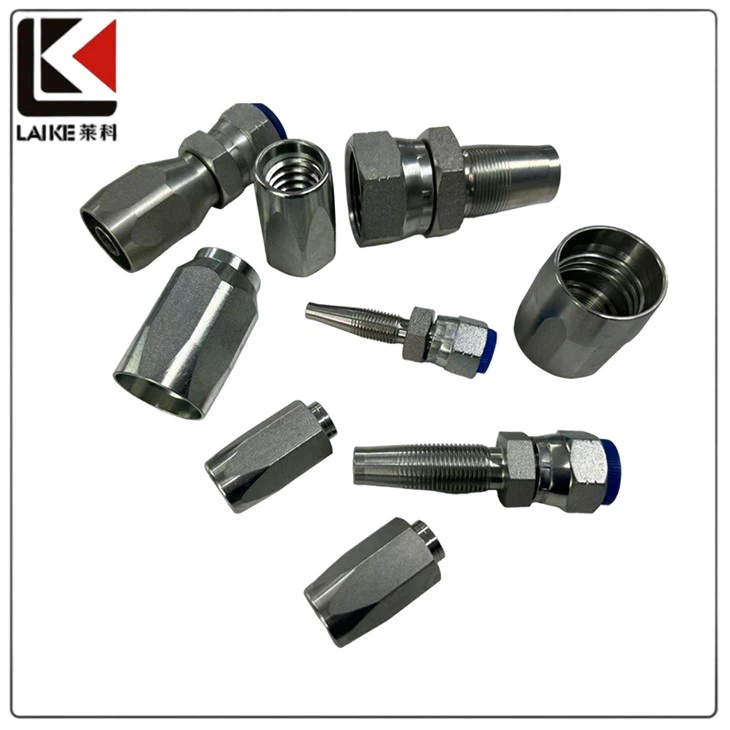
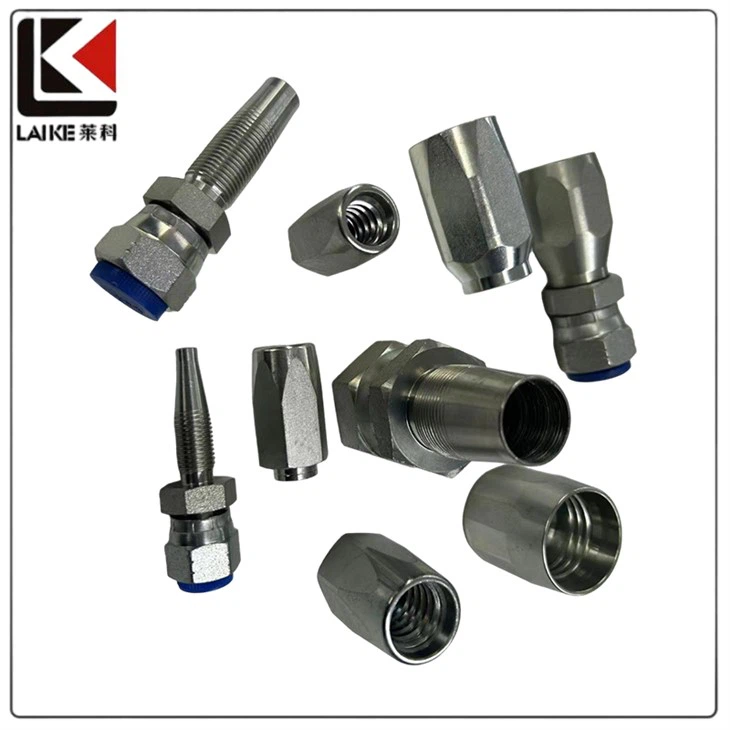
At our company, we offer a wide range of high - quality JIC hose fittings. We also have Reusable Hose Fitting that can be easily installed and removed, which is great for maintenance and repairs. Our Socketless Hose Fitting provides a compact and reliable solution for various applications. And if you're looking for something more specific for hydraulic systems, our Reusable Hydraulic Fittings are a perfect choice.
Conclusion
Checking the tightness of JIC hose fittings is an essential part of maintaining a safe and efficient hydraulic system. By following the methods outlined in this blog, you can ensure that your fittings are properly tightened and functioning correctly. If you have any questions about our JIC hose fittings or need further advice on installation and maintenance, don't hesitate to reach out. We're here to help you make the right choice for your hydraulic needs. Contact us today to start a procurement discussion and find the best solutions for your projects.
References
- Hydraulic Fitting Handbook, various industry publications
- Manufacturer's product manuals for JIC hose fittings