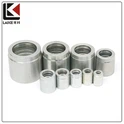
Hey there! As a supplier of BSPT Adapters, I often get asked about the differences between BSPT and other thread standards. In this blog, I'm gonna break it down for you in a way that's easy to understand.
What's BSPT Anyway?
First off, let's talk about BSPT. BSPT stands for British Standard Pipe Tapered. It's a thread standard that's been around for a long time, and it's widely used in plumbing and hydraulic systems, especially in the UK and other countries with historical ties to the British Empire.
The main feature of BSPT threads is that they're tapered. That means the diameter of the thread gets smaller as you move along the length of the pipe or fitting. This tapering creates a tight seal when the threads are screwed together, which is great for preventing leaks in fluid systems.
Comparing BSPT with Other Thread Standards
BSPT vs. BSPP
BSPP stands for British Standard Pipe Parallel. Unlike BSPT, BSPP threads are parallel, meaning the diameter of the thread stays the same along the length of the pipe or fitting. While BSPT relies on the taper to create a seal, BSPP usually needs an additional sealing method, like a gasket or an O - ring.
If you're working on a system where you need a quick - and - easy connection that can be disassembled and reassembled often, BSPP might be a good choice. But if you need a leak - proof seal without any extra sealing components, BSPT is the way to go.
BSPT vs. NPT
NPT, or National Pipe Tapered, is an American thread standard. Like BSPT, NPT threads are tapered, but there are some key differences. The thread angle of BSPT is 55 degrees, while NPT has a 60 - degree thread angle. This difference in angle can cause problems if you try to mix BSPT and NPT fittings.


Another difference is in the pitch (the distance between each thread). BSPT and NPT have different pitch values, which means they won't interlock properly. So, if you're using BSPT in your system, don't even think about swapping in an NPT Adapters without the right adapters in between.
BSPT vs. Metric Threads
Metric threads are used all over the world, especially in countries that follow the metric system. Metric threads are also parallel in most cases, similar to BSPP. The main difference lies in the measurement system. BSPT uses imperial units (inches), while metric threads use millimeters.
When it comes to choosing between BSPT and metric threads, it often depends on the existing infrastructure. If you're working on a system that's already using BSPT, it's usually easier to stick with it. But if you're starting a new project and want to use the metric system for simplicity, metric threads might be a better option.
Real - World Applications and Why It Matters
In the real world, using the right thread standard is crucial. Imagine you're working on a hydraulic system in a factory. If you use the wrong thread, it can cause leaks, which not only waste fluid but can also lead to equipment damage and safety hazards.
For example, in the UK, many older plumbing systems use BSPT. If you're a plumber working on these systems, understanding BSPT and its differences from other standards is essential. You need to be able to identify the correct fittings and make sure they're compatible to ensure a proper installation.
On the other hand, in the United States, NPT is more commonly used in plumbing and hydraulic applications. So, if you're dealing with international suppliers or working on cross - border projects, knowing the differences between BSPT and NPT is a must.
Choosing the Right BSPT Adapter
As a BSPT Adapter supplier, I know how important it is to choose the right adapter for your needs. When you're looking for a BSPT adapter, there are a few things to consider.
First, make sure the adapter is made from high - quality materials. Depending on the application, you might need an adapter that can withstand high pressures, corrosive fluids, or extreme temperatures.
Second, check the thread specification. Make sure the adapter has the right thread size, pitch, and angle to be compatible with your existing system. You don't want to end up with an adapter that doesn't fit properly.
If you're looking for a BRITISH Adapter, we've got a wide range of options to choose from. Our adapters are designed to meet the highest quality standards and ensure a reliable connection.
Adaptability and Compatibility
In some cases, you might need to connect a BSPT fitting to a component with a different thread standard. That's where adapters come in handy. For example, if you have a BSPT pipe and need to connect it to an American Adapter, you can use a BSPT - to - NPT adapter.
However, it's important to note that using an adapter can sometimes introduce additional points of failure. So, it's always best to use the same thread standard throughout your system if possible.
Conclusion and Call to Action
In conclusion, understanding the differences between BSPT and other thread standards is essential for anyone working in the plumbing, hydraulic, or manufacturing industries. Whether you're a professional installer, a maintenance technician, or a DIY enthusiast, knowing which thread standard to use can save you a lot of time, money, and headaches.
If you're in the market for BSPT Adapters or need more information about thread standards, don't hesitate to reach out. We're here to help you find the right products for your needs. Whether you have questions about compatibility, sizing, or installation, our team of experts is ready to assist you. So, start your procurement journey with us today and let's get your project up and running smoothly!
References
- "Handbook of Thread Standards", Various Authors
- "Pipe Fitting Handbook", Industry Experts