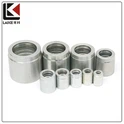
Cross hydraulic fittings are super handy in the world of hydraulics. As a hydraulic fitting supplier, I've seen firsthand how these little components play a big role in all sorts of applications. Let's dive into what these applications are and why cross hydraulic fittings are so important.
Industrial Machinery
In industrial settings, cross hydraulic fittings are used in a wide range of machinery. For example, in manufacturing plants, they're used in hydraulic presses. These presses need a reliable hydraulic system to generate the high pressure required for tasks like stamping, forging, and molding. Cross hydraulic fittings connect different parts of the hydraulic circuit, such as pumps, cylinders, and valves. They ensure a tight seal, preventing any fluid leakage that could lead to a loss of pressure and reduced efficiency.
Another example is in conveyor systems. Hydraulic power is often used to drive the conveyor belts, and cross hydraulic fittings are essential for connecting the hydraulic motors and control valves. This allows for smooth and precise operation of the conveyor, ensuring that products are moved efficiently through the production line.
Construction Equipment
Construction sites are filled with heavy machinery that relies on hydraulics, and cross hydraulic fittings are everywhere. Take excavators, for instance. These machines use hydraulic cylinders to power the boom, arm, and bucket. Cross hydraulic fittings connect the hoses that supply hydraulic fluid to these cylinders, enabling the operator to control the movement of the machine with precision.
Bulldozers and loaders also use cross hydraulic fittings in their steering and lifting systems. The ability to connect different hydraulic components securely is crucial for the safe and efficient operation of these large pieces of equipment. Without reliable fittings, there could be leaks, which not only waste hydraulic fluid but also pose a safety hazard.
Agricultural Machinery
Farmers rely on a variety of hydraulic-powered equipment, and cross hydraulic fittings are key to their functionality. Tractors, for example, use hydraulics for tasks like lifting and lowering implements such as plows, harrows, and seeders. Cross hydraulic fittings connect the hydraulic lines that control these functions, allowing the farmer to adjust the position and depth of the implements as needed.
Combine harvesters also use hydraulic systems for functions like threshing and separating grain. The cross hydraulic fittings ensure that the hydraulic fluid is delivered to the right places at the right time, keeping the machine running smoothly during the busy harvest season.

Automotive Industry
In the automotive world, cross hydraulic fittings have several important applications. One of the most common is in power steering systems. These systems use hydraulic pressure to assist the driver in turning the steering wheel. Cross hydraulic fittings connect the hoses that carry the hydraulic fluid between the power steering pump, the steering gear, and the reservoir. A good connection is essential for smooth and responsive steering.
Some high-performance cars also use hydraulic systems for suspension and braking. Cross hydraulic fittings play a crucial role in ensuring that these systems work properly, providing the driver with the control and safety they need on the road.
Marine Industry
On boats and ships, cross hydraulic fittings are used in various hydraulic systems. For example, they're used in steering systems to allow the captain to control the direction of the vessel. Hydraulic winches, which are used for tasks like anchoring and lifting heavy loads, also rely on cross hydraulic fittings to connect the hoses and components.
In addition, some boats use hydraulic systems for stabilizing the vessel in rough seas. Cross hydraulic fittings ensure that these systems are reliable and efficient, helping to keep the boat safe and comfortable for passengers.
Types of Cross Hydraulic Fittings
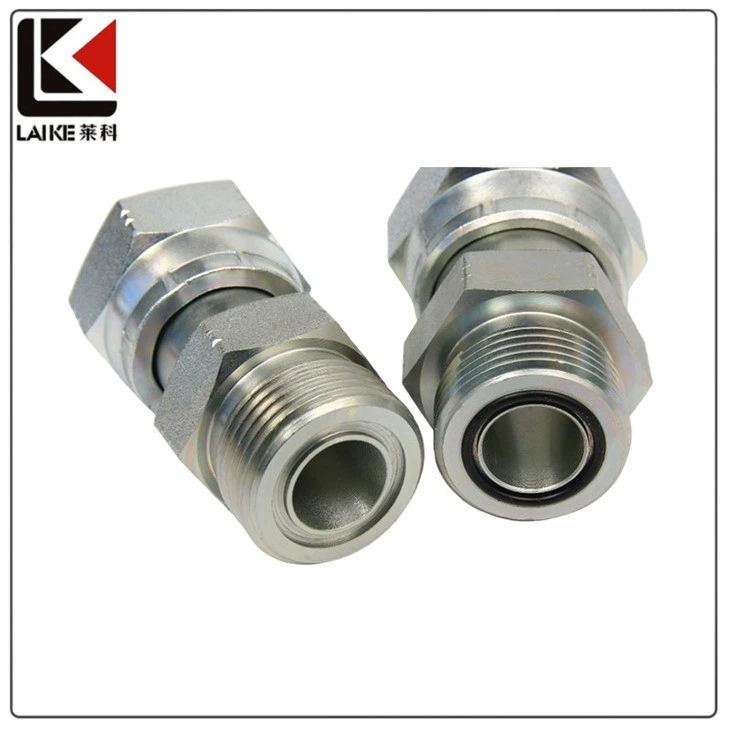
There are different types of cross hydraulic fittings that are suitable for different applications. One type is the Adapter Hydraulic. These adapters are used to connect different types of hydraulic components, such as hoses and pipes with different sizes or thread types. They're very versatile and can be used in a wide range of hydraulic systems.
Another type is the Swivel Hose Fitting. These fittings allow the hose to rotate freely, which is useful in applications where the hose needs to move or bend without kinking. This is common in machinery where the hydraulic components need to move relative to each other.
The JIC Adaptor is also a popular type of cross hydraulic fitting. JIC stands for Joint Industry Council, and these adaptors are designed to meet specific industry standards. They're known for their high-quality and reliable performance, making them a good choice for demanding hydraulic applications.
Why Choose Our Cross Hydraulic Fittings
As a hydraulic fitting supplier, we take pride in offering high-quality cross hydraulic fittings. Our fittings are made from top-grade materials, which ensures their durability and resistance to wear and tear. We also have a wide range of sizes and types available, so you can find the perfect fitting for your specific application.
Our team of experts is always ready to help you with any questions you may have. Whether you need advice on which fitting to choose or assistance with installation, we're here to support you. We understand the importance of having reliable hydraulic fittings in your system, and we're committed to providing you with the best products and service.
Contact Us for Your Hydraulic Fitting Needs
If you're in the market for cross hydraulic fittings or any other hydraulic components, don't hesitate to get in touch with us. We're here to help you find the right products for your needs and ensure that your hydraulic system runs smoothly. Whether you're a small business or a large industrial operation, we have the products and expertise to meet your requirements. So, reach out to us today and let's start a conversation about your hydraulic fitting needs.
References
- "Hydraulic Systems Handbook" by John F. Caruthers
- "Industrial Hydraulics Manual" by Eaton Corporation
- "Automotive Hydraulic Systems" by Robert Bosch GmbH