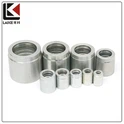
Markings on hydraulic fittings serve multiple crucial purposes in the hydraulic system industry. As a seasoned hydraulic fitting supplier, I've witnessed firsthand the significance of these markings in ensuring the proper functioning, safety, and efficiency of hydraulic systems. In this blog post, I'll delve into the various reasons for these markings and how they benefit both suppliers and end - users.
Identification of Fitting Type
One of the primary functions of markings on hydraulic fittings is to identify the type of fitting. There are numerous types of hydraulic fittings available in the market, such as straight fittings, elbow fittings, tee fittings, and cross fittings. Each type has its own unique application within a hydraulic system. For example, straight fittings are used to connect two pipes in a straight line, while elbow fittings are used to change the direction of the fluid flow.
The markings clearly indicate the fitting type, allowing installers and maintenance personnel to quickly select the right fitting for the job. At our company, we offer a wide range of fitting types, including FJX Hydraulic Fittings. These fittings are marked with specific codes that denote their type, ensuring that our customers can easily identify and use them in their hydraulic systems.
Specification of Size and Thread
Size and thread specifications are critical in hydraulic fittings. The markings on the fittings provide information about the outer diameter, inner diameter, and thread pitch. This is essential because a mismatch in size or thread can lead to leaks, reduced system efficiency, and even system failure.
For instance, if a fitting with the wrong thread pitch is used, it may not seal properly, causing fluid to leak out. This not only wastes hydraulic fluid but also poses a safety hazard. Our DKO Hydraulic Fittings are marked with detailed size and thread information. This allows our customers to make accurate selections and ensures a proper fit in their hydraulic systems.


Material and Pressure Rating Indication
The material used in hydraulic fittings affects their performance and durability. Different materials are suitable for different applications, depending on factors such as the type of hydraulic fluid, operating temperature, and pressure. Markings on the fittings indicate the material from which they are made, such as stainless steel, brass, or carbon steel.
In addition to material, the pressure rating is another crucial piece of information provided by the markings. Hydraulic systems operate at various pressures, and using a fitting with an inappropriate pressure rating can be extremely dangerous. For example, if a fitting rated for low - pressure applications is used in a high - pressure system, it may burst, causing injury to personnel and damage to equipment.
We ensure that all our fittings, including those with Plugs for BSP Thread, are clearly marked with their material and pressure ratings. This helps our customers to choose the right fittings for their specific system requirements and maintain the safety and efficiency of their hydraulic systems.
Manufacturer and Product Traceability
Markings on hydraulic fittings also serve as a means of product traceability. They often include information about the manufacturer, such as the company name or logo, and a part number. This is important for several reasons.
Firstly, it allows end - users to contact the manufacturer if they have any questions or need technical support. Secondly, in case of a product defect or failure, the markings enable the manufacturer to trace the product back to its production batch. This helps in identifying the root cause of the problem and taking appropriate corrective actions.
As a supplier, we take pride in the quality of our products. Our markings on hydraulic fittings are clear and detailed, providing full traceability. This gives our customers confidence in the products they purchase from us, knowing that they can rely on our support and quality control measures.
Compatibility with Hydraulic Fluids
Hydraulic fluids come in different types, such as mineral oil - based, synthetic, and water - based fluids. Not all fittings are compatible with all types of hydraulic fluids. The markings on the fittings can indicate their compatibility with specific hydraulic fluids.
Using a fitting that is not compatible with the hydraulic fluid can lead to chemical reactions, corrosion, and degradation of the fitting. This can ultimately result in system failure. Our markings on hydraulic fittings clearly state the compatible hydraulic fluids, ensuring that our customers can use the fittings safely and effectively in their hydraulic systems.
Installation and Assembly Guidance
Some markings on hydraulic fittings provide guidance on installation and assembly. For example, they may indicate the proper torque value for tightening the fitting. Over - tightening or under - tightening a fitting can cause problems such as leaks or damage to the fitting.
By following the installation and assembly guidance provided by the markings, installers can ensure that the fittings are installed correctly. This helps to maintain the integrity of the hydraulic system and reduces the risk of premature failure. At our company, we ensure that our fittings are marked with clear installation instructions, making it easier for our customers to install and use our products.
Industry Standards Compliance
Hydraulic fittings are subject to various industry standards and regulations. The markings on the fittings can indicate compliance with these standards. For example, they may show that the fitting meets ISO, SAE, or DIN standards.
Compliance with industry standards ensures that the fittings are of high quality and meet the requirements for safe and efficient operation in hydraulic systems. As a supplier, we ensure that all our hydraulic fittings comply with relevant industry standards, and our markings clearly indicate this compliance. This gives our customers peace of mind, knowing that they are using products that meet the highest quality and safety standards.
Conclusion
In conclusion, the markings on hydraulic fittings are of utmost importance. They provide essential information about fitting type, size, thread, material, pressure rating, compatibility, installation guidance, and industry standards compliance. As a hydraulic fitting supplier, we understand the significance of these markings and ensure that all our products are clearly and accurately marked.
If you are in the market for high - quality hydraulic fittings, we invite you to explore our product range. Our FJX Hydraulic Fittings, DKO Hydraulic Fittings, and Plugs for BSP Thread are all marked with detailed information to meet your specific needs. We are committed to providing you with the best products and services. Contact us today to discuss your hydraulic fitting requirements and start a fruitful business relationship.
References
- ISO Standards for Hydraulic Fittings
- SAE Handbook on Hydraulic Systems
- DIN Standards for Fluid Power Components