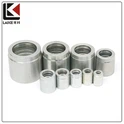
As a seasoned supplier of Hose Assembly, I've witnessed firsthand the critical role that hose covers play in the overall performance and longevity of hose assemblies. A hose cover serves multiple purposes, including protecting the inner hose from abrasion, chemicals, extreme temperatures, and physical damage. In this blog post, I'll delve into the various materials used for hose covers in hose assemblies, exploring their properties, advantages, and typical applications.
Rubber
Rubber is one of the most commonly used materials for hose covers due to its excellent flexibility, durability, and resistance to abrasion and chemicals. Natural rubber (NR) is known for its high elasticity and good tear resistance, making it suitable for applications where flexibility is crucial, such as in automotive and industrial hoses. Synthetic rubbers, on the other hand, offer a wider range of properties and are often preferred for more demanding applications.
- Neoprene (CR): Neoprene is a synthetic rubber known for its excellent resistance to oil, ozone, and weathering. It also has good flame resistance, making it suitable for use in applications where fire safety is a concern. Neoprene hose covers are commonly used in automotive, marine, and industrial applications, such as fuel lines, coolant hoses, and hydraulic hoses.
- Nitrile (NBR): Nitrile rubber is highly resistant to oil, fuel, and chemicals, making it an ideal choice for applications in the automotive, aerospace, and chemical industries. It also has good abrasion resistance and flexibility, making it suitable for use in hoses that are subject to frequent bending and movement. Nitrile hose covers are commonly used in fuel injection systems, hydraulic hoses, and oil suction and return lines.
- EPDM (Ethylene Propylene Diene Monomer): EPDM is a synthetic rubber known for its excellent resistance to heat, ozone, and weathering. It also has good electrical insulation properties, making it suitable for use in electrical applications. EPDM hose covers are commonly used in automotive cooling systems, HVAC systems, and outdoor applications where exposure to the elements is a concern.
Thermoplastics
Thermoplastics are another popular choice for hose covers due to their lightweight, flexibility, and ease of processing. Unlike rubber, thermoplastics can be melted and re-molded multiple times, making them more environmentally friendly and cost-effective.
- Polyurethane (PU): Polyurethane is a versatile thermoplastic known for its excellent abrasion resistance, flexibility, and tear strength. It also has good chemical resistance and can withstand a wide range of temperatures, making it suitable for use in a variety of applications. Polyurethane hose covers are commonly used in industrial, automotive, and agricultural applications, such as air hoses, water hoses, and hydraulic hoses.
- Polyvinyl Chloride (PVC): PVC is a widely used thermoplastic known for its low cost, good chemical resistance, and ease of processing. It also has good electrical insulation properties, making it suitable for use in electrical applications. PVC hose covers are commonly used in household, commercial, and industrial applications, such as garden hoses, air hoses, and water hoses.
- Nylon: Nylon is a strong and lightweight thermoplastic known for its excellent abrasion resistance, high tensile strength, and low friction coefficient. It also has good chemical resistance and can withstand a wide range of temperatures, making it suitable for use in a variety of applications. Nylon hose covers are commonly used in automotive, aerospace, and industrial applications, such as fuel lines, brake hoses, and air hoses.
Fabric
Fabric hose covers are often used in applications where flexibility and breathability are important. They are typically made from woven or knitted materials, such as polyester, cotton, or aramid fibers.
- Polyester: Polyester is a synthetic fiber known for its high strength, durability, and resistance to abrasion and chemicals. It also has good dimensional stability, making it suitable for use in applications where precise sizing is required. Polyester fabric hose covers are commonly used in industrial, automotive, and aerospace applications, such as air hoses, hydraulic hoses, and fuel lines.
- Cotton: Cotton is a natural fiber known for its softness, breathability, and comfort. It also has good absorbency, making it suitable for use in applications where moisture management is important. Cotton fabric hose covers are commonly used in household, commercial, and industrial applications, such as garden hoses, air hoses, and water hoses.
- Aramid Fibers (e.g., Kevlar): Aramid fibers are high-strength synthetic fibers known for their excellent resistance to heat, abrasion, and chemicals. They also have good dimensional stability and low weight, making them suitable for use in applications where high performance is required. Aramid fabric hose covers are commonly used in aerospace, military, and industrial applications, such as fire hoses, hydraulic hoses, and fuel lines.
Metal
Metal hose covers are often used in applications where high strength, durability, and resistance to extreme temperatures and pressures are required. They are typically made from materials such as stainless steel, aluminum, or brass.
- Stainless Steel: Stainless steel is a corrosion-resistant metal known for its high strength, durability, and resistance to extreme temperatures and pressures. It also has good aesthetic appeal, making it suitable for use in applications where appearance is important. Stainless steel hose covers are commonly used in industrial, automotive, and aerospace applications, such as exhaust hoses, hydraulic hoses, and fuel lines.
- Aluminum: Aluminum is a lightweight metal known for its high strength-to-weight ratio, corrosion resistance, and good thermal conductivity. It also has good electrical conductivity, making it suitable for use in electrical applications. Aluminum hose covers are commonly used in automotive, aerospace, and industrial applications, such as air hoses, water hoses, and hydraulic hoses.
- Brass: Brass is a copper-zinc alloy known for its high strength, durability, and resistance to corrosion. It also has good machinability and aesthetic appeal, making it suitable for use in applications where appearance and ease of fabrication are important. Brass hose covers are commonly used in plumbing, electrical, and industrial applications, such as water hoses, gas hoses, and hydraulic hoses.
Choosing the Right Material
When choosing a material for a hose cover, it's important to consider the specific requirements of the application, including the operating environment, temperature range, pressure, chemical exposure, and mechanical stress. Other factors to consider include the cost, availability, and ease of installation and maintenance.
In general, rubber and thermoplastics are the most commonly used materials for hose covers due to their excellent flexibility, durability, and resistance to abrasion and chemicals. Fabric and metal hose covers are often used in applications where high strength, durability, and resistance to extreme temperatures and pressures are required.
As a Hose Assembly supplier, we offer a wide range of hose covers made from different materials to meet the diverse needs of our customers. Whether you need a hose cover for a specific application or are looking for a custom solution, our team of experts can help you choose the right material and design a hose assembly that meets your requirements.
Conclusion
In conclusion, the choice of material for a hose cover in a hose assembly is crucial to ensuring its performance, durability, and safety. By understanding the properties and advantages of different materials, you can make an informed decision and choose the right material for your specific application. As a Hose Assembly supplier, we are committed to providing our customers with high-quality hose assemblies that are designed to meet their needs and exceed their expectations. If you have any questions or need further information about our products or services, please don't hesitate to contact us. We look forward to working with you!


References
- "Handbook of Elastomers" by Jacob K. Ishai
- "Thermoplastics: Properties, Processing, and Applications" by James F. Carley
- "Textile Materials and Their Use in Industry" by John S. Preston
- "Metals Handbook: Properties and Selection: Nonferrous Alloys and Pure Metals" by ASM International
If you're interested in purchasing high-quality Hydraulic Hose Assembly or Pneumatic Quick Coupling, or have any other requirements related to hose assemblies, we're here to assist you. Contact us today to start a procurement discussion and find the best solutions for your needs.