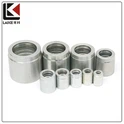
When it comes to hydraulic systems, JIC (Joint Industry Council) hose fittings play a crucial role. As a reputable JIC hose fittings supplier, I understand the significance of safety in using these fittings. In this blog post, I will delve into the key safety considerations that users should keep in mind when working with JIC hose fittings.
Compatibility and Installation
One of the primary safety concerns when using JIC hose fittings is ensuring proper compatibility and correct installation. JIC fittings are designed to meet specific standards, and using incompatible components can lead to leaks, pressure failures, and potential safety hazards.
Before installing JIC hose fittings, it is essential to verify that the fittings, hoses, and other components are compatible in terms of size, material, and pressure ratings. For example, using a fitting with a lower pressure rating than the system's operating pressure can result in catastrophic failure. Additionally, the hose material must be suitable for the fluid being transported, as certain chemicals or high temperatures can degrade the hose and fittings over time.
Proper installation is equally important. Incorrect installation can cause leaks, which not only waste fluid but also pose a safety risk. When installing JIC fittings, make sure to follow the manufacturer's instructions carefully. This includes using the correct torque specifications to ensure a tight seal without over-tightening, which can damage the fittings. It is also crucial to inspect the fittings and hoses for any signs of damage or wear before installation.
Pressure and Temperature Ratings
Understanding the pressure and temperature ratings of JIC hose fittings is vital for safe operation. Each fitting is designed to withstand a specific range of pressures and temperatures, and exceeding these limits can lead to failure.
The pressure rating of a JIC fitting indicates the maximum pressure it can safely handle. It is important to select fittings with a pressure rating that exceeds the maximum operating pressure of the hydraulic system. This provides a safety margin and helps prevent failures due to pressure spikes or fluctuations.
Similarly, the temperature rating of a fitting is determined by the materials used in its construction. Different materials have different temperature limits, and using a fitting outside of its recommended temperature range can cause the material to degrade, leading to leaks or other safety issues. For example, rubber hoses may become brittle at low temperatures or soften at high temperatures, compromising their integrity.
Regularly monitoring the pressure and temperature of the hydraulic system is essential to ensure that the JIC hose fittings are operating within their specified limits. Installing pressure gauges and temperature sensors can help detect any abnormal conditions early, allowing for timely maintenance or replacement of the fittings.
Inspection and Maintenance
Regular inspection and maintenance are key to ensuring the safety and reliability of JIC hose fittings. Over time, fittings can wear out, develop leaks, or become damaged due to normal use or external factors.
Inspecting JIC hose fittings should be a routine part of any maintenance program. This includes checking for signs of leaks, such as fluid droplets or wet spots around the fittings. Leaks can indicate a loose connection, damaged seal, or worn fitting, and should be addressed immediately to prevent further damage or safety hazards.
In addition to checking for leaks, it is also important to inspect the fittings for any signs of wear or damage, such as cracks, corrosion, or deformation. Worn or damaged fittings should be replaced promptly to avoid potential failures.
Proper maintenance of JIC hose fittings also includes cleaning and lubricating the fittings as recommended by the manufacturer. This helps prevent the buildup of dirt, debris, or corrosion, which can affect the performance and longevity of the fittings.
Safety Accessories
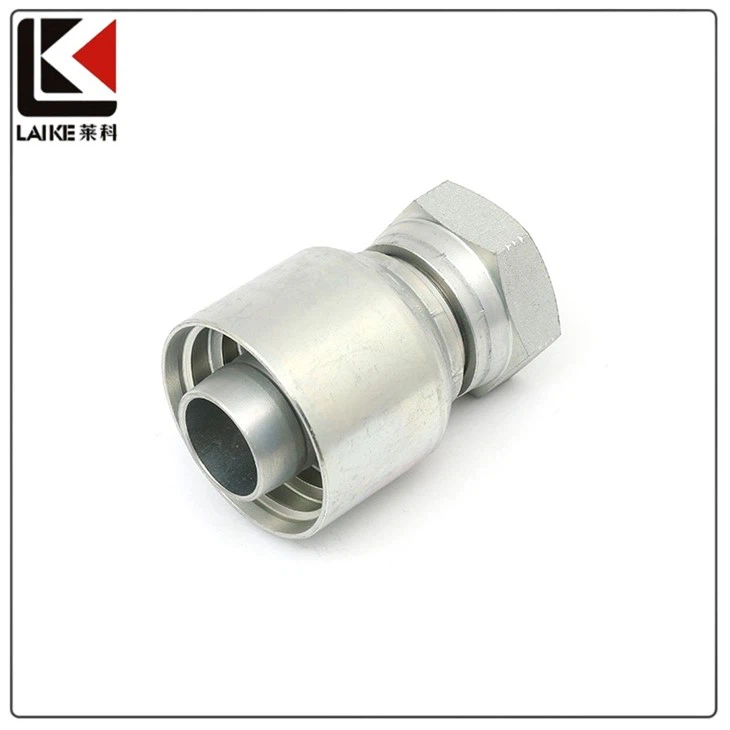
Using appropriate safety accessories can enhance the safety of JIC hose fittings. For example, Hydraulic Hose Accessories such as hose clamps and guards can help prevent hoses from coming loose or being damaged by external factors. Hose clamps ensure a secure connection between the hose and the fitting, while guards protect the hoses from abrasion, impact, or heat.
Another important safety accessory is the Skive Ferrule. Skive ferrules are designed to provide a better grip on the hose, reducing the risk of the hose slipping off the fitting. This is especially important in high-pressure applications where a loose hose can be extremely dangerous.
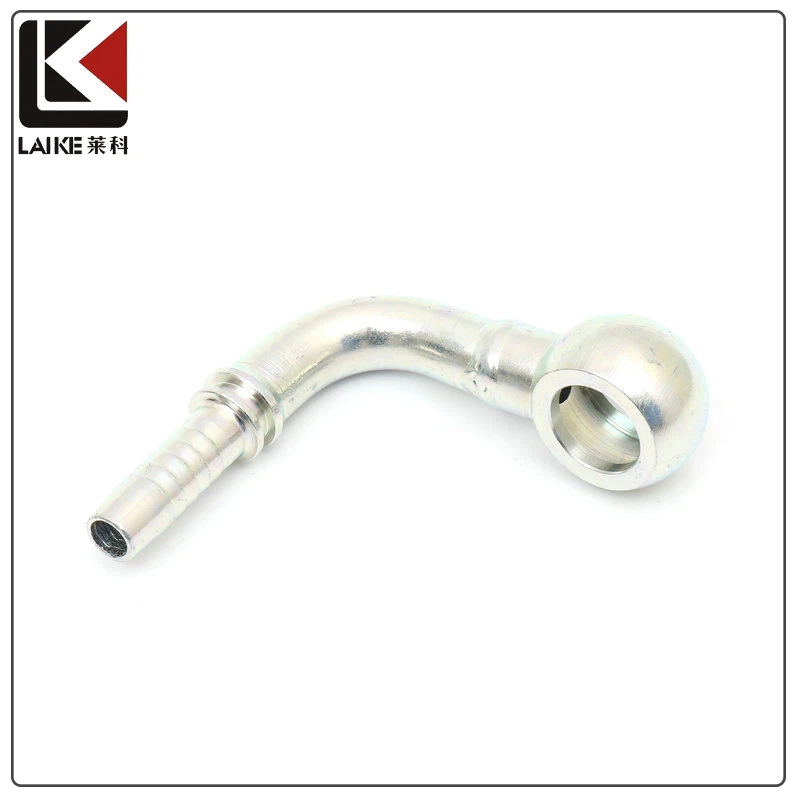
BANJO Hydraulic Fittings are also a popular choice for many hydraulic systems. These fittings are known for their reliability and ease of installation. They can be used in a variety of applications, including agriculture, construction, and industrial equipment.
Training and Education
Proper training and education are essential for anyone working with JIC hose fittings. Operators and maintenance personnel should be familiar with the safety considerations and best practices for using these fittings. This includes understanding the installation process, pressure and temperature ratings, inspection and maintenance procedures, and the use of safety accessories.
Training programs should be provided by qualified instructors and should include both theoretical and practical components. Hands-on training allows operators to gain real-world experience in working with JIC hose fittings and helps them develop the skills needed to perform their jobs safely and effectively.
In addition to initial training, ongoing education and refresher courses should be provided to keep operators up-to-date on the latest safety standards and best practices. This helps ensure that they are aware of any changes or advancements in the industry and can apply this knowledge to their work.
Conclusion
In conclusion, safety is of utmost importance when using JIC hose fittings. By considering factors such as compatibility and installation, pressure and temperature ratings, inspection and maintenance, safety accessories, and training and education, users can minimize the risk of accidents and ensure the reliable operation of their hydraulic systems.
As a JIC hose fittings supplier, I am committed to providing high-quality products and supporting our customers in ensuring the safety of their hydraulic systems. If you have any questions or need further information about JIC hose fittings or safety considerations, please do not hesitate to contact us. We are here to help you make the right choices for your specific application and ensure the safe and efficient operation of your equipment.
References
- Hydraulic Institute. (20XX). Standards for Hydraulic Systems.
- Manufacturer's literature on JIC hose fittings.